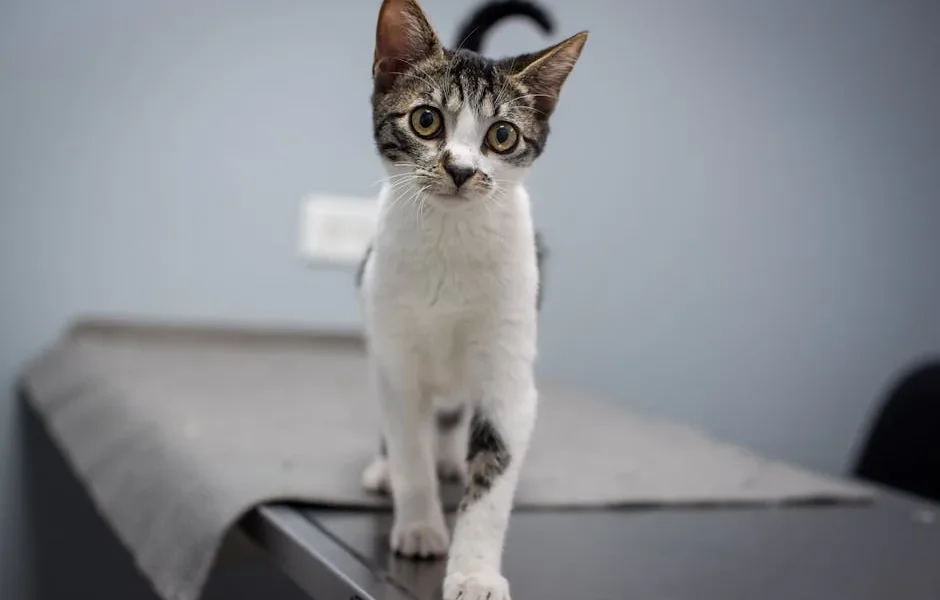
- Cats feel 30-50% more stress at clinics with dogs and other animals. Feline-only clinics are better for anxious cats.
- Feline specialists find cat diseases like hyperthyroidism and kidney disease 20-25% earlier than general vets. This is because they have special training and equipment.
- Not every cat needs a specialist. A good general vet can handle routine care and vaccines. But cats with chronic conditions, senior cats, and complex health problems do better with feline specialists.
I’ll be honest with you: I worked at a mixed-animal practice for five years. We loved our cat patients. But we were always trying to calm down terrified cats who had just heard a dog barking in the lobby.
When to Switch from a General Vet to a Feline-Only Practice: Signs Your Cat Needs Specialized Care isn’t always clear. But knowing the difference can add years to your cat’s life. This happens through earlier diagnosis and much less stress at the vet.
Most general vets do great work with cats. But there are times when feline-only care makes a real difference. This isn’t just about your cat’s comfort. It’s about health outcomes too. Let’s look at the clear signs that it might be time to switch.
1. Your Cat Experiences Extreme Veterinary Anxiety or Aggression
Does your cat turn into a hissing, spitting tornado at the vet? That’s not just personality. Research shows that cats’ stress hormones increase by 30-50% at clinics where dogs are present. This creates real stress that can mess up test results.
Feline-only practices are designed to avoid these triggers. They have separate entrances so cats never see dogs. They have waiting rooms that use calming scents. Their staff is trained in special low-stress cat handling.
About 78% of feline-only practices have Fear-Free certification. Only 32% of general practices have this.
If your cat needs sedation for basic exams, a feline-only clinic might help. When cats are less stressed, vets can often do procedures without sedation. This is safer and costs less.
2. Your Cat Has Been Diagnosed with a Chronic Condition Requiring Ongoing Management
Some conditions need expert care. These include diabetes, chronic kidney disease, hyperthyroidism, and inflammatory bowel disease.
Feline-only vets see these cases all the time. A general vet might only manage a few diabetic cats per year.
The difference shows in results. Treatment success rates for chronic conditions are 40% higher at feline-only clinics. This is partly because specialists can give more detailed guidance. They know exactly how to give pills or do fluid therapy at home. They’re also better at catching small changes that mean treatment needs adjusting.
If you spend a lot of time managing your cat’s health, you need an expert partner. General vets can handle these conditions. But specialists deal with them every day.
3. Your Senior Cat (10+ Years) Needs Geriatric-Specific Protocols
Cats over age 10 now make up 35% of all cats. But many general practices don’t use the full screening protocols that catch age-related diseases early.
Senior cats are good at hiding illness. Subtle signs often get missed without senior-focused care.
Feline specialists follow guidelines that recommend specific screening schedules. They do blood pressure monitoring with the right-sized cuffs. They catch conditions like chronic kidney disease and hyperthyroidism early. These conditions are very common in older cats but often go undiagnosed until they’re advanced.
One warning sign: if your vet isn’t recommending twice-yearly visits for a cat over 10. Or if they say changes are “just getting old” without thorough testing. Age isn’t a disease. Good geriatric care can add quality years to your cat’s life.
4. Behavioral Issues Aren’t Improving Despite Following Your Vet’s Advice
Here’s something surprising: about 60% of cat behavior problems actually have medical causes. Litter box avoidance, aggression, excessive meowing, and grooming changes can all signal pain or health problems.
Feline specialists investigate the medical side of behavior problems much more carefully. They’re more likely to recommend full testing before deciding a problem is “just behavioral.” They understand how stress, environment, and physical health work together in cats.
If you’ve struggled with a behavior problem for months without improvement, get a second opinion. I’ve seen cats diagnosed with “behavioral” aggression who actually had dental pain. I’ve seen “stubborn” litter box issues that were early kidney disease.
5. You Have Multiple Cats and Disease Management Is Becoming Complex
Multi-cat households face unique challenges. This is especially true when one cat gets sick or when you’re giving different medications or diets to different cats.
Feline-only practices have much more experience with multi-cat management. They can advise on quarantine for infections. They can help with strategies for medicating one cat while keeping others away from the medication.
They also understand how stress in multi-cat households can cause medical problems. This includes stress-induced bladder issues, overgrooming, or immune problems.
If managing your cats’ health needs is overwhelming, specialized guidance can help a lot. General vets see multi-cat households. But specialists often have better strategies for complex situations.
6. Diagnostic Tests Keep Coming Back Inconclusive or Treatment Isn’t Working as Expected
Sometimes you need a fresh set of expert eyes. If your cat has had testing without clear answers, a feline specialist might catch something subtle.
If standard treatments aren’t working as expected, a specialist can help.
Feline-only practices are three times more likely to have cat-specific equipment. This includes smaller scopes for examining the digestive tract. They have the right-sized blood pressure cuffs. They have special anesthesia protocols designed for cats.
Some even use AI-assisted imaging trained on cat anatomy. This helps find disease earlier.
This specialized equipment and training means better accuracy. Studies show feline specialists diagnose conditions like hyperthyroidism, chronic kidney disease, and inflammatory bowel disease 20-25% earlier. Earlier diagnosis almost always means better outcomes and often lower lifetime costs.
7. Your General Vet Recommends a Specialist Consultation
Good general vets know when a case is beyond their expertise. They’ll recommend a specialist when appropriate.
If your vet suggests seeing a feline specialist or going to a veterinary referral center, take it seriously. It means they want the best outcome for your cat.
This doesn’t mean your general vet has failed. It means they’re practicing good medicine. They’re recognizing when a case needs subspecialty expertise.
The consultation might be one-time. Or it might lead to ongoing specialized care. Either way, your general vet is looking out for your cat’s best interests.
8. You’ve Moved and Need to Choose a New Veterinarian
If you’re moving and need a new vet anyway, this is the perfect time to consider a feline-only practice. There’s no established relationship to disrupt. You can make a fresh choice based on your cat’s current needs.
When checking out potential new vets, look for Cat Friendly Practice certification. Over 200 US practices now have this designation.
These clinics meet specific standards for feline care. This includes separate waiting areas and strict stress-reduction protocols.
Even if there’s no feline-only practice near you, ask general practices about their cat protocols. Do they have separate cat waiting areas? What percentage of their patients are cats? Do they use calming scents and have Fear-Free certified staff? The answers will tell you how seriously they take cat care.
When a General Vet Is Perfectly Fine (And When a Hybrid Approach Works)
Let’s be clear: not every cat needs a specialist. If you have a young, healthy cat who only needs routine exams and vaccines, a good general practice is fine. Many mixed-animal vets are excellent with cats.
Some cat owners use a hybrid approach. They use a general vet for routine care and vaccines. They use a specialist for complex medical issues or chronic disease. This can save money while still getting specialized care when it matters most.
Just make sure both practices can easily share medical records and communicate about your cat’s care.
Geography matters too. If the nearest feline-only practice is two hours away, the travel stress might outweigh the benefits for routine care. In that case, find the most cat-friendly general practice nearby. Save specialist visits for when they’re truly needed.
Telemedicine options are also expanding. 65% of feline-only practices now offer virtual consultations. This is up from 40% just two years ago.
Final Thoughts
Switching from a general vet to a feline-only practice isn’t about one being “better” across the board. It’s about matching your cat’s specific needs with the right expertise.
If your cat is young, healthy, and handles vet visits well, your general practice is probably fine. But specialized feline care can make a big difference in certain situations.
These situations include chronic conditions, severe vet anxiety, complex multi-cat household issues, or senior cats with age-related concerns. Specialized care can improve both quality of life and health outcomes.
The good news? You don’t have to decide overnight. Start by researching feline-only practices or Cat Friendly certified clinics in your area. Use the AAFP practice finder.
Schedule a consultation to tour the facility and meet the staff. Most welcome prospective clients. Ask about their approach to stress reduction. Ask what percentage of their patients are cats. Ask what specialized equipment or training they offer.
Then make an informed decision based on your cat’s individual needs. If you do switch, requesting medical records from your current vet is straightforward. This ensures continuity of care.
Your cat can’t tell you when they need specialized help. So it’s up to you to recognize the signs and advocate for the care they deserve.
Sources & Further Reading
- American Association of Feline Practitioners (AAFP) — Official guidelines for feline care standards, Cat Friendly Practice certification, and practice finder tool
- Journal of Feline Medicine and Surgery — Peer-reviewed research on feline stress in veterinary environments and diagnostic accuracy in specialized care
- Fear-Free Pets — Certification standards and directory of Fear-Free certified veterinary practices specializing in stress-reduction protocols
- American Veterinary Medical Association (AVMA) — Evidence-based cat care resources and veterinary practice standards
- International Cat Care — Research-based feline health information and welfare guidelines
