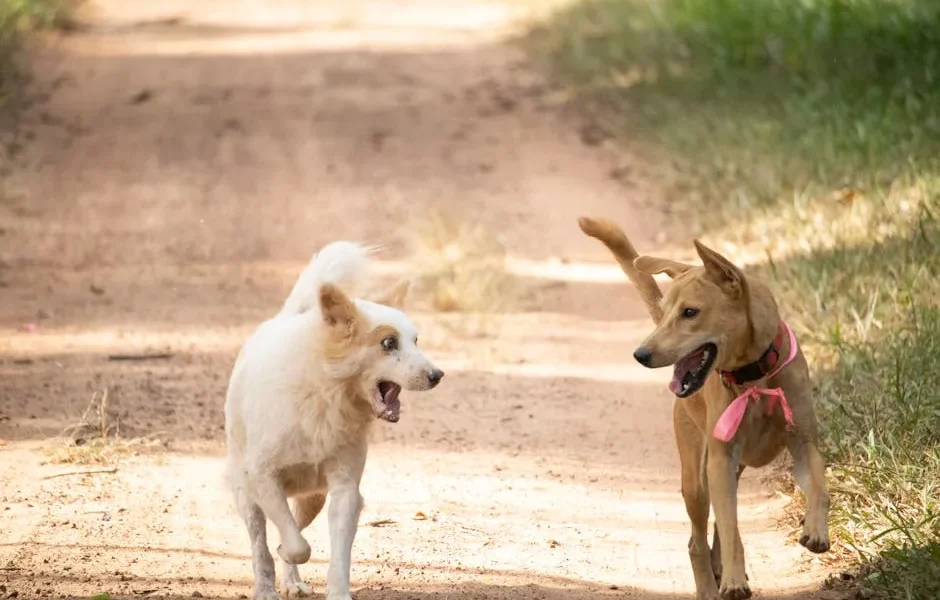
- Sudden fear of strangers can come from medical problems, fear periods, bad experiences, or lack of socialization. Always check for pain or illness first.
- About 72% of dogs show at least one anxiety behavior. Fear of strangers is very common, especially in dogs who missed early socialization.
- Early vet care and proper training can help most fearful dogs. But you need patience and consistency for long-term success.
I’ll never forget the day a client brought in Max. He was a three-year-old Golden Retriever. He’d always been the neighbourhood’s official greeter. Suddenly, he was hiding behind his owner’s legs. He was growling at anyone who came near. His owner was heartbroken and confused. What had changed?
This happens in our clinic more often than you’d think. Understanding why your dog is suddenly afraid of strangers takes detective work. That’s exactly what this vet’s guide will help you do.
Why Would My Previously Friendly Dog Suddenly Start Fearing Strangers?
This is the question most worried owners ask. The answer? It’s rarely simple.
Several things can trigger sudden fear of strangers. Developmental fear periods happen at predictable stages. These occur around 8-11 weeks, 6-14 months, and sometimes around 2 years of age. Even a dog who seemed fearless as a puppy can suddenly become reactive during these times. It’s completely normal, though it’s frustrating.
Then there’s the medical angle. This causes 10-15% of sudden behavior changes. I’ve seen dogs become “aggressive” toward strangers. We then discover they had painful dental disease or early arthritis. When you’re hurting, you’re not welcoming to strangers. Makes sense, right?
Bad experiences also play a huge role. Maybe your dog was accidentally stepped on at the dog park. Perhaps a stranger moved too quickly and startled them. A single bad encounter can create lasting fear. This is especially true if it happened during a sensitive time.
We can’t ignore the COVID puppy phenomenon either. Dogs born during 2020-2021 lockdowns missed crucial socialization. Veterinary behaviorists report a 30-40% increase in stranger fear cases among these dogs. Some of these pandemic puppies are now reaching social maturity. They’re showing delayed socialization problems that weren’t apparent earlier.
How Can I Tell If My Dog’s Fear Is Medical or Behavioral?
This is where things get interesting. This is why a veterinary exam should always be your first step.
Medical causes often show additional clues. Has your dog shown any other changes? Limping? Reluctance to jump? Changes in appetite? Increased sleeping? Accidents in the house? These red flags suggest something physical might be going on.
Conditions like hypothyroidism can cause behavior changes. So can cognitive dysfunction syndrome in senior dogs. Even brain tumors can show up as behavior changes.
Senior dogs deserve special mention here. If your older dog (typically 7+ years) suddenly fears strangers, sensory decline could be the culprit. Dogs with hearing loss or vision problems startle more easily. They can’t detect approaching people early enough. Cognitive dysfunction—essentially doggy dementia—can also cause confusion and fear.
During a behavioral consultation, we do a thorough physical exam. We review your dog’s medical history. We often recommend bloodwork to rule out thyroid issues or other problems. Pain assessment is crucial. We watch how your dog moves. We check for dental disease. We feel joints and muscles for reactions.
If the physical exam checks out clean? That’s when we dive deeper into the behavioral history. We look at exactly when the fear started. We examine what triggers it. We assess how severe the reactions are.
When Should I See a Specialist?
Red flags that need a veterinary behaviorist include: aggression that’s getting worse, fear so severe your dog won’t eat or function normally around any strangers, or situations where someone’s already been bitten or nearly bitten.
If basic behavior modification isn’t working after 4-6 weeks, that’s also a sign you need specialist help.
Is This Fear Permanent, or Can My Dog Recover?
Here’s the good news: most dogs with fear of strangers can improve a lot with proper help.
But I won’t sugarcoat it. “Recover” doesn’t always mean “return to exactly how they were before.”
Success depends on several factors. Dogs who developed fear due to poor socialization generally respond well to careful, gradual exposure programs. Those with trauma-based fear may need more time and patience.
Genetics matter too. Breeds like German Shepherds, Border Collies, and some toy breeds show higher rates of anxiety disorders. They may require ongoing management rather than a complete “cure.”
The treatment approach typically involves several parts working together. Behavior modification through desensitization and counter-conditioning forms the foundation. This means gradually exposing your dog to strangers at a distance where they’re comfortable. Then you reward calm behavior. You very slowly decrease that distance over weeks or months.
Environmental management is equally important. You’re setting up your dog’s world to minimize fear-triggering situations while training is in progress. This might mean asking visitors to ignore your dog initially. It might mean using baby gates to create safe spaces. Or taking different walking routes.
Medication can be incredibly helpful in moderate to severe cases. Anti-anxiety medications don’t “fix” the problem. But they can lower your dog’s baseline anxiety enough that they’re actually capable of learning. Think of it like turning down the volume on their fear response. This way the training can get through.
Recent research into the gut-brain axis has opened new treatment options. Studies from 2024-2025 show links between digestive issues and fear-based behaviors. This is leading some vets to take more holistic approaches. These include probiotics and dietary changes alongside traditional behavioral work.
What Should I Do When My Fearful Dog Encounters Strangers?
Safety first. Always. A fearful dog can become a defensive dog. And defensive dogs may bite.
Never force your dog to interact with strangers. That “flooding” approach—overwhelming them with what they fear—typically backfires spectacularly. It makes the fear worse. It can also damage their trust in you. I’ve seen too many cases where well-meaning owners pushed their dogs into interactions they weren’t ready for. This created dangerous situations.
Instead, give your dog space and control. If someone approaches and your dog shows signs of fear, calmly create distance. Signs of fear include backing up, tucked tail, whale eye, lip licking, or yawning. You can simply tell people, “Sorry, he’s in training and needs space today.” Most people understand.
Learn to read your dog’s body language. There’s a spectrum from mild concern to full-blown panic. Mild concern looks like slightly stiff posture and attention focused on the stranger. Full-blown panic includes attempting to flee, trembling, and potentially growling or snapping. Intervene early in that spectrum, before your dog hits threshold.
On walks, practice the “engage-disengage” game. When your dog notices a stranger at a distance but hasn’t reacted yet, mark that calm observation with “yes!” and treat. This teaches them that noticing strangers equals good things. It doesn’t require interaction.
Could My Dog’s Fear Lead to Aggression?
Yes. And this is a critical concern. Fear and aggression aren’t opposites. They exist on the same spectrum. Fear-based aggression is actually one of the most common types we see.
Here’s what happens: A fearful dog who can’t escape will eventually resort to defensive aggression. Those warning signs—the growling, air snapping, or lunging—aren’t your dog being “bad.” They’re communication. Your dog is essentially screaming, “I’m scared and I need you to back off!”
The problem is when those warnings get punished or ignored. If a dog growls and gets scolded, they may learn to skip the warning next time. They go straight to a bite. That’s terrifying for everyone involved.
If your dog has shown any aggressive behavior toward strangers, take it seriously. Even just a lip curl or growl counts. This isn’t something to “wait and see” about. Contact your veterinarian immediately. Expect a referral to a veterinary behaviorist or certified applied animal behaviorist. These situations require professional guidance to keep everyone safe while addressing the underlying fear.
The good news? Caught early, fear-based reactivity often responds well to treatment. Many of these dogs can learn that strangers predict good things rather than threats. Though it requires careful, systematic work.
How Can I Prevent Fear of Strangers in My Puppy?
Prevention is infinitely easier than fixing the problem later. If you’re reading this with a young puppy, you’re ahead of the game.
The critical socialization window closes around 12-16 weeks of age. During this period, puppies need safe, positive exposure to hundreds of different people. Different ages, sizes, ethnicities, clothing styles, mobility aids, and so on. Dogs with poor socialization before this window closes are 3-4 times more likely to develop fear of strangers later.
But here’s the nuance: socialization doesn’t mean letting every stranger pet your puppy. Quality matters more than quantity. Each interaction should be positive or neutral from your puppy’s perspective. If your puppy seems overwhelmed or scared, that’s not socializing. That’s sensitizing them to fear.
The American Veterinary Society of Animal Behavior says the benefits of proper socialization are much greater than the small risk of disease in puppies who haven’t completed their vaccination series. Puppy classes, controlled meetups, and varied environments all contribute to a well-adjusted adult dog.
Ongoing socialization matters too. Don’t stop once your dog turns four months old. Continue providing positive experiences with new people throughout adolescence and adulthood. This is especially important during those developmental fear periods. If your dog has a positive relationship with their veterinarian, those wellness visits can also serve as valuable socialization opportunities.
When Do I Need Professional Help Versus Trying to Fix This Myself?
Some cases absolutely require professional help. Don’t wait if you’re seeing any of these situations:
Your dog has bitten or attempted to bite someone, even if it was a “warning nip.” Any bite breaks skin or causes bruising. Your dog’s fear is so severe they won’t walk past people on the street. Or they won’t eat when strangers are present. The fear is rapidly getting worse rather than staying stable. You feel unsafe or unable to manage your dog around visitors to your home.
Even mild to moderate cases benefit enormously from professional guidance. A single consultation with a veterinary behaviorist can provide a tailored treatment plan. It helps you avoid common mistakes that accidentally make things worse.
Finding qualified help matters. Look for credentials. Veterinary Behaviorists (DACVB). Certified Applied Animal Behaviorists (CAAB or ACAAB). Or Certified Professional Dog Trainers with knowledge of aggression (CPDT-KA). Your veterinarian can refer you to appropriate professionals in your area.
The cost of professional help might seem high. But compare it to the cost—emotional and financial—of managing a fearful or aggressive dog for their entire life. Early intervention almost always has better outcomes and lower total costs. Plus, if medical issues are contributing, addressing them early can prevent more serious conditions. These might require unexpected veterinary expenses down the line.
Final Thoughts
Watching your once-friendly dog suddenly fear strangers is heartbreaking. I see the worry in owners’ eyes every time. I get it—you want your confident, happy dog back.
The reality is that sudden fear of strangers has many potential causes. From developmental fear periods and poor socialization to medical issues and traumatic experiences. The good news? With proper diagnosis and treatment, most dogs can improve significantly. The key is acting quickly and getting professional help when needed.
Start by scheduling a thorough veterinary examination to rule out medical causes. This isn’t optional. It’s essential. From there, work with qualified professionals to develop a behavior modification plan tailored to your dog’s specific situation.
Be patient with the process. Behavior change takes time, typically months rather than weeks. Most importantly, prioritize safety for both your dog and the people around them while training progresses.
Your dog’s suddenly fearful behavior isn’t a character flaw or permanent personality change. It’s a communication that something needs to be addressed. Listen to what they’re telling you. Get them the help they need.
Sources & Further Reading
- American Veterinary Society of Animal Behavior — Position statements on puppy socialization, fear periods, and evidence-based behavior modification protocols
- American College of Veterinary Behaviorists — Directory to find board-certified veterinary behaviorists and resources on fear-based behavior disorders
- American Veterinary Medical Association — Comprehensive resources on canine behavior problems including fear and aggression
- Tufts University Cummings School Veterinary Medicine Animal Behavior Clinic — Research-based information on diagnosing and treating behavioral disorders in companion animals
- Applied Animal Behaviour Science — Peer-reviewed research journal covering the latest studies on canine fear, anxiety, and socialization
