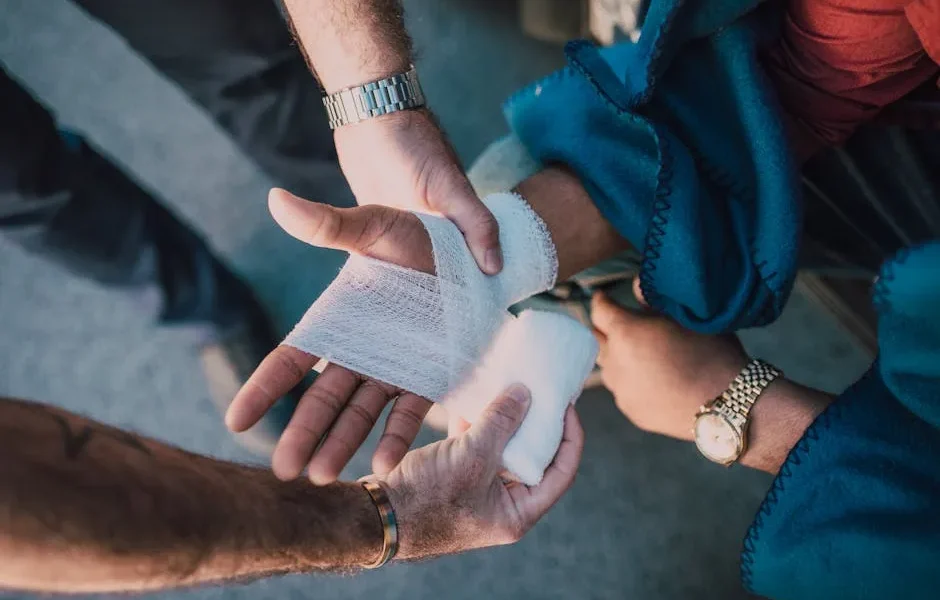
- Use cool (not cold) running water for 10-20 minutes on pet burns. This is the best first aid. Don’t use ice, butter, or human ointments. These can make burns worse.
- Burns covering more than 15-20% of your pet’s body are life-threatening. Your pet needs emergency vet care right away with aggressive fluid therapy.
- Chemical and electrical burns keep causing damage after contact. Electrical cord injuries in young pets can cause heart problems 24-48 hours later.
- Never assume a burn is “minor” based on how it looks at first. Many burns get much worse in the first 24-72 hours as tissue damage grows.
Understanding Pet Burn Emergencies in 2025
I’ll never forget a Labrador puppy that came into our ER. She was maybe four months old. She had knocked over a full French press of coffee.
The owner scooped her up right away. She drove straight to us. This probably saved the dog’s life.
But here’s what stuck with me: the burn didn’t look that bad at first. There was a bit of redness on the chest and front legs. Six hours later, we were looking at full-thickness burns. The puppy needed surgery and weeks of intensive wound care.
That case taught me something important. I now tell every pet owner: burns are deceptive. What you see in the first hour rarely shows the true extent of injury.
When it comes to Pet Burn Emergency: First Aid Treatment & Urgent Care Steps 2025, you need to understand this. Knowing exactly what to do in those critical first minutes can be the difference between a week of recovery and months of complicated treatment.
Burns rank among the top 10 emergency visits for pets. Thermal burns from hot surfaces and liquids account for about 60% of cases. Chemical burns make up another 15-20%. Electrical burns represent 10-15%. Most of these are curious puppies chewing cords.
The common thread? They’re almost always preventable. And they almost always require more treatment than owners initially think.
Types of Burns and How They Happen
Thermal Burns: The Most Common Culprit
Dogs and cats can suffer full-thickness burns at temperatures above 155°F. This can happen in just one second.
At 130°F—the temperature of fresh coffee or tea—you’re looking at full-thickness burns in about 30 seconds. Think about that.
Your pet steps on a heating pad left on high. Or jumps onto a stove burner you didn’t realize was still hot. Or gets splashed by boiling pasta water.
The 2024 Pet Poison Helpline report found something interesting. There’s been a big rise in burns from smart cooking appliances. Air fryers left on “keep warm.” Instant Pots knocked over by wagging tails. Sous vide setups that cats investigate.
Our modern kitchens are minefields.
Chemical Burns: Invisible and Ongoing
Here’s what makes chemical burns particularly nasty. They don’t stop burning when contact ends.
Drain cleaners, oven cleaners, pool chemicals, even some concentrated cleaning products continue destroying tissue for hours. This happens if they’re not properly neutralized and flushed.
The ASPCA Animal Poison Control Center is clear. You need a minimum of 20-30 minutes of continuous water irrigation. Not a quick rinse. Continuous flushing.
I’ve seen paw pad burns from pets walking through spilled chemicals. They looked minor initially. Then they progressed to deep ulcers because the chemical wasn’t adequately flushed out. The tissue kept dying from the inside out.
Electrical Burns: The Hidden Danger
About 60% of electrical burn cases happen in puppies and kittens under one year old.
They chew a cord. They get zapped. The visible injury—usually oral burns at the corners of the mouth—seems manageable.
But here’s the terrifying part: cardiac arrhythmias can appear 24-48 hours after the initial injury.
This is why any electrical burn needs veterinary evaluation. No matter how minor it looks. Your pet often needs 24-hour monitoring.
You’re not just treating a mouth burn. You’re watching for heart problems that can kill your pet two days later when you think they’re out of the woods.
First Aid That Actually Helps (And What Makes Things Worse)
The Cool Water Protocol
Updated AVMA guidelines from 2024 emphasize one thing above all: cool running water for 10-20 minutes.
Not ice water. Not ice packs. Those cause vasoconstriction and actually increase tissue damage. Cool tap water, gently flowing over the affected area.
I know 10-20 minutes feels like forever when your pet is distressed. But this is when you’re stopping the burn progression.
The heat that caused the initial injury continues cooking tissue for minutes afterward. You’re literally preventing that continued damage.
For chemical burns, this timeline extends to 20-30 minutes minimum. Flush, flush, flush.
If you know the specific chemical, call ASPCA Poison Control (888-426-4435) while you’re flushing. They can tell you if there’s a specific neutralization protocol.
What Never to Do
I’ve seen every home remedy you can imagine. Honestly, most make things worse:
- Ice or ice water: Causes additional cold injury. Constricts blood vessels. Worsens tissue damage.
- Butter, oils, or petroleum jelly: Traps heat in the tissue. Creates infection risk.
- Human burn creams or antibiotic ointments: May be toxic if licked. Many contain ingredients inappropriate for pet use.
- Popping blisters: Removes the natural protective barrier. Dramatically increases infection risk.
- Applying pressure or tight bandages: Burns swell significantly. Tight wraps can cut off circulation.
After cooling the burn, your job is simple. Protect it from contamination with a clean, dry, loose covering. A clean towel works fine. Prevent your pet from licking it. Get to a veterinarian.
That’s it.
Assessing Burn Severity: When to Rush to the ER
The Classification System
Veterinary burn classification mirrors human medicine. But there are important differences:
First-degree burns affect only the outer skin layer. You’ll see redness. Maybe mild swelling. Pain when touched. Hair might still be present. These typically heal in 7-10 days with basic care.
Second-degree burns penetrate deeper. They destroy multiple skin layers. Blisters form. Or you see raw, weeping areas if blisters have ruptured. There’s severe pain and significant swelling. Hair is usually gone in the affected area. Healing takes 2-4 weeks. Scarring is likely.
Third-degree burns destroy the full thickness of skin. They often damage underlying tissue. The area may look white, brown, or black.
Here’s the weird part. They’re often less painful initially because nerve endings are destroyed. The tissue is leathery or waxy. These require surgical intervention. They may take months to heal, often with skin grafting.
Body Surface Area: The Critical Calculation
The “rule of nines” used in human medicine doesn’t work well for pets. We use the palm pad method instead.
Each paw pad represents approximately 1% of total body surface area. Burns covering more than 15-20% of body surface area significantly increase mortality risk. These require aggressive fluid therapy within the first 24 hours.
But honestly? If you’re trying to calculate body surface area, you’re already in emergency territory.
Any burn larger than a quarter needs emergency veterinary care. Any second-degree burn needs care. Any burn involving the face, paws, or genitals needs care. Any electrical or chemical burn needs care.
Period.
What Happens at the Emergency Vet
When you arrive at the ER with a burn patient, here’s what we’re thinking about:
Immediate Stabilization
Pain management comes first. Burns hurt. A lot.
We’re typically using injectable opioids. Morphine or hydromorphone. Plus lidocaine patches or local blocks for severe burns. Your pet shouldn’t be suffering while we work.
Next is fluid therapy. Major burns cause massive fluid shifts. Damaged capillaries leak plasma into tissues. This leads to severe swelling and potential shock.
The formula is complex. But basically, we’re replacing lost fluids plus maintenance needs. We adjust based on burn percentage and your pet’s weight. This usually requires IV catheterization. Often hospitalization.
Wound Assessment and Care
We’ll often sedate your pet for thorough wound evaluation.
Burns need to be cleaned. Dead tissue needs to be removed. We assess for depth. This is also when we’re documenting percentage of body surface area affected. We take photographs for medical records and monitoring progression.
Advanced wound dressings have improved significantly in recent years. The Veterinary Wound Care Association reported in 2024 that hydrogel sheets and silver-impregnated bandages reduce healing time by 20-30%. This is compared to traditional petroleum-based treatments.
These materials keep the wound moist. This is critical for healing. They prevent infection. And they don’t stick to damaged tissue.
What About Costs?
I won’t sugarcoat it. Burn treatment isn’t cheap.
Minor burns might run $500-$1,500 for initial treatment and follow-up care.
Severe burns are more expensive. They require hospitalization. Intensive fluid therapy. Multiple wound treatments. Possible surgery. These can easily hit $3,000-$10,000 or more.
This is exactly the scenario where having an emergency fund or pet insurance makes the difference between getting your pet optimal care and making heartbreaking decisions based on finances.
If you’re considering specialist referral for advanced wound care or grafting, check out our guide on specialist costs and what to expect.
At-Home Care for Minor Burns (With Veterinary Guidance)
Let me be crystal clear. I’m only talking about superficial, first-degree burns that have been evaluated by a veterinarian.
Not “I think it’s probably fine” situations. Actual veterinary evaluation.
Wound Care Basics
Your vet will prescribe specific wound care protocols. But generally:
- Clean the area 1-2 times daily with saline or prescribed antiseptic solution
- Apply prescribed topical medications. Often silver sulfadiazine cream or similar veterinary-specific products.
- Cover with non-stick dressing and secure with bandage. Loose enough to slip a finger underneath.
- E-collar is non-negotiable. Licking introduces bacteria and can remove healing tissue.
- Change bandages as directed. Typically every 1-3 days initially.
Monitoring for Complications
Here’s what sends you back to the vet immediately:
- Increased redness, swelling, or warmth spreading beyond the original burn margin
- Discharge that’s green, yellow, or foul-smelling. Clear to slightly pink fluid is normal initially.
- Fever. Over 103°F in dogs and cats.
- Lethargy, decreased appetite, or behavior changes
- The burn looking significantly worse rather than gradually improving
Remember, burns often look worse before they look better. This happens in the first 24-72 hours as tissue damage declares itself. This is normal.
But if you’re seeing signs of infection or systemic illness, that’s a different story.
Special Situations and Complications
Paw Pad Burns
Summer pavement burns are incredibly common. Asphalt can reach 140-160°F on a 90-degree day. That’s well into full-thickness burn territory.
Paw pad burns are particularly challenging. You can’t keep weight off all four feet.
These require protective booties. Frequent bandage changes. They often take longer to heal because of constant pressure and moisture from normal walking. Some dogs need crate rest for weeks to allow healing.
Facial and Oral Burns
Burns around the face are problematic. You can’t easily bandage them. And cats and dogs can’t avoid using their mouths.
Electrical cord burns typically create deep wounds at the corners of the mouth. These often need feeding tube placement because eating is too painful. Plus they’re at high risk for permanent scarring that can affect jaw function.
Dogs vs. Cats: Are There Differences?
Physiologically, burn healing is similar between dogs and cats.
But behaviorally? Cats are often harder to treat. They’re more resistant to bandaging. More persistent at removing e-collars. Generally less tolerant of wound care procedures.
Sometimes successful home care in a cat requires mild sedation for bandage changes. Talk to your vet about options.
Prevention: The Best Medicine
I’ve spent 15 years treating burn emergencies that were almost entirely preventable. Here’s your action list:
Kitchen Safety
- Turn pot handles inward on stoves
- Use back burners when possible
- Never leave hot beverages within tail-wagging or paw-reaching distance
- Unplug and move hot appliances immediately after use. Don’t rely on “they’ll cool down eventually.”
- Block access to kitchens during cooking if you have counter-surfing dogs or cats
Electrical Cord Management
- Use cord protectors or bitter spray on accessible electrical cords
- Tape cords to baseboards or hide them behind furniture
- Unplug appliances when not in use if you have young pets
- Consider cordless alternatives for frequently chewed items
Chemical Storage
- Store all cleaning products, lawn chemicals, and pool supplies in locked cabinets
- Clean up spills immediately and completely. Don’t just wipe them up.
- Keep pets away from freshly treated lawns for at least 24-48 hours
- Be especially careful with concentrated products that can burn on contact
Heating Equipment
- Use heating pads only on low settings and only under supervision
- Check your pet every 15-20 minutes when using heat therapy
- Block access to wood stoves, fireplaces, and space heaters
- Be cautious with heated pet beds. Some can malfunction and cause burns.
Holiday hazards deserve special mention. Candles, hot wax melts, fondue pots, Christmas lights, and fireplace ashes cause a predictable surge in burn cases every year.
If you’re hosting or celebrating, be extra vigilant. One moment of distraction is all it takes.
When Telemedicine Can Help (And When It Can’t)
Several veterinary emergency apps now offer photo triage for burns. Honestly, this can be valuable for borderline situations.
Take clear, well-lit photos of the affected area. Put something for scale in the photo. A coin works well. A veterinarian can often tell you whether this is “monitor at home” or “get here now” based on appearance.
But here’s when telemedicine doesn’t work:
Chemical burns. We need to know what chemical and start flushing immediately. Electrical burns. Cardiac monitoring can’t happen remotely. Burns covering large body surface areas. Burns involving airways or genitals. Any situation where your pet is showing systemic signs of illness.
If you’re considering the telemedicine route, understand it’s triage, not treatment. You’re getting guidance on urgency. Not a substitute for hands-on care.
And if you’re already thinking “this might be bad enough for the ER,” you’ve answered your own question. When in doubt, go.
I’ve never regretted an owner bringing a pet in “just to be safe.” I’ve definitely regretted cases that came in hours too late because the owner was trying to decide if it was “bad enough.”
For more guidance on navigating after-hours emergencies and deciding between emergency, urgent care, and regular appointments, we’ve got resources to help you make those calls with confidence.
Recovery Timeline and What to Expect
First-degree burns typically heal within 7-10 days with minimal scarring. You’ll see gradual improvement daily. Hair usually grows back normally.
Second-degree burns take 2-4 weeks. They often leave some scarring. Hair may grow back patchy or discolored. Follow-up appointments are typically scheduled every 3-7 days initially. This monitors healing and adjusts treatment.
Third-degree burns are a months-long journey. Initial wound management and debridement. Possible skin grafting. Multiple bandage changes. Potential for infection complications. Ultimately permanent scarring with hair loss in affected areas.
Some of these cases require specialist referral to veterinary surgeons with advanced wound care expertise.
Be prepared for the healing process to be non-linear. Burns often look worse days 2-4 as damaged tissue declares itself. Then they gradually improve.
Some wounds need to heal by “second intention.” This means they fill in from the bottom up rather than being sutured closed. This process is slow but often results in better outcomes for burn wounds.
Final Thoughts
Burns are one of those emergencies where minutes matter. But so does resisting the urge to “help” with treatments that actually cause harm.
Cool water. Protection from further contamination. Prevention of licking. Rapid veterinary care. That’s your formula. Everything else is either unnecessary or potentially harmful.
I know the instinct is to do something, anything, to make your pet feel better. But sometimes the most helpful thing is knowing what not to do.
Take a few minutes today to walk through your home with fresh eyes. Look for