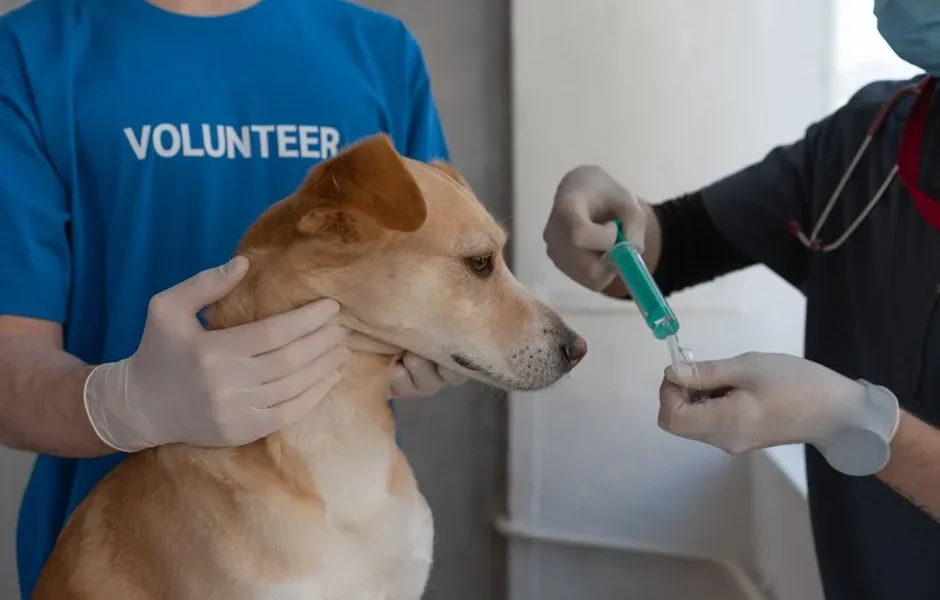
- Press directly on the wound for 3-5 minutes without stopping. This is the best way to stop most bleeding. Don’t check the wound early.
- Bright red spurting blood means you need a vet right away. Dark red flowing blood is less urgent and easier to control.
- Good first aid before you drive to the vet saves lives. It increases survival from 65% to 89%.
- Never take off blood-soaked bandages. Add more layers on top instead. This helps the blood clot.
- Internal bleeding looks different. Watch for pale gums, weakness, and swollen belly. Get to the vet right away. Don’t try to apply pressure.
I’ve worked in emergency medicine for fifteen years. Some calls make my heart race more than others. When an owner applies proper pressure and gets their dog to us quickly, that animal usually survives. But the same injury with poor first aid? Sometimes we lose that race against shock.
Here’s the truth about pet bleeding emergencies. Knowing how to apply pressure and control blood loss can save your pet’s life. Your dog or cat can lose up to 30% of their blood before showing clear signs of shock. But by that point, we’re already in trouble.
A small 20-pound dog has only about one liter of blood total. Lose 150-200ml? That’s dangerous.
Let me show you exactly what to do. And what not to do. And when every second counts.
Understanding What You’re Dealing With: Types of Bleeding
Not all bleeding is the same. Knowing the difference helps you know how urgent it is.
Arterial Bleeding: The True Emergency
Arterial bleeding is bright red. It spurts with each heartbeat. It comes from arteries under high pressure.
I see this with deep cuts, bad bite wounds, or serious injuries. This bleeding can cause shock in 10-20 minutes if you don’t stop it.
If you see arterial bleeding, move fast. Apply pressure right away. Start driving to the emergency vet. This is definitely an emergency.
Venous Bleeding: Serious But More Manageable
Venous bleeding is dark red. It flows steadily instead of spurting. It comes from veins, which have lower pressure than arteries.
This is still serious. But you have more time to apply pressure and stop it before transport.
Capillary Bleeding: The Least Urgent
This is the oozing you see with scrapes and minor cuts. Or scraped paw pads.
It’s the slowest type of bleeding. It usually stops on its own with little help. It still needs attention. But it’s rarely an emergency.
The Critical First Five Minutes: Step-by-Step Pressure Application
This is where most people make mistakes. Not because they don’t care. But because they don’t know the right way.
Step 1: Assess the Situation Safely
Before you touch your pet, remember this. Even sweet animals can bite when they’re hurt.
If your dog or cat is acting aggressive, you may need to skip first aid. Just get them to the vet safely. A soft muzzle can help. But never muzzle a pet with chest injuries, breathing problems, or one that might vomit.
If your pet is too dangerous to approach, your job is simple. Get them to the vet as fast as possible. We can sedate them safely there.
Step 2: Apply Direct Pressure—And I Mean Direct
Grab the cleanest material you can find quickly. Clean towels work. Gauze pads work. Even sanitary napkins work well.
Avoid cotton balls or tissues. They fall apart and stick to the wound. That creates more problems later.
Place your material directly over the wound. Press firmly. Not gently. Not lightly. Firm, continuous pressure.
If you’re squeamish about blood, push through it. Your pet needs you.
Here’s the part everyone gets wrong. Do not lift the bandage to check if it’s still bleeding. Not for at least three full minutes.
Every time you peek, you disrupt clot formation. You restart the whole process. I’ve seen owners double their pet’s blood loss by checking repeatedly.
Step 3: If Blood Soaks Through, Add Layers
If blood soaks through your first layer, don’t remove it. Add another layer on top. Press harder.
That first layer is where clotting factors are building up. Remove it and you remove the foundation of the clot.
Some products like QuikClot Veterinary and Celox are now available for pet first aid. These help blood clot about 60% faster than regular gauze.
If you have these, use them now. But regular gauze with proper pressure still works very well.
Step 4: Maintain Pressure During Transport
Once you’ve applied pressure, keep it on during the entire drive to the vet. Have someone else drive if possible.
If you’re alone, you can secure the bandage with vet wrap or tape. But keep one hand on it. You need to ensure steady pressure.
Location-Specific Bleeding Challenges
Different body parts present different problems. Let me explain the tricky ones.
Ear Injuries: The Headshakers
Dog and cat ears bleed a lot. They have lots of blood vessels and thin skin.
The real problem? Head shaking. Every shake splatters blood everywhere. It stops clots from forming.
For ear wounds, fold the ear flat against the head. Wrap the entire head with gauze or a bandage. Keep the good ear free if you can.
The goal is to stop movement. Yes, your dog will look like they have a turban. Function matters more than fashion right now.
Paw Pad Injuries: Pressure Points Matter
Paw pads have lots of blood vessels too. Apply gauze directly to the wound. Then wrap the entire paw firmly.
Don’t wrap so tight you cut off circulation. You should be able to slip one finger under the wrap. Extend your wrap above the ankle joint. This prevents slippage.
Nail Bed Bleeding: The Exception to the Rule
Broken or torn nails that keep bleeding are different. Styptic powder or cornstarch can actually help here.
These products work well on minor surface bleeding. But never pack them into deep wounds or large cuts. For anything beyond nail bleeding, stick to pressure.
Abdominal and Chest Wounds: Transport First
If you see a wound going into the chest or belly, be careful. Especially if you can see internal tissues.
Cover it lightly with a clean, moist cloth. Then transport immediately. Don’t apply heavy pressure to these wounds. Don’t try to push anything back inside.
Just cover and go.
The Tourniquet Question: When and Why Not
People ask me about tourniquets all the time. Probably from watching medical shows.
Here’s my position. Tourniquets are a last resort. Only use them for uncontrollable arterial bleeding from limbs. Improper use causes permanent tissue damage.
The data backs this up. Wrong tourniquet use increases amputation risk by 40%. It can cause permanent damage within two hours.
I’ve seen owners apply tourniquets to tails (never right), ears (doesn’t work), or leave them on for 45-minute drives. This causes more damage than the original injury.
If you have arterial bleeding from a limb that won’t respond to direct pressure, here’s what to do. Apply a tourniquet between the wound and the heart. Note the exact time you applied it. Then drive fast. We need to get that tourniquet off within two hours.
What NOT to Do: Common Mistakes That Make Things Worse
Let me save you from mistakes I see all the time.
Don’t use hydrogen peroxide on actively bleeding wounds. It damages tissues. It can actually increase bleeding. Save wound cleaning for after we’ve stopped the bleeding.
Don’t try to remove embedded objects. If there’s glass, a stick, or anything else sticking out, leave it. It may be plugging a major blood vessel. Removing it could turn a controlled situation into a disaster.
Don’t remove formed clots. I know they look gross. Leave them alone. They’re doing exactly what they should.
Don’t forget about internal bleeding. Not all bleeding is external. Pale gums, weakness, swollen or painful belly, trouble breathing, or collapse can all mean internal bleeding.
No amount of external pressure helps this. It requires immediate veterinary care.
Keeping Your Pet Calm: Why It Matters Physiologically
When your pet’s heart rate and blood pressure go up from stress, bleeding gets worse. An anxious, thrashing dog bleeds faster than a calm one. This is basic physiology.
Speak in calm, soothing tones. Even if you’re terrified inside. Minimize movement. If your pet is calm enough to rest, let them. Don’t force a bleeding dog to walk to the car. Carry them if possible.
Some emergency vet services now offer video help during transport. VCA and Banfield expanded these services in 2023-2024.
If you can safely use your phone’s video while someone else drives, a vet can guide your pressure technique in real-time. They can also advise if you’re going to the right facility.
Building Your Pet First Aid Kit for Bleeding Emergencies
After seeing thousands of emergencies, here’s what I recommend you have at home:
- Sterile gauze pads (4×4 inch, multiple packs)
- Roll gauze for wrapping
- Vet wrap (self-adhesive bandage material)
- Hemostatic gauze (QuikClot or Celox if budget allows)
- Thick towels set aside for emergencies
- Soft muzzle (right size for your dog)
- Emergency vet contact information with address
- Latex-free gloves
- Scissors with rounded tips
Keep this kit where you can reach it. Under the sink doesn’t help if you’re in the backyard when injury happens. I keep a duplicate kit in my car.
The Financial Reality of Bleeding Emergencies
I need to be honest about something. Emergency care for severe bleeding isn’t cheap.
Stabilization, blood transfusions if needed, surgery, and hospitalization can cost thousands of dollars.
But here’s what proper first aid does. It often reduces how much treatment is needed. That directly impacts cost.
A pet that arrives with controlled bleeding and stable vitals needs less aggressive treatment. This is different from one arriving in shock.
If finances are a concern, learn about veterinary payment plans and financing options before an emergency happens. This can eliminate delays in decision-making.
Breed-Specific Considerations You Should Know
Some breeds need extra consideration during bleeding emergencies.
Doberman Pinschers have von Willebrand disease. It affects 50-70% of the breed. It’s a clotting disorder that makes bleeding control harder.
If you own a Doberman, Scottie, or Shetland Sheepdog, talk to your regular vet about screening. Make sure your emergency contacts know about potential clotting issues.
Brachycephalic breeds like Bulldogs and Pugs need mention too. Their airways are already compromised. This means stress management during a bleeding emergency is even more critical.
Keep them as calm as possible. Be prepared to choose a facility equipped for their unique needs.
When Bleeding Indicates Something More Serious
Sometimes bleeding is the symptom, not the problem.
Spontaneous bleeding without trauma is concerning. So is bleeding from multiple sites. Or bleeding that won’t stop despite proper pressure.
These can indicate clotting disorders, poisoning (especially rat poison), or serious disease.
If your pet develops unexplained bleeding, get emergency care. Even if the bleeding itself seems minor. We need to figure out why it’s happening.
Final Thoughts
The statistics I mentioned at the start aren’t just numbers. They represent real pets whose outcomes depended partly on what happened before they reached us.
An 89% survival rate versus 65% means this. Proper first aid saves roughly one in four pets who might otherwise die from traumatic bleeding. That’s huge.
Here’s what I want you to do. Assemble that first aid kit this week. Not “someday.”
Screenshot or print the pressure application steps. Keep them with your kit. During an emergency, your brain won’t remember everything.
Program your nearest 24-hour emergency vet into your phone right now. Save the address, not just the number.
And maybe most importantly, give yourself permission to be imperfect. Doing something—even if it’s not perfect—is infinitely better than freezing in panic.
Your pet needs you to act. And now you know how.
Sources & Further Reading
- American Veterinary Medical Association — Comprehensive emergency care guidelines and first aid recommendations for pet owners
- American Red Cross Pet First Aid — Evidence-based pet first aid standards including bleeding control techniques
- Veterinary Emergency and Critical Care Society — Clinical guidelines and protocols for emergency stabilization and critical care
- VIN Veterinary Partner — Peer-reviewed emergency care information for pet owners from veterinary professionals
- American College of Veterinary Surgeons — Trauma management and surgical intervention guidelines for traumatic injuries