
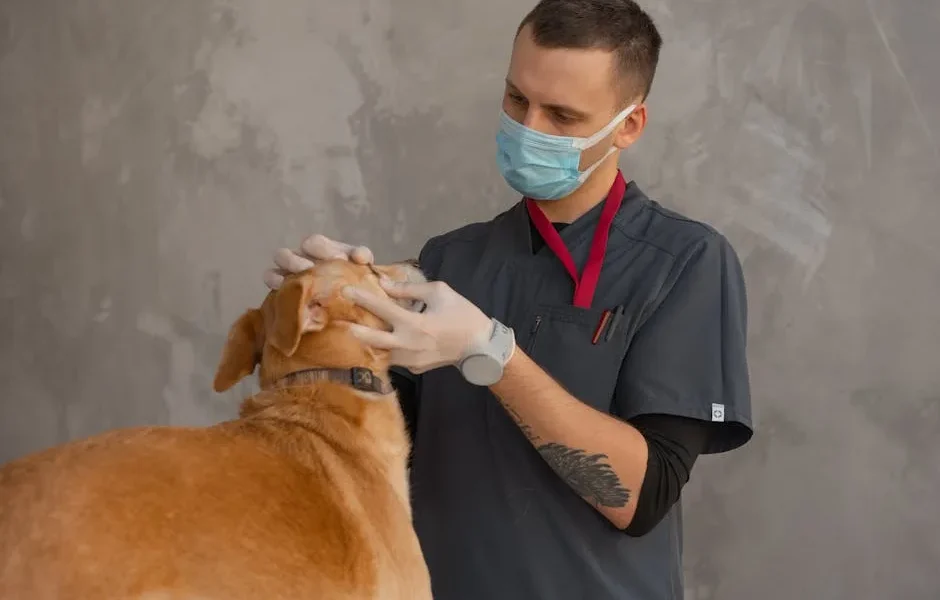
- Microbiome testing for pets in 2025 works best for animals with ongoing stomach problems, repeat infections, or those not getting better with normal treatments. Healthy pets usually don’t need it.
- Tests cost $99-300. They check 1,000+ types of bacteria in your pet’s gut. Results can help guide specific probiotic treatments and diet changes.
- Research shows 60-70% of pets with long-term digestive problems get better with microbiome-guided treatment. Only 30-40% improve with regular probiotics.
I’ll be honest. When microbiome testing for pets first came out five years ago, I wasn’t sure about it. It seemed like just another trendy test. Pet owners might waste money on it while missing simpler problems. But here’s the thing: I’ve watched this technology get better. In 2025, Microbiome Testing for Pets: When Gut Health Analysis Is Worth It & What Vets Recommend is a real question I help clients with almost every week. The science has improved. But you need to know when it makes sense.
The reality? Most healthy pets don’t need their microbiome tested. But for the right pet with the right symptoms, these tests can provide answers. This helps after months of guessing at treatments. I’ve seen dogs with years of chronic diarrhea get completely better. We found their specific bacterial imbalances and fixed them. I’ve also seen owners spend $200 on testing when a simple food change would have worked.
So let’s talk about when this technology is worth your money. And when it’s not.
1. Your Pet Has Chronic GI Issues That Haven’t Responded to Standard Treatment
This is the number one reason I recommend microbiome testing. Your dog or cat has chronic diarrhea, inflammatory bowel disease (IBD), or keeps vomiting. This has gone on for months. And we’ve already ruled out parasites, eating bad things, and obvious food allergies. A gut microbiome analysis can show what’s happening with the bacteria.
The gut contains 70-80% of your pet’s immune system. When the bacterial balance goes wrong (called dysbiosis), everything suffers. Digestion gets worse. Inflammation control fails. I recently had a Labrador patient on and off antibiotics for over a year. She kept getting diarrhea. Her microbiome test showed very low levels of Firmicutes and Bacteroidetes. These are the “good guy” bacteria that should be in a healthy gut. With targeted prebiotics and a specific probiotic strain, she was finally better within three weeks.
Traditional tests like bloodwork and imaging tell us about organs and structure. Microbiome testing tells us about function at the cellular level. For chronic cases where we’re stuck, that’s valuable information. Just make sure you’ve done the basics first. Get fecal parasite testing, basic bloodwork, and appropriate imaging to rule out structural problems.
2. Testing Is More Accessible Through Your Regular Vet in 2025
Here’s a huge development. Major veterinary hospital chains like VCA and Banfield started working with microbiome testing companies in 2024. This means you’re not limited to mail-order kits anymore. Your regular vet can collect the sample during a normal visit. They send it to the lab. And they can actually help you understand the results.
This matters more than you’d think. When I get microbiome results back, there’s a lot to look at. Bacterial diversity scores. The ratio of Firmicutes to Bacteroidetes. Presence of bad species like Clostridium perfringens. And dozens of other data points. Most pet owners can’t turn that into an action plan. And frankly, many vets are still learning too. Having in-house access means better integration with your pet’s medical record and treatment plan.
The tests usually cost between $99-300. This depends on the company and whether vet consultation is included. Results take 2-6 weeks. Companies like AnimalBiome and MiDOG are the most established. Both now offer veterinary partnerships. This is way better than a few years ago. Back then, pet owners ordered tests online. They showed up with results nobody knew how to use.
3. Breed-Specific Baselines Now Make Results More Accurate
One of the coolest developments in 2024 was new research. It showed that different dog breeds have very different “normal” microbiome profiles. A German Shepherd’s baseline gut bacteria looks different from a Beagle’s. And that looks different from a Poodle’s. This matters because earlier tests compared your pet to a generic “dog” baseline. That might not be relevant.
The major testing companies now use breed-specific reference ranges. This reduces false positives. A perfectly healthy dog’s results might have looked “abnormal” before. This was just because their breed naturally has different bacterial populations. It also helps identify real dysbiosis more accurately.
Cat microbiomes don’t vary as much between breeds as dogs do. But the differences between dogs and cats are huge. Cats have much higher proportions of Actinobacteria. They have lower Firmicutes compared to dogs. Any quality microbiome test should use species-appropriate reference data. Ideally breed-appropriate too.
4. You Can Actually Do Something With the Results
The question I hear constantly: “Okay, we have these results—now what?” Fair question. Microbiome testing is only worth it if the results lead to treatment changes. In 2025, we have better options than ever.
First, targeted probiotics. Generic pet probiotics from the pet store contain random bacterial strains. They may or may not help your pet’s specific imbalance. When microbiome testing shows your dog is low in specific bacterial families, we can prescribe therapeutic probiotics. These have strains that actually address that deficiency. Research from 2023-2024 shows this approach works 60-70% of the time for chronic GI disorders. Generic probiotics only work 30-40% of the time.
Second, dietary changes. Some bacterial imbalances respond better to high-fiber diets. Others need easily digestible protein sources. Some require specific prebiotics. (Prebiotics are the food that feeds good bacteria.) The test results guide these decisions. We don’t have to guess. And third—though still somewhat experimental—fecal microbiota transplantation (FMT) is now available through veterinary specialists. This is for severe dysbiosis. Yes, it’s exactly what it sounds like. And yes, it can work remarkably well when nothing else does.
5. Know When Testing Isn’t the Answer
Let me save you some money. You probably don’t need microbiome testing for a healthy pet. Even if you’re curious. The tests analyze populations of 1,000+ different bacterial species. They look across five major phyla. But “interesting data” isn’t the same as “clinically useful data” if your pet is thriving.
I also don’t usually recommend testing for acute problems. Your dog just ate garbage and has diarrhea for two days. Their microbiome is temporarily disrupted. But testing during that window won’t give us meaningful information. Same with pets currently on antibiotics. Wait at least 2-4 weeks after finishing antibiotics before testing. Antibiotics temporarily wipe out gut bacteria.
And here’s the limitation nobody talks about. Microbiome testing can’t diagnose specific diseases. It shows bacterial populations and imbalances. But it won’t tell you if your pet has pancreatitis, kidney disease, or cancer. If your pet has serious symptoms, we need traditional diagnostics first. Unexplained weight loss. Bloody diarrhea. Lethargy. These need thorough workups. Microbiome testing is a complementary tool. It’s not a replacement for comprehensive veterinary workup. If you’re dealing with a true emergency, focus on immediate stabilization first.
6. The FDA Is Now Watching Direct-to-Consumer Tests More Closely
Important update for 2025. The FDA started scrutinizing direct-to-consumer pet microbiome tests in late 2024. New guidance is expected this year. This covers health claims and veterinary oversight requirements. This is actually a good thing. It means better quality control. And fewer companies making wild promises they can’t deliver.
The concern was that some companies were implying their tests could diagnose diseases. Or that their supplements would cure serious conditions without a vet. The new regulatory environment should weed out less reputable players. And it ensures testing companies partner with actual vets for result interpretation.
When choosing a microbiome test, look for companies that do these things. Require or strongly encourage veterinary involvement. Use validated laboratory methods. (Metagenomic sequencing is the gold standard.) Provide clear reports with reference ranges. And don’t make disease diagnosis claims. Reputable companies will say their tests are for informational purposes. They should be used with veterinary care, not instead of it.
7. The Connection Between Gut Health and Behavior Is Real
This one surprises people. Research from 2023-2024 has shown links between microbiome imbalances and behavioral issues in pets. Particularly anxiety and aggression. The gut-brain axis isn’t just human medicine anymore. It’s becoming relevant in veterinary behavioral medicine too.
I had a case last year with an anxious Border Collie. His owners were considering behavioral medication. Before we went that route, we tested his microbiome. We found severe dysbiosis. After three months of targeted treatment, his anxiety symptoms improved significantly. Not completely resolved. But enough that we could manage the rest with training and environmental changes rather than drugs.
Does this mean every anxious pet needs microbiome testing? No. But if you’re dealing with behavioral issues that won’t respond to treatment, it’s worth discussing. Especially if there’s also a history of GI problems. Even mild ones. The same goes for pets with chronic skin issues or repeat infections. These can all be connected to gut health. If your cat experiences the nighttime zoomies along with digestive upset, there might be a gut component worth investigating.
8. Future Applications Are Coming Fast
Here’s where this technology is heading. And why I’m increasingly convinced it’ll become standard practice within five years. AI-powered microbiome analysis launched in 2024-2025. It can predict disease risk based on bacterial profiles. Early research suggests certain microbiome patterns correlate with increased cancer risk, obesity, and chronic disease in pets.
We’re also seeing emerging evidence that microbiome health affects longevity. Dogs with more diverse, balanced gut bacteria appear to live longer. They have fewer age-related diseases. While we can’t make definitive claims yet, the data is compelling. I now discuss gut health optimization with owners of senior pets. It’s part of their wellness plans.
Fecal microbiota transplantation (FMT) is becoming more mainstream. I mentioned it earlier. Several veterinary universities and specialty practices now offer it. The success rates for severe dysbiosis are impressive. Within a few years, I expect this to be a standard treatment option at most specialty hospitals. Not an experimental therapy you have to search for.
Final Thoughts
Microbiome testing has evolved from a curiosity to a legitimate diagnostic tool. But only when used appropriately. It’s not for every pet or every situation. And it’s definitely not a replacement for comprehensive veterinary care. Where it shines is in chronic, treatment-resistant cases. Cases where traditional diagnostics haven’t provided answers. If your pet fits that description, having a detailed map of their gut bacteria can finally break the cycle. You stop the trial-and-error treatment.
If you’re considering microbiome testing for your pet, start by discussing it with your vet. Don’t order a kit online first. Make sure you’ve completed basic diagnostics first. And be prepared to actually implement the dietary and therapeutic changes the results suggest. The test itself is just data. The real value comes from using that data to create a targeted treatment plan with professional guidance. And if you’re dealing with multiple pets and managing healthcare costs, you might want to explore insurance options. These can help offset diagnostic expenses like these.
Sources & Further Reading
- AnimalBiome — Leading commercial pet microbiome testing company with extensive veterinary research backing and published clinical studies on dysbiosis treatment
- PubMed Central – Canine and Feline Microbiome Research — Peer-reviewed research database with hundreds of studies on pet gut health, bacterial populations, and clinical applications
- Today’s Veterinary Practice — Current veterinary research and clinical guidelines on microbiome testing applications and evidence-based treatment protocols
- American Veterinary Medical Association — Professional guidelines and position statements on emerging veterinary diagnostics and gut health research
- American Kennel Club – Dog Microbiome — Evidence-based pet owner education on canine gut health and when testing is appropriate