
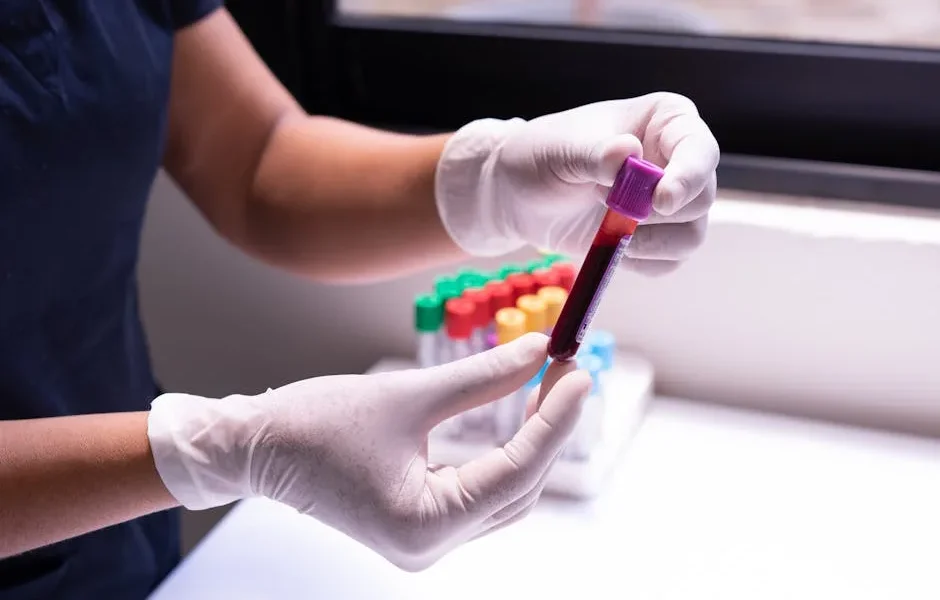
- Learning to read your pet’s lab results helps you make better health choices. You can catch diseases early. This matters because kidney disease can damage 75% of the kidneys before normal tests show a problem.
- Normal ranges are different for each species, breed, and age. Greyhounds naturally have higher red blood cell counts. Puppies have different normal values than adult dogs. Context matters more than a single number.
- Blood tests work together to check organ function, immune health, and metabolism. Each part tells your vet something specific. Together, they create a complete picture of your pet’s health.
After 15 years in emergency medicine, I’ve seen many pet owners stare at lab reports. They look confused. And you know what? I get it.
Last month, a client apologized for asking “too many questions” about her dog’s liver enzymes. Too many questions? That’s impossible when it comes to your pet’s health.
Learning to read your pet’s lab results isn’t just about curiosity. It’s about being an active part of your pet’s healthcare. When you understand those numbers, you can spot trends. You can ask better questions. You can tell when something needs attention.
Let’s break this down together. No medical degree needed.
Why Understanding Lab Results Actually Matters
Here’s something scary: kidney disease affects one in three cats. It affects one in ten dogs during their lifetime.
The problem? Traditional tests like BUN and creatinine don’t show problems until about 75% of kidney function is already lost.
That’s why baseline testing matters. That’s why understanding trends matters.
Pre-surgery blood work catches problems in 10-15% of apparently healthy pets. These animals seemed perfectly fine. But the tests found hidden issues.
These aren’t unnecessary tests. They’re safety nets. They prevent surgery complications. They catch treatable diseases before they become emergencies.
Your pet can’t tell you they’re feeling off. They hide illness—it’s a survival instinct. Lab work speaks for them.
Step 1: Understand the Format of Lab Reports
Most lab reports follow a standard format.
The test name appears on the left (like “ALT” or “WBC”). Next to it, you’ll see your pet’s actual value. Then you’ll see the reference range—that’s the normal range.
Many reports use flags. “H” means high. “L” means low. Asterisks highlight abnormal values.
Here’s what trips people up: reference ranges aren’t one-size-fits-all.
They vary by species. They vary by breed. They vary by age. They even vary by which lab runs the test.
A greyhound’s normal red blood cell count is higher than a beagle’s. Puppies and kittens have different ranges than adults.
This is why your vet interprets results in context. They don’t just flag anything outside the range.
What Those Abbreviations Mean
Common abbreviations you’ll see:
- CBC: Complete Blood Count
- Chem panel: Blood chemistry panel (sometimes called “blood work”)
- T4: Thyroid hormone test
- UA: Urinalysis
- BUN: Blood Urea Nitrogen (kidney function)
- ALT/ALP: Liver enzymes
Don’t worry—we’ll break each of these down.
Step 2: Decode the Complete Blood Count (CBC)
The CBC is probably the most common test. It looks at three main cell types: red blood cells, white blood cells, and platelets.
Think of it as a window into your pet’s immune system and oxygen levels.
Red Blood Cell Parameters
RBC, hemoglobin, and hematocrit all measure oxygen-carrying capacity.
Low values mean anemia. But anemia isn’t a diagnosis. It’s a symptom. The question becomes: why is your pet anemic?
Is it blood loss? Chronic disease? Immune destruction?
High values are less common. They can mean dehydration or certain bone marrow disorders.
White Blood Cell Parameters
Normal white blood cell count for dogs is 6,000-17,000 cells per microliter. For cats, it’s 5,500-19,500.
But the total count is just the beginning. The differential tells the real story. That’s the breakdown of white blood cell types:
- Neutrophils: The front-line infection fighters. High levels mean bacterial infections or inflammation.
- Lymphocytes: Important for immune function. Can be high in certain infections. Can be low with stress.
- Eosinophils: Often high with parasites or allergies.
- Monocytes: Clean-up crew cells. High with chronic inflammation.
Platelets
Platelet count measures clotting ability.
Low platelets can mean bleeding disorders. Or immune problems. Or bone marrow disease.
This is critical information before any surgery.
Step 3: Interpret Blood Chemistry Panels
Chemistry panels usually include 10-25 different measurements.
They check organ function—mostly kidneys and liver. They also check electrolytes, proteins, and glucose.
Let’s focus on the most important ones.
Kidney Function Markers
BUN (Blood Urea Nitrogen) and creatinine are the traditional kidney markers.
Both measure waste products. Healthy kidneys filter these out. High levels suggest decreased kidney function.
But they can also spike with dehydration or a high-protein meal.
Here’s the game-changer: SDMA has become standard since 2015. By 2024, it’s universal.
SDMA detects kidney disease earlier than creatinine. Sometimes it catches problems when only 25-40% of function is lost. That’s much better than waiting until 75% is gone.
If your pet’s report includes SDMA, that’s a good thing.
Liver Enzyme Markers
ALT and ALP are the most common liver enzymes tested.
High levels mean liver cell damage or bile flow problems. But context matters a lot.
Young, growing dogs often have high ALP. Certain medications (like prednisone) make ALP skyrocket. ALT can be mildly high after a fatty meal.
This is why your vet considers everything together. How high are the levels? Which enzymes are affected? What clinical signs does your pet show?
A dog with very high liver enzymes who’s vomiting and yellow? That’s an emergency.
A healthy senior dog with mildly high ALP on a routine panel? That might just need monitoring.
Glucose and Diabetes Screening
Glucose measures blood sugar.
Constantly high glucose suggests diabetes. But stress can temporarily spike glucose in cats. We call this “stress hyperglycemia.”
Low glucose can mean insulin overdose, liver disease, or certain tumors.
Electrolytes and Proteins
Sodium, potassium, and chloride maintain cell function and hydration.
Imbalances can mean kidney disease, Addison’s disease, or dehydration.
Total protein and albumin assess nutrition and liver function. They also show protein loss through kidneys or intestines.
Low albumin can mean serious chronic disease.
Step 4: Understand Thyroid Testing (Especially for Cats)
Thyroid testing is recommended for all cats over 7 years old.
Why? Hyperthyroidism affects 10% of senior cats. It’s one of the most common feline diseases. And it’s completely treatable when caught early.
T4 (thyroxine) is the main screening test. Normal range is about 1.0-4.0 μg/dL. This varies slightly by lab.
High T4 with classic signs confirms hyperthyroidism. Classic signs include weight loss despite huge appetite, hyperactivity, and vomiting.
For dogs, we usually test the opposite problem: hypothyroidism.
Low T4 combined with high TSH suggests an underactive thyroid. This can cause weight gain, lethargy, and skin problems.
Just like with cats and their individualized vaccination schedules, thyroid testing should fit your pet’s age and symptoms.
Step 5: Don’t Overlook Urinalysis
Blood tests tell you what’s happening in the bloodstream.
Urinalysis tells you what the kidneys are actually doing. It provides critical information you can’t get any other way.
A complete urinalysis includes:
Specific gravity: Measures urine concentration. This tells us if kidneys can concentrate urine properly. It’s an early sign of kidney disease.
pH: Acidity or alkalinity. Affects crystal formation. Can indicate urinary tract infections.
Protein: Protein in urine can mean kidney disease, urinary tract inflammation, or infection.
Glucose: Shouldn’t normally appear in urine. If it’s there, it suggests diabetes.
Sediment examination: Microscopic analysis. Shows red blood cells, white blood cells, bacteria, crystals, or casts. Each has different meanings.
I’ve diagnosed countless urinary tract infections through urinalysis. Also bladder stones and early kidney disease. Blood work missed these entirely.
Urinalysis isn’t optional. It’s essential.
Step 6: Ask the Right Questions
Now that you understand what the tests measure, here’s how to talk with your vet:
- “Which values are you most concerned about and why?” Focus on what matters most. Don’t get overwhelmed by every number.
- “Is this value abnormal for the species or abnormal for my individual pet?” Trends matter more than single data points.
- “What are we ruling in or ruling out with these results?” Lab work answers specific questions.
- “Do we need follow-up testing, and if so, when?” Some abnormalities need immediate action. Others need monitoring.
- “Can I have a copy for my records?” Building a health history file helps track trends over years.
Most veterinary practices now offer online portals. You can access results online with educational explanations.
This is a huge advancement. It’s become widespread since 2023.
Tips for Getting the Most Accurate Results
Follow fasting instructions: Many chemistry panels require 8-12 hours of fasting. Food can elevate certain values, especially triglycerides and glucose. Water is usually fine.
Minimize stress: Easier said than done, I know. But stress causes white blood cell changes. It spikes glucose in cats.
If your cat is extremely stressed at the vet, mention this. Your vet needs to know for accurate interpretation.
Mention all medications and supplements: Prednisone, phenobarbital, and other medications significantly affect lab values. Your vet needs this information.
Time routine screening appropriately: For senior pets (7+ years), annual or twice-yearly screening helps catch diseases early.
For younger, healthy pets, screening before anesthesia or when symptoms arise is usually sufficient.
This is like the individualized approach we use for weight management. One size doesn’t fit all.
Common Mistakes Pet Owners Make
Mistake #1: Assuming normal results mean perfect health
Lab work is a snapshot in time. Many diseases don’t show up in blood work until they’re advanced.
Normal labs are reassuring. But they don’t replace physical examination and clinical judgment.
Mistake #2: Panicking over minor variations
A value that’s barely outside the reference range isn’t automatically alarming.
Individual variation exists. Your vet looks at the whole picture. Clinical signs. Physical exam findings. Whether values are trending in a concerning direction.
Mistake #3: Skipping recommended follow-up
If your vet recommends rechecking labs in two weeks or three months, there’s a reason.
Monitoring trends helps catch progressive disease. It confirms whether treatment is working.
Mistake #4: Dr. Google diagnosis
I’m all for educated pet owners. That’s why I’m writing this.
But resist the urge to diagnose based on one abnormal value. Lab interpretation requires understanding the clinical context. Physical exam findings. How different abnormalities interact.
That’s why you have a veterinarian.
Mistake #5: Delaying testing to save money
I understand budget constraints. Lab work typically costs $80-300 depending on the panel. That’s not insignificant.
But here’s the thing: early detection saves money long-term.
Catching kidney disease early means managing with diet and medications. Catching it late means hospitalization, crisis intervention, and sometimes euthanasia. Treatment becomes unaffordable or impossible.
Pet insurance often covers diagnostic testing. This can make routine screening more accessible.
When Results Point to Something Serious
Sometimes lab results indicate a problem requiring immediate attention or specialized care.
Red flags include:
- Very high kidney values (BUN >100, creatinine >5)
- Very low red blood cell count (hematocrit <20%)
- Extremely low platelet count (<50,000)
- Massively high liver enzymes (ALT >1000)
- Very high or very low calcium
- Glucose >300 with ketones in urine
These situations often require emergency veterinary care or referral to a specialist.
In-house testing provides results in 10-20 minutes. This is critical in emergencies when we need answers fast.
Outside labs typically take 24-48 hours. That’s fine for routine screening. But it’s too slow when your pet is in crisis.
The Evolution of Veterinary Diagnostics
Here’s something exciting: veterinary diagnostics are advancing rapidly.
AI-assisted tools are being integrated into practice software. They flag abnormal patterns. They suggest possible diagnoses.
Point-of-care testing devices now allow comprehensive testing in-clinic. This includes advanced heart biomarkers like NT-proBNP for heart disease screening.
Major veterinary labs are also developing breed-specific reference ranges. This reduces false positives and false negatives.
A greyhound’s “abnormal” red blood cell count might be perfectly normal for that breed.
The future of veterinary diagnostics is earlier detection, faster results, and more personalized interpretation.
That’s good news for our patients.
Final Thoughts
Learning to decode your pet’s lab results isn’t about becoming your own veterinarian.
It’s about becoming a more informed partner in your pet’s healthcare.
When you understand what those numbers represent, you can have better conversations with your vet. You can recognize when trends are concerning. You can understand why certain tests matter at different life stages.
The goal isn’t to diagnose. It’s to understand enough to ask the right questions. To advocate effectively for your pet.
Next time your vet recommends blood work, request a copy of the results. Take time to review them together.
Build that health history file. Notice trends over the years.
Your pet is counting on you to speak for them. Understanding their lab work is part of that voice.
If you have questions about specific results, call your veterinary team. We’d rather explain something three times than have you worry unnecessarily. Or miss something important.
Sources & Further Reading
- American Veterinary Medical Association (AVMA) — Professional guidelines on diagnostic testing and pet owner resources for understanding laboratory medicine
- VCA Animal Hospitals — Comprehensive client education library covering all common veterinary laboratory tests, reference ranges, and interpretation guidelines
- International Renal Interest Society (IRIS) — Evidence-based kidney disease staging system and testing protocols, including guidelines for BUN, creatinine, and SDMA interpretation
- Cornell University College of Veterinary Medicine — Veterinary diagnostic laboratory reference information and client education materials on laboratory testing