
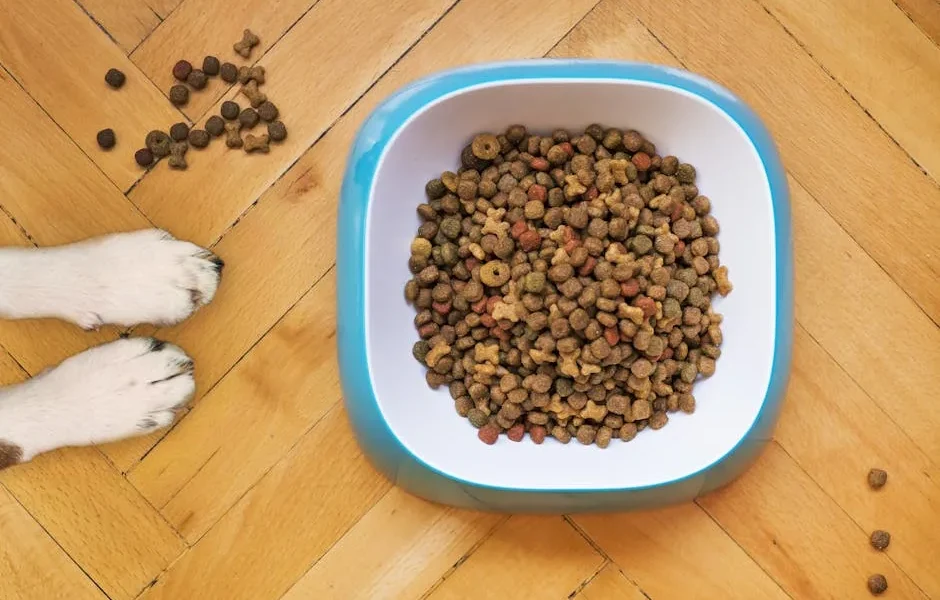
- 95% of homemade pet food recipes have at least one critical nutrient deficiency. This includes recipes made by veterinarians.
- Complete homemade diets need careful supplementation. Pets need calcium, vitamins D and E, and trace minerals. A board-certified veterinary nutritionist should create the diet.
- Homemade feeding can help pets with food allergies. But it costs $3-7 per day for a medium dog. It also takes a lot of time to do safely.
I’ll be honest with you. Every week, I see two or three dogs in my clinic with nutritional problems. These problems come from well-intentioned homemade diets.
Their owners thought they were doing the right thing. They cooked fresh chicken, sweet potatoes, and maybe some green beans. It looks healthy. It smells good.
But six months later, we’re diagnosing serious nutritional problems. Critical nutrients were missing. That’s why I’m writing this guide on Homemade Pet Food Safety: Vet-Approved Recipes & Nutritional Balance Tips 2025.
The gap between what pet owners think is a complete diet and what actually is? It’s huge.
The homemade pet food movement has exploded. Between 15-23% of pet owners now prepare home-cooked meals for their pets at least occasionally. That’s more than double the pre-2020 numbers.
I get it. You want to control exactly what goes into your pet’s bowl. This makes sense, especially with recalls and concerns about commercial pet food quality.
But here’s the uncomfortable truth: most homemade diets fall short nutritionally. Even the ones that seem balanced.
Why Most Homemade Pet Diets Fail Nutritionally
Let me start with important research. A comprehensive UC Davis study analyzed homemade pet food recipes. It found that 95% had at least one essential nutrient deficiency.
Ninety-five percent. That includes recipes created by veterinarians who weren’t specialized in nutrition.
Dogs need approximately 37 essential nutrients in proper ratios. Cats need 42 or more.
AAFCO (Association of American Feed Control Officials) publishes detailed nutrient profiles. These specify minimum and sometimes maximum levels for each nutrient.
Meeting those requirements with whole foods alone? Nearly impossible without expert formulation.
The Calcium-Phosphorus Crisis
The most common deficiency I see is calcium.
Homemade diets without bone meal or appropriate supplements often have calcium-to-phosphorus ratios around 1:10 or worse. Dogs need approximately 1.2:1. Cats need 1:1.
When this ratio is off, you’re looking at potential skeletal problems. Growing puppies can have bone problems. Adults can have bone demineralization.
Muscle meats—chicken breast, ground beef, turkey—are high in phosphorus. But they contain almost no calcium.
Even if you’re including some dairy, you’re nowhere near adequate levels. I’ve diagnosed pathological fractures in dogs whose owners were feeding “high-quality” homemade diets for less than a year.
Beyond Calcium: The Hidden Deficiencies
Vitamin D is another big one.
Unlike humans, dogs and cats can’t synthesize sufficient vitamin D from sunlight. They need dietary sources. In nature, this would come from consuming whole prey animals (organs, bones, skin).
Your homemade chicken and rice? Virtually vitamin D-free.
Then there’s vitamin E. Essential fatty acids in proper ratios (omega-3 to omega-6). Trace minerals like zinc and copper.
For cats specifically, taurine and arachidonic acid are critical. Cats are obligate carnivores. Their nutritional requirements make balancing homemade diets even more challenging than for dogs.
Red Flags in Online Pet Food Recipes
You’ve probably seen them. Beautifully photographed homemade pet food recipes from bloggers, pet influencers, or even well-meaning veterinarians.
How do you evaluate whether they’re actually safe?
Here’s my checklist:
Missing credentials: Was the recipe formulated by a board-certified veterinary nutritionist (DACVN)? As of 2024, there are only 100-120 of us in North America.
If someone claims “veterinarian-formulated,” check if that vet has nutrition certification. Most veterinarians receive minimal nutrition training in school. Maybe one or two courses.
No AAFCO statement: Does the recipe claim to meet AAFCO nutrient profiles? If not, it’s likely incomplete.
And even if it claims to, was it actually analyzed? Anyone can say their recipe is “balanced.”
Missing supplements: Any recipe that doesn’t include a calcium supplement, multivitamin, or directions to consult a nutritionist is automatically suspect.
You simply cannot balance a diet with whole foods alone. You need very specific, calculated combinations.
Too simple: “Just cook chicken, rice, and vegetables” isn’t a complete diet. It might work for a few days during gastric upset. But long-term? You’re courting nutritional disaster.
The Pinterest Problem
I’ve seen devastating cases where owners followed viral recipes for months.
One memorable case involved a young Labrador. The owner fed a grain-free homemade diet heavy in sweet potatoes and peas. The owner was trying to avoid DCM (dilated cardiomyopathy) associated with grain-free commercial foods.
They didn’t realize their homemade version was taurine-deficient. It was actually higher risk.
Pet Poison Helpline reports that 15-20% of their calls relate to food toxicity. Common culprits in homemade preparations? Onions, garlic (yes, even small amounts over time), grapes, raisins, xylitol in peanut butter, and chocolate.
One recipe I saw online included garlic powder “for immune support.” Garlic causes hemolytic anemia in dogs and cats.
When Homemade Diets Actually Make Sense
I don’t want to discourage everyone from home cooking. There are legitimate situations where homemade diets offer real benefits:
Food allergies: When a dog or cat has been diagnosed with specific protein allergies, a homemade diet using a novel protein source can be therapeutic. But it still needs proper formulation.
Inflammatory bowel disease: Some pets with IBD respond better to home-cooked diets than commercial options. This is possibly due to increased digestibility and lack of preservatives. Again, balance is critical.
Picky eaters with medical conditions: Sometimes you have a senior dog with kidney disease who won’t touch prescription diets. A properly formulated homemade renal diet might be your best option.
Owner preference with resources: If you’re committed to working with a veterinary nutritionist, this can work. You need to be willing to follow recipes precisely. You must be able to afford necessary supplements. And you need to have the time.
When It’s Risky Business
Puppies and kittens? High risk.
Their nutritional requirements for growth are incredibly precise. Even small imbalances can cause developmental orthopedic disease, stunted growth, or worse.
Pregnant or lactating pets? Also high risk. Energy and nutrient requirements are substantially elevated. Deficiencies affect both mother and offspring.
Owners without access to nutritionist consultation? I’d recommend sticking with AAFCO-compliant commercial diets. The risk-benefit calculation doesn’t favor homemade in this scenario.
Working With a Veterinary Nutritionist: What to Expect
Finding one of us is the first challenge.
Check the American College of Veterinary Nutrition directory. We’re spread thin. There are 100-120 board-certified nutritionists for 185+ million dogs and cats in North America.
The good news? Telehealth nutrition consultations have exploded since 2020. I do about 60% of my consultations virtually now. You can access specialists regardless of your location.
The Consultation Process
Initial consultations typically cost $200-400. The cost depends on complexity.
You’ll provide your pet’s complete medical history. You’ll share the current diet, any health conditions, activity level, and your feeding goals.
I’ll formulate a custom recipe (or several rotational recipes). It will meet AAFCO nutrient profiles for your pet’s life stage.
You’ll receive detailed instructions. This includes specific ingredients, amounts, preparation methods, and required supplements.
Follow-up consultations are usually recommended at 2-3 months initially. Then every 6-12 months. These cost less, typically $100-200.
We’ll adjust recipes as needed. This is based on your pet’s response, weight changes, or evolving health status.
Digital Tools and Services
Several platforms have emerged to make this process more accessible.
BalanceIT is one I often recommend. They offer a supplement product specifically designed to balance home-cooked diets. They also have recipe formulation tools. PetDietDesigner and others have followed.
Be cautious with AI-powered diet calculators that have launched recently. They’re improving. But nutrition isn’t just about meeting numbers on paper.
Context matters. Your pet’s individual health status matters. Any subclinical conditions matter. Breed-specific considerations matter.
Essential Supplements You’ll Need
Let me be clear: you cannot create a complete and balanced homemade diet without supplementation.
Here’s what you’re typically looking at:
Calcium supplement: Usually calcium carbonate or bone meal. Amount depends on the recipe. We’re often talking several grams daily for a medium dog.
Multivitamin: To cover vitamins A, D, E, B-complex. Human vitamins don’t work. Dosing is wrong and some contain xylitol.
Trace minerals: Zinc, copper, manganese, iodine. Often included in specialized pet multivitamins.
Essential fatty acids: Usually fish oil or algae oil for omega-3s. Dosing matters. Too much can cause problems too.
For cats specifically: Taurine supplementation is often necessary. Cats can’t synthesize adequate taurine. Cooking reduces taurine content in meat.
Supplement Quality Concerns
The FDA issued warnings in 2024 about several pet supplement brands with inaccurate labeling.
Some contained 30-50% less of claimed nutrients than labeled. This is problematic when you’re counting on those supplements to balance a diet.
I recommend supplements that have undergone third-party testing. Look for NSF International or similar certification.
Yes, they cost more. But we’re talking about your pet’s long-term health.
The True Cost of Homemade Feeding
Let’s talk dollars.
Properly balanced homemade pet food typically costs $3-7 per day for a medium dog. Compare this to $2-4 for premium commercial food.
That includes ingredients (quality protein sources, vegetables, carbohydrates if using). It includes required supplements. It includes amortizing the nutritionist consultation cost.
It doesn’t include your time. Meal prep typically takes 2-4 hours per week for batch cooking.
For many of my clients, the cost analysis shifts their decision. If budget is tight, you’re probably better off investing in a high-quality commercial diet. This is better than trying to cut corners on homemade feeding.
A nutritionally deficient homemade diet is worse than a properly formulated commercial diet. Even if the commercial diet isn’t “premium.”
Food Safety and Storage Protocols
You wouldn’t leave raw chicken on your counter for hours, right? Same principles apply to pet food. Maybe even more strictly. You’re often batch cooking and storing for days or weeks.
Preparation: Use separate cutting boards and utensils for pet food prep. Wash thoroughly with hot, soapy water. Consider wearing gloves, especially when handling raw ingredients.
Cooking: Cook meats to safe internal temperatures (165°F for poultry). Some recipes use raw ingredients. If you’re going this route, source extremely carefully. Understand the risks of bacterial contamination.
Storage: Refrigerate immediately after cooling. Use within 3-4 days, or freeze for up to 2-3 months. Portion into meal-sized containers before freezing. This makes thawing easier.
Thawing: In the refrigerator, not on the counter. Plan ahead. Don’t rush the process.
Serving: Many pets prefer food at room temperature. Let refrigerated food sit for 15-20 minutes, or warm slightly. Never microwave with bones. Cooked bones can splinter.
Transitioning Safely to Homemade Food
Abrupt diet changes cause gastric upset. Even when switching to a “healthier” option, go slowly.
Start with 25% new food mixed with 75% old food for 3-4 days. Then 50-50 for another 3-4 days. Then 75% new to 25% old. Finally, full transition by day 10-14.
Monitor stool quality. It’s your best indicator of digestive tolerance.
Soft stool or diarrhea? Slow the transition. Some pets need even more gradual changes. Especially cats. They can be ridiculously finicky about diet changes.
Watch for allergic reactions or food sensitivities. New protein sources can occasionally trigger issues. If you see itching, skin problems, or persistent digestive upset, consult your vet before continuing.
Monitoring Long-Term Health
Even with a properly formulated diet, regular monitoring is essential. I recommend:
- Weight checks every 2-4 weeks initially
- Body condition scoring (your vet can teach you)
- Bloodwork at 2-3 months after starting homemade feeding, then annually
- Be alert for subtle changes: energy level, coat quality, appetite, stool consistency
If you’re seeing any concerns, don’t wait.
Nutritional deficiencies can take months to manifest clinically. But once you’re seeing symptoms, damage has often already occurred.
Similar to how you’d want to recognize when to seek immediate veterinary care, being proactive about nutrition concerns is critical.
2025 Trends and Future Outlook
The landscape is shifting.
The World Small Animal Veterinary Association released updated guidelines in 2024. They emphasize the need for board-certified nutritionist consultation for homemade diets.
Some states are even considering transparency legislation. This would require recipe creators to disclose their credentials. This is a response to several high-profile cases where influencer-created recipes caused serious health issues.
Telehealth has democratized access to specialists like me.
Five years ago, if you lived in rural Montana, accessing a veterinary nutritionist meant traveling hours. Or settling for phone consultations without video.
Now? We can do comprehensive virtual consultations. We can review your kitchen setup. We can even watch you prepare a meal to ensure you’re following the recipe correctly.
AI-powered formulation tools are improving. Though I remain cautiously optimistic. Nutrition isn’t just about meeting nutrient minimums. There’s nuance that algorithms don’t always capture.
But as these tools evolve, they may eventually provide a middle ground. For people who can’t access or afford traditional nutritionist consultations.
Common Misconceptions We Need to Address
“If I use fresh, whole ingredients, it’s automatically complete and balanced.”
No. This is the most persistent and dangerous misconception.
Fresh and whole doesn’t equal complete. Would you expect to meet all your nutritional needs eating only chicken breast, broccoli, and rice? Probably not.
Pets are no different. They need diverse nutrients in specific ratios.
“Chicken and rice is fine long-term since my vet recommended it for upset stomach.”
Chicken and rice is a bland diet for temporary gastric upset. Maybe 3-5 days max.
It’s deliberately simple and low-fiber to rest the GI tract. It is absolutely not nutritionally complete for long-term feeding.
I’ve seen cases where owners fed this for months. They thought “the vet said chicken and rice.” They didn’t understand the context.
“Commercial pet food caused my dog’s health problems, so homemade must be safer.”
Sometimes commercial diets do cause problems. Grain-free DCM was real. Recalls happen.
But an improperly balanced homemade diet is virtually guaranteed to cause problems eventually.
The question isn’t commercial versus homemade. It’s properly formulated versus improperly formulated.
“I can just follow recipe ratios and substitute ingredients.”
Nope. Nutrient profiles vary wildly between proteins and ingredients.
Substituting beef for chicken isn’t neutral. Different fat content. Different amino acid profiles. Different mineral content.
Every substitution changes the nutritional analysis. If you need to substitute, go back to your nutritionist for recipe adjustment.
Special Considerations for Specific Conditions
Certain medical conditions make homemade feeding either more beneficial or more risky. Let me walk through a few:
Kidney disease: Homemade renal diets can be excellent when properly formulated. We’re typically reducing phosphorus and protein. While ensuring high-quality protein sources.
But this is complex. Getting it wrong accelerates disease progression.
Just like with managing feline diabetes, kidney disease requires precise nutritional management.
Food allergies: This is where homemade shines. Once we’ve identified allergenic proteins through proper elimination trials, a homemade diet using novel proteins offers excellent control.
But you need true elimination diet protocols. Not guessing.
Cancer: Nutritional support during cancer treatment is nuanced. Some oncologists recommend higher fat, moderate protein diets. Others have different approaches.
If your