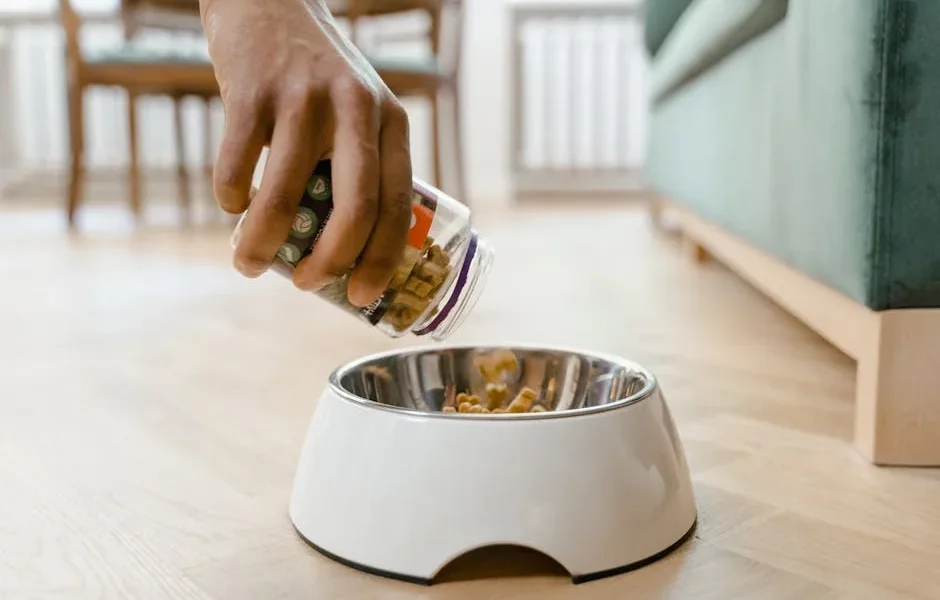
- Dental Health Through Diet: How Pet Food Choices Impact Oral Hygiene in Dogs & Cats 2025 matters. Why? Because 80-85% of dogs and 70% of cats over age 3 have periodontal disease. Nutrition is a critical preventive tool.
- Dry kibble provides modest mechanical cleaning (10-15% abrasion). But diet alone cannot replace brushing or professional cleanings. It’s one layer in a comprehensive oral health strategy.
- Prescription dental diets work better than regular food. They have specialized kibble design and active ingredients like sodium hexametaphosphate. These can reduce tartar by 40-50%.
- Look for the Veterinary Oral Health Council (VOHC) seal. This seal means products have met clinical standards for plaque and tartar control.
I’ll be honest. When I started my nutrition residency, I thought dental health was mostly about toothbrushes and anesthesia. Diet felt like a footnote.
Then I spent three months reviewing oral microbiome studies. I watched how different food textures interacted with dog and cat teeth under high-speed video. Turns out? What goes in the bowl matters more than most pet owners realize. It matters more than plenty of general practice vets realize too.
Not as much as brushing, sure. But enough that ignoring it leaves money on the table. Or more accurately, leaves tartar on the teeth.
The question isn’t whether diet affects dental health. It does. The real question is how much. And which specific dietary choices actually work versus which ones are expensive placebos wrapped in marketing copy.
The Current State of Pet Dental Disease: Why This Matters
Let’s ground this in reality. About 80-85% of dogs over age three show clinical signs of periodontal disease. About 70% of cats do too. That’s not a typo.
It’s the single most common medical condition I see in companion animals. More prevalent than obesity. More common than skin allergies.
And it’s not just cosmetic. Advanced periodontal disease creates systemic inflammation. It seeds bacteria into the bloodstream. It correlates with kidney, liver, and cardiac pathology down the line.
The average dental cleaning under anesthesia costs $300-$1,500. This depends on your region and the severity of disease. Many pets need this annually or biannually once disease is established.
For pet owners already managing tight budgets (and who isn’t in 2025?), that’s a significant recurring expense.
Preventive dietary strategies won’t eliminate the need for professional care. But they can extend intervals between cleanings. They can reduce disease severity.
Here’s what surprises people: unlike humans, dogs and cats rarely develop cavities. Their saliva pH is different. Their oral bacteria favor different metabolic pathways. And they don’t snack on candy bars between meals.
The primary dental concern isn’t caries. It’s periodontal disease driven by plaque accumulation and calculus (tartar) formation along the gumline.
This distinction matters. It changes which dietary interventions actually work.
Dry Food vs. Wet Food: Separating Fact from Fiction
The “kibble cleans teeth” narrative is probably the most persistent myth in pet nutrition. And like most myths, it contains a kernel of truth wrapped in oversimplification.
Dry kibble does provide mechanical abrasion. Studies show about 10-15% more tooth surface contact compared to wet food.
But here’s the problem: that abrasion happens primarily on the tips of teeth during the chewing motion. Periodontal disease starts at the gumline. In the sulcus where tooth meets gum tissue.
Standard kibble doesn’t reach there. It’s like claiming you’ve cleaned your entire house because you wiped the kitchen counter.
Wet food advocates aren’t entirely right either, though. Some argue that moisture-rich diets promote healthier oral microbiomes. Or that avoiding dry food prevents tooth fractures.
The microbiome claim lacks solid evidence in current literature. The fracture risk is real—but it’s associated with bones and hard chew objects, not commercial wet foods.
So where does that leave us?
For a typical adult dog or cat without existing dental disease, the kibble-versus-wet question probably matters less than you think. Neither format is a magic bullet. Both require supplemental oral hygiene.
The difference maker is what’s in the food and how it’s designed. Not just its moisture content.
When Texture Actually Matters: Prescription Dental Diets
Now we’re getting somewhere interesting.
Prescription dental diets from companies like Hill’s, Royal Canin, and Purina Pro Plan Veterinary Diets aren’t just bigger kibbles. Though size is part of the design.
These products use what’s called “fiber matrix technology.” The kibble structure is engineered to resist shattering. This forces the tooth to penetrate deeper into the piece before it breaks. This creates a mild brushing action along more of the tooth surface. Including areas closer to the gumline.
Clinical trials show these diets reduce calculus formation by 40-50% over 28-day periods. Compared to standard maintenance foods, that’s not trivial.
In my clinical experience, dogs and cats maintained on these diets typically show less accumulated tartar at their annual exams. Though they still accumulate some. And they still need professional cleanings eventually.
Are they worth the premium price? That depends on your pet’s risk factors.
Small breed dogs, brachycephalic breeds (think pugs, Persians), and animals with existing periodontal disease are 2-3x more likely to develop severe dental problems. For these patients, I often recommend prescription dental diets as part of a broader prevention strategy.
For a young, large-breed dog with good oral health and regular brushing? Maybe not necessary.
If you’re unsure whether specialized care makes sense for your pet’s situation, understanding what specialized veterinary services look like can help you make informed decisions.
Active Ingredients That Actually Work
This is where nutrition science gets genuinely useful. Several compounds have legitimate evidence backing their dental health claims:
Sodium Hexametaphosphate (HMP)
This is probably the most well-studied dental active in pet food.
Sodium hexametaphosphate binds calcium in saliva. This prevents it from mineralizing plaque into hard tartar. Think of it as intercepting the construction materials before the cement sets.
Studies show 20-35% tartar reduction when HMP is incorporated into kibble coatings or treats. The Veterinary Oral Health Council (VOHC) has accepted multiple products containing this ingredient.
Polyphosphates
Similar mechanism to HMP. These compounds chelate calcium and interfere with calculus formation.
They’re stable in dry food and treats. This makes them practical for commercial formulations.
Zinc Compounds
Zinc salts can help control plaque bacteria and reduce oral malodor.
The effect is modest compared to mechanical cleaning. But it’s measurable in controlled studies.
Enzymatic Ingredients
Glucose oxidase and lactoperoxidase are enzymes. They generate antimicrobial compounds in the oral cavity.
Some dental diets and water additives incorporate these. Evidence is promising but less robust than for polyphosphates. This is an area where we need more long-term studies.
Ascophyllum Nodosum (Seaweed)
This one’s gained popularity recently. Manufacturers claim 30-50% tartar reduction.
There are some positive studies. But many were industry-funded and relatively short-term.
I’m cautiously optimistic. But I want to see more independent research before I get too enthusiastic. It’s not going to hurt—seaweed is generally safe. But whether it delivers on the marketing hype remains somewhat open.
The Raw Diet Question: Bones, Benefits, and Broken Teeth
Let’s address the elephant in the room. Or rather, the chicken neck in the bowl.
Raw feeding advocates often cite “natural dental cleaning” from bones as a major benefit. And yes, gnawing on bones does provide mechanical abrasion. Some raw-fed pets maintain impressively clean teeth.
But we need to talk about the downsides. Because they’re significant.
Tooth fractures occur in 10-15% of dogs regularly given recreational bones. Slab fractures of the fourth premolar are especially common. I’ve seen dozens.
These require extraction or root canal therapy. Both are expensive and require anesthesia. Broken teeth hurt. They become infected.
The “dental benefits” of bones become a net negative when you factor in fracture risk.
Moreover, controlled studies comparing raw diets to prescription dental diets show no significant advantage. No advantage in reducing gingivitis markers or periodontal disease progression.
The mechanical cleaning happens, sure. But it doesn’t outperform properly formulated commercial dental diets. And it comes with much higher risk of complications.
My take? If you’re committed to raw feeding for other reasons, that’s between you and your primary care vet. But don’t choose raw for dental health. There are safer, more effective options.
What About Treats and Chews?
Dental treats are a booming market. Walk down any pet store aisle and you’ll see dozens of products. They claim to freshen breath, reduce plaque, or “clean teeth naturally.”
Some of these claims hold water. Many don’t.
Your best tool here is the VOHC seal. The Veterinary Oral Health Council reviews products based on clinical studies. They award their seal to those that meet specific standards for plaque or tartar control.
If a treat has the VOHC seal, you can trust it has evidence behind the claim. If it doesn’t, treat marketing language with healthy skepticism.
Popular VOHC-accepted products include certain formulations of Greenies. OraVet chews (which contain a film-forming polymer that prevents plaque adhesion). And specific rawhide products with enzyme coatings.
These aren’t miracle solutions. But they contribute to a layered prevention approach.
One caution: treats add calories. If you’re giving your dog a large dental chew daily, you need to reduce meal portions accordingly.
I’ve seen pets gain significant weight because owners didn’t account for treat calories. Obesity creates its own health problems that overshadow any dental benefits.
Life Stage and Breed Considerations
Dental health needs change across a pet’s lifespan.
Puppies and kittens are establishing their oral microbiomes. They’re developing chewing habits. This is the time to introduce texture variety and positive experiences with oral care. Both diet-based and manual (yes, brushing).
Adult pets benefit most from consistent preventive strategies. This is when prescription dental diets make the most impact if you’re going to use them.
Senior pets often have established periodontal disease. They may have lost teeth or developed oral pain. For these animals, I sometimes prioritize soft diets that don’t exacerbate discomfort. We manage underlying disease with professional cleanings.
The dental-cleaning benefits of kibble become less relevant when a cat has severe gingivostomatitis. Or a dog is missing half its premolars.
Breed matters, too. Small breed dogs and brachycephalic breeds have crowded dentition. They have altered jaw mechanics that predispose them to rapid tartar accumulation regardless of diet.
These patients need aggressive prevention. Multiple modalities working together.
If your pug is showing early signs of dental issues or you’re noticing behavioral changes, it’s worth understanding whether certain behaviors might signal discomfort or other underlying issues.
Can Diet Replace Brushing? (Spoiler: No)
Let me be crystal clear about this: no dietary intervention replaces mechanical plaque removal.
Not prescription kibble. Not seaweed supplements. Not raw bones. Nothing.
Daily brushing with veterinary toothpaste remains the gold standard for home dental care. Studies consistently show that brushing reduces plaque and gingivitis scores by 60-70%. Far more than any food.
Diet enhances brushing. It doesn’t substitute for it.
I know brushing is hard. Many cats hate it. Some dogs won’t tolerate it. Owners have busy lives and brushing falls off the to-do list. I get it.
In those real-world scenarios, optimizing diet becomes more important. Because it’s passive prevention. You feed your pet anyway. Might as well choose a food that provides some dental benefit while you’re at it.
But if you can brush? Even three times a week? That’s your first priority.
Add a dental diet as layer two. Use VOHC-approved treats as layer three. Get professional cleanings as needed.
That’s the complete stack.
How to Evaluate Pet Food Labels for Dental Claims
Marketing departments love dental health claims. They resonate with pet owners. “Clinically proven to reduce tartar!” “Naturally cleans teeth!” “Dentist-recommended formula!”
Some of these are legitimate. Others are… creative interpretation of loose data.
Here’s your cheat sheet:
- VOHC seal: This is your gold standard. If it’s there, the product has met clinical standards. Trust it.
- “Helps reduce tartar” without VOHC seal: Probably means the kibble is crunchy. May have minimal effect. Could be marketing fluff.
- Listing specific actives (sodium hexametaphosphate, polyphosphates, enzymes): Better than vague claims. Check if concentrations are meaningful.
- “Natural cleaning action”: Almost meaningless. Any crunchy food has “natural cleaning action” if you define it loosely enough.
- “Veterinarian recommended”: Some vet somewhere probably recommended it. This doesn’t indicate clinical evidence. It’s not regulated language.
When in doubt, look for the VOHC seal. Or ask a board-certified veterinary nutritionist.
Actually, if you’re struggling to find reliable guidance on pet nutrition generally, knowing how to locate a veterinary nutrition specialist can be incredibly valuable.
2025 Innovations and What’s Coming
The pet food industry is evolving rapidly. Several trends are reshaping how we think about dental health through diet:
Probiotic dental formulations: Multiple brands now incorporate specific bacterial strains. Lactobacillus acidophilus, Pediococcus acidilactici. These are aimed at shifting oral microbiome balance toward health-promoting species.
Early studies are intriguing. But we need more long-term data. I’m watching this space closely.
Personalized nutrition platforms: AI-driven services analyze your pet’s breed, age, health history, and dental status. They recommend specific foods. These are becoming mainstream.
Companies like Just Right and Nom Nom have rolled out features. They factor dental disease risk into their algorithms. The technology is impressive. Whether the recommendations are meaningfully better than consulting with a veterinary nutritionist is debatable.
Water additives with clinical backing: We’ve had dental water additives for years. But many lacked robust evidence. Now we’re seeing products with actual clinical trials demonstrating plaque reduction.
Some contain enzymes. Others use zinc salts or chlorhexidine. This is a low-effort intervention that can complement dietary strategies.
Expanded VOHC product list: The VOHC updated their accepted products roster significantly in 2024-2025. More options now carry the seal. This gives consumers greater choice within the evidence-based category.
Warning Signs Your Current Diet Isn’t Cutting It
How do you know if your pet’s diet is failing to support adequate dental health? Watch for these indicators:
- Visible tartar accumulation on canine teeth or along molars (yellow-brown deposits)
- Persistent bad breath that doesn’t improve after eating
- Red, inflamed gumlines (healthy gums should be pale pink)
- Reluctance to eat dry food or chew on toys (may indicate oral pain)
- Pawing at the mouth or excessive drooling
- Bleeding from gums during or after eating
If you’re seeing these signs, dietary optimization alone won’t fix established disease.
Your pet needs a professional dental evaluation. Often including full-mouth radiographs under anesthesia.
After treatment, then you implement an aggressive preventive strategy. This includes an appropriate diet.
Many owners worry about recognizing health issues early. While dental concerns are often visible, understanding what routine diagnostics can tell you about your pet’s overall health helps catch problems before they become critical.
The Economics of Prevention
Let’s talk money for a moment. Because dental care is expensive. And many pet owners face genuine financial constraints.
A prescription dental diet costs roughly $70-90 for a 25-pound bag. Prices as of early 2025. That’s perhaps $20-30 more per month than a quality mainstream food.
Over a year, you’re looking at $240-360 in additional food costs.
A professional dental cleaning runs $300-1,500. This depends on disease severity and geographic location. Extractions add $50-200 per tooth.
If dietary prevention extends the interval between cleanings from annually to every 18-24 months, you break even or come out ahead financially. That’s a realistic expectation based on clinical studies.
Plus your pet experiences less disease. Less pain. Less systemic inflammation.
Even if cost is tight, investing in VOHC-approved treats or adding a dental water additive ($15-25/month) can provide some benefit.
It’s about layering whatever prevention you can afford.
And if money is a major concern, understanding different financial strategies for managing veterinary costs can help