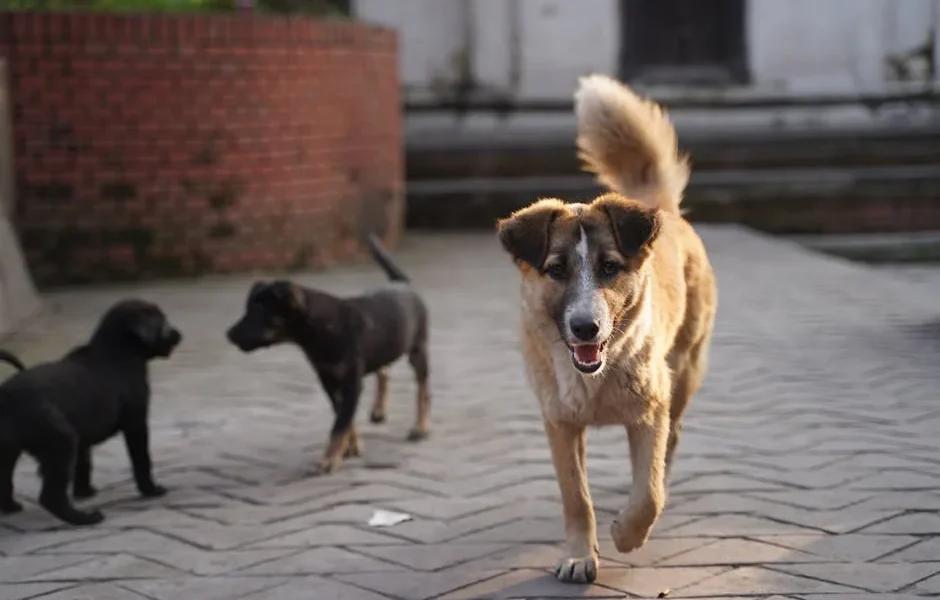
- Sudden aggression is almost always a medical issue first. Pain, hormone problems, and brain conditions cause 80% of cases.
- Dogs don’t become aggressive “for no reason.” There’s always a trigger, even if you can’t see it right away.
- See your vet early. Medical problems that aren’t treated can get worse fast. They can become safety risks for your family.
- Many dogs with sudden aggression can get better. With the right diagnosis and treatment, they can go back to being their normal, loving selves.
I’ll never forget the call from Mrs. Patterson. Her sweet Golden Retriever, Bailey, had just snapped at her grandson. This was totally out of character for a dog who’d been the family’s gentle giant for six years.
“Why is my dog suddenly aggressive? A vet’s guide to behaviour changes” became the most important talk we had that week. What we discovered likely saved Bailey from being rehomed. Turns out, he had a badly infected tooth. It was causing terrible pain every time the toddler patted his head.
If your dog has suddenly become aggressive, you’re probably scared and confused. You’re wondering if you can trust your pet anymore.
Here’s what you need to know: sudden aggression is rarely about a “bad dog.” It’s a distress signal. Your dog needs your help to figure out what’s wrong.
Why Sudden Aggression Demands Immediate Attention
When a friendly dog develops aggression, it’s not just a behavior problem. It’s a medical emergency until proven otherwise.
Here’s why this matters so much.
Dogs can’t tell us when something hurts. They can’t tell us when they’re feeling off. Aggression is often their only way to communicate distress.
Research shows that about 80% of sudden aggression cases have a medical cause. Most commonly, it’s pain.
Think about it: when you have a splitting headache or aching back, aren’t you a bit snappier with people who get in your face?
The stakes are high. An aggressive dog poses safety risks to family members. This is especially true for children and elderly relatives.
But rushing to rehome or euthanize without investigating means you might be giving up on a treatable problem. I’ve seen countless cases where simple pain management or thyroid medication completely resolved aggression issues.
There’s also a time element. Some conditions causing aggression require immediate help. These include brain tumors, fast-moving infections, or toxic exposures.
Waiting weeks to “see if it gets better” can make treatment harder or impossible.
Step 1: Ensure Everyone’s Safety Right Now
Before we dive into diagnosis, let’s talk about immediate safety. This isn’t about punishment. It’s about preventing injury while you work on solving the problem.
Create physical separation between your dog and potential targets. Use baby gates, crates, or separate rooms.
If your dog has snapped at children, those kids should not interact with the dog. Not until you’ve identified and addressed the cause. Period.
Avoid triggers you’ve identified. If your dog growls when you touch their hind legs, stop touching their hind legs.
If they’re reactive around food bowls, feed them in isolation. You’re not “giving in” to bad behavior. You’re preventing escalation and bites while investigating.
Consider a basket muzzle for necessary interactions like vet visits. Muzzles aren’t cruel. They’re safety tools that allow your dog to receive care without anyone getting hurt.
Get your dog comfortable with the muzzle at home first. Use positive associations with treats.
Never punish aggressive behavior. Yelling, hitting, or using harsh training methods on a dog who’s already distressed will make things much worse. It can trigger a serious bite.
Step 2: Document Everything About the Aggressive Episodes
Your veterinarian needs detailed information to solve this puzzle. Start keeping a behavior log immediately. It’s more valuable than you might think.
Record when the aggression happens. Time of day matters.
A dog who’s only aggressive in the evening might have pain that worsens with activity throughout the day. Morning aggression might relate to stiffness from arthritis after sleeping.
Note exactly what triggered each incident. Was someone touching a specific body part? Approaching the dog’s food or resting spot? Making sudden movements? Walking past a window?
The pattern reveals crucial clues.
Describe the type of aggression. Does your dog growl as a warning, or snap without any warning signs?
Do they bite and hold, or bite and release? Is there actual contact, or is it mostly air-snapping?
These details indicate different underlying issues.
Track any other behavioral changes, even subtle ones. Is your dog sleeping more? Eating differently? Avoiding stairs? Seeming confused?
These additional signs point toward medical causes. They help your vet know which tests to prioritize.
Step 3: Schedule a Comprehensive Veterinary Examination
This isn’t a “wait and see” situation. Call your vet the same day the aggression starts. Or within 24 hours at most.
When you book, specifically mention the behavior change. Many clinics will prioritize these cases.
Your vet should perform a thorough physical examination. I mean thorough.
We’re talking about checking every joint. Examining the entire mouth (sometimes under sedation). Checking ears, eyes, and skin. And doing a complete neurological assessment.
Pain can hide in surprising places.
Expect comprehensive bloodwork. A complete blood count (CBC) and chemistry panel will screen for infections, organ problems, and metabolic issues.
Thyroid testing is essential. Hypothyroidism is a frequently overlooked cause of aggression. It affects about 1 in 500 dogs.
If your vet offers in-house lab testing, you might get preliminary results the same day.
Be prepared to discuss imaging. X-rays can reveal arthritis, dental abscesses, and some tumors.
For neurological concerns, your vet might recommend advanced imaging like CT or MRI scans. These require referral to a specialty hospital.
Don’t be afraid to ask questions. If your vet dismisses the behavior as “just behavioral” without running tests, that’s a red flag.
While it’s possible the cause is purely behavioral, ruling out medical issues is step one.
If you’re not confident in your vet’s approach, consider whether it’s time to find a different clinic.
Step 4: Investigate Pain as the Primary Suspect
Pain deserves its own step. That’s because it’s so common as an aggression trigger.
Dogs are masters at hiding discomfort until it becomes unbearable. It’s a survival instinct from their wolf ancestors.
Arthritis affects more than half of dogs over age seven. Many cases go undiagnosed.
A dog with painful hips might snap when a child tries to climb on them. Shoulder pain might cause aggression when you put on a harness. Neck pain might make them growl when you reach for their collar.
Dental disease is another huge culprit. This is especially true in smaller breeds and senior dogs.
An abscessed tooth or severe gingivitis causes constant, throbbing pain. When you pat your dog’s head or a child hugs them, the vibration intensifies that pain.
The American Veterinary Dental Association estimates that 80% of dogs show signs of dental disease by age three. Diet plays a significant role in oral health. But sometimes professional dental care is necessary.
Ear infections cause both pain and altered sensory perception. A dog with an ear infection might not hear you approaching. They might startle aggressively when you suddenly appear.
Or they might guard their head because touching it hurts.
Internal pain is harder to identify but just as significant. This includes pain from gastrointestinal issues, urinary tract infections, pancreatitis, or cancer.
Your vet might prescribe a trial course of pain medication. This helps see if the aggression improves. If it does, you’ve found your answer.
Step 5: Consider Age-Related and Neurological Causes
The age of your dog dramatically affects the likely causes of sudden aggression. Some neurological conditions can strike at any age.
For senior dogs (typically 7+ years), cognitive dysfunction syndrome becomes increasingly likely. This is essentially canine dementia. It affects 14-35% of dogs over age eight.
Dogs with cognitive decline may become disoriented, anxious, and aggressive when confused. They might not recognize family members in certain contexts. Or they might become aggressive when startled awake.
Vision and hearing loss in older dogs can trigger fear-based aggression. A dog who can’t hear you coming or see clearly might react defensively when suddenly touched.
This isn’t meanness. It’s fear.
Brain tumors do occur more commonly in older dogs and certain breeds. These include Boxers, Golden Retrievers, and Boston Terriers.
While rare (less than 2% of cases), tumors can cause personality changes, disorientation, seizures, and unprovoked aggression.
Seizure disorders sometimes present with behavioral changes before or after the actual seizure event. Some dogs experience “post-ictal” aggression.
This is confused, disoriented behavior following a seizure. Owners might not have witnessed the seizure.
Rage syndrome is a controversial diagnosis but does appear to exist in certain breeds. It’s particularly noted in English Springer Spaniels.
It’s characterized by sudden, explosive, unprovoked aggression with glazed eyes. The dog then seems confused about what happened. This is neurological, not behavioral.
Step 6: Evaluate Environmental and Social Triggers
Once medical causes are ruled out (or while treating them), examine what’s changed in your dog’s world. Dogs are incredibly sensitive to environmental shifts.
Has your household routine changed recently? New work schedule, new baby, visiting relatives, or a move to a new home?
These stressors can trigger anxiety-based aggression. This is especially true in dogs already predisposed to anxiety.
Have you added or lost a pet? Dogs form complex social bonds.
A new puppy might stress an older dog past their tolerance point. The death of a companion animal can cause grief-related behavioral changes.
Look at sensory changes in the environment. Construction noise, new electronic devices, changes in lighting can all cause stress.
These can stress dogs in ways we don’t always recognize.
Consider resource guarding that’s escalated. If your dog has always been slightly possessive of food or toys but it’s suddenly intensified, that might indicate increased anxiety.
Or pain might be making them more defensive of valuable resources.
Step 7: Explore Treatment Options Based on Diagnosis
Treatment depends entirely on the underlying cause. That’s why proper diagnosis is so critical.
Treating behavioral aggression when the real cause is a brain tumor won’t work. And vice versa.
For pain-related aggression, effective pain management often resolves the problem completely. This might include NSAIDs for arthritis, antibiotics for infections, dental work, or other targeted treatments.
You should see improvement within days to weeks if pain is the sole cause.
Hormonal imbalances like hypothyroidism require lifelong thyroid supplementation. The good news? Once thyroid levels normalize, behavioral changes often improve dramatically.
Cognitive dysfunction syndrome can be managed with medications like selegiline. Environmental enrichment and routine modifications also help.
You won’t cure dementia. But you can slow progression and improve quality of life.
For fear-based or anxiety-driven aggression with no medical cause, behavioral medication combined with professional behavior modification provides the best outcomes.
Medications include fluoxetine or trazodone. Work with a veterinary behaviorist or certified applied animal behaviorist. Not just any dog trainer.
Some cases require multimodal approaches. A dog with both arthritis pain and anxiety needs pain medication, anti-anxiety medication, and behavioral modification work.
Common Mistakes to Avoid
The biggest mistake? Assuming it’s “just behavioral” without medical workup.
I can’t stress this enough. Test first, train second.
Don’t delay the vet visit hoping things improve. Aggression rarely resolves spontaneously. The underlying cause might be worsening.
Avoid punishment-based training methods. Shock collars, alpha rolls, or “dominance” techniques on an aggressive dog are dangerous and unethical.
They suppress warning signs without addressing causes. This makes a dog more likely to bite without warning next time.
Don’t let children “make up” with the dog. Don’t let them try to “show the dog they’re not afraid.” This is how bites happen.
Adults manage the situation until it’s genuinely resolved.
Stop listening to people who say “you just need to be the pack leader” or “show them who’s boss.” That’s outdated, disproven nonsense that causes harm.
Don’t discontinue medications prematurely. If your vet prescribes a two-week trial of pain medication, complete the full course.
Even if improvement happens quickly, you need to confirm that was the cause.
Helpful Tips for Managing the Situation
Video record aggressive episodes if you can do so safely. Watching the incident helps your vet understand what’s happening.
Note what happened in the 30 seconds before the aggression. That’s where triggers hide.
Find a veterinary behaviorist if the case is complex. These are veterinarians with additional specialized training in behavioral medicine.
They can prescribe medication and develop treatment plans regular vets might not be equipped to handle.
Join support groups for owners dealing with aggressive dogs. You’re not alone. Learning from others’ experiences helps.
Just be careful about taking training advice from unqualified sources.
Maintain your own safety and wellbeing. This is stressful. It’s okay to feel overwhelmed. It’s okay to ask for help.
It’s okay to make difficult decisions if your dog genuinely cannot be helped and poses serious safety risks.
Keep detailed records of all treatments and their effects. This information becomes valuable if you need specialist referrals. Or if the situation ends up in liability concerns.
Consider emergency preparedness training so you’re ready if your dog’s condition deteriorates or if a serious bite occurs.
Final Thoughts
Sudden aggression in dogs is terrifying for everyone involved. Including the dog.
But remember Bailey, the Golden Retriever from the beginning? After dental surgery and pain management, he went back to being the gentle giant the family loved.
That outcome is possible for many dogs experiencing sudden behavior changes.
Your next steps are clear. Ensure immediate safety. Document the behavior thoroughly. Schedule a comprehensive veterinary examination as soon as possible.
Don’t wait. Don’t make excuses. Don’t blame yourself or your dog.
Focus on finding the cause and addressing it. The dog you love is still in there. They’re just hurting or scared or sick. They need your help to feel safe again.
With proper veterinary care, many cases of sudden aggression can be resolved or managed successfully. This can give you back the companion you thought you’d lost.
Sources & Further Reading
- American Veterinary Medical Association — Canine Behavior Resources including aggression statistics and management guidelines
- Cornell University College of Veterinary Medicine Behavior Clinic — Research-based information on behavioral medicine and sudden aggression causes
- Veterinary Information Network — Comprehensive veterinary-authored articles on dog aggression and behavior changes
- American Kennel Club — Expert veterinary advice on types of dog aggression and when to seek help
