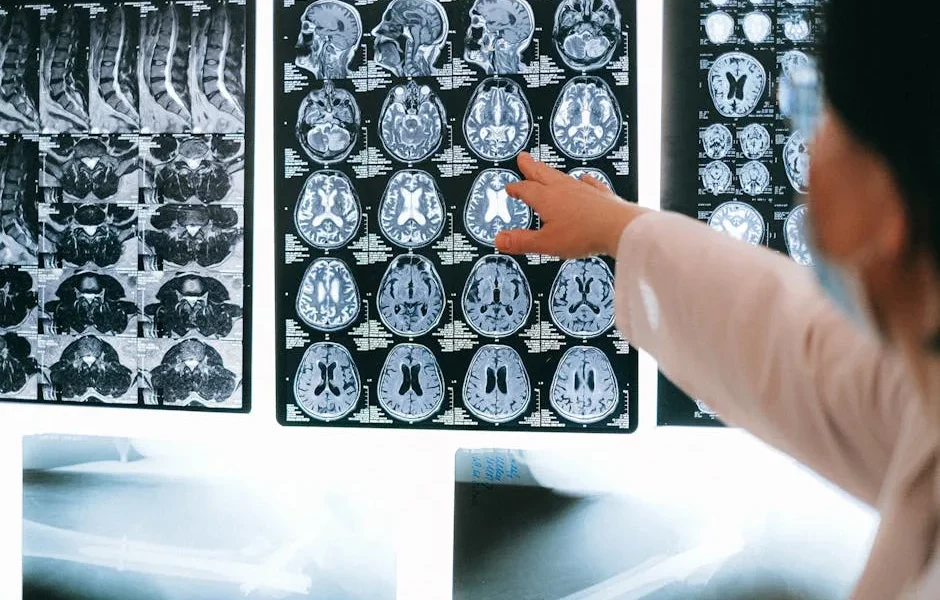
- Vet imaging costs in 2025: Ultrasounds cost $300-$600. MRIs cost $2,000-$5,000. Most pet insurance covers 70-90% after you pay your deductible.
- Most pet insurance plans need approval before MRI and CT scans. They have yearly limits of $5,000-$15,000 for tests.
- Mobile imaging services and vet schools can cut costs by 15-25%. These options are cheaper than specialty hospitals.
I’ll never forget when my colleague called me into the exam room. She looked worried. A Golden Retriever named Max was on the table. He was six years old and very sweet. Max had been having seizures for three weeks. His owner, Janet, sat wringing her hands. We talked about the next step: an MRI to check for a brain tumor. I told her the cost could reach $3,000. Her face fell. “I thought my insurance would cover this,” she whispered.
This happens all the time. That’s why you need to understand vet imaging costs and insurance coverage before you face this choice.
The Real Price of Seeing What’s Inside
Here’s what most pet owners don’t know: pet imaging isn’t like human healthcare. You usually pay the full cost first. Then you ask your insurance for money back later.
There are three main types of imaging. Each has a very different price.
Ultrasounds are the cheapest option. They cost $300-$600 for standard scans. I recommend these a lot. They help us look at organs, check pregnancies, and find masses. They don’t hurt your pet. Most pets don’t need anesthesia. We can see images in real time.
CT scans cost more. They run $1,000-$2,500 per scan. They’re great for looking at bones and chest problems. They give us detailed cross-section images. But your pet needs to be sedated or put under anesthesia. That adds another $200-500 to your bill. The size of your pet matters too. Scanning a Chihuahua costs less than scanning a Great Dane.
MRIs cost the most. They range from $2,000-$3,500 for regular appointments. Does your pet need emergency imaging after hours? Then you’re looking at $4,000-$5,000. MRIs show amazing detail of soft tissues. They’re the best for brain and spinal cord problems. They’re worth the money when we need them. But that doesn’t make the bill easier to pay.
The Hidden Costs Nobody Mentions
That price tag? It’s rarely the whole story.
Most regular vets don’t have MRI or CT machines. That means sending you to a specialty hospital. That’s another $150-300 just for the consultation. Then there’s the fee for reading the images. A specialist charges $100-300 to look at your pet’s scan and write a report. This has become standard practice. It helps with accuracy. But it increases your final cost.
Where you live matters a lot. Vet centers in big cities cost more. Places like New York, Los Angeles, or San Francisco charge 20-30% more than rural clinics. The same procedure costs different amounts. A CT scan might cost $1,200 in rural Iowa. That same scan could cost $1,800 in downtown Chicago.
What Your Pet Insurance Actually Covers
Janet’s confusion about insurance was normal. Pet insurance policies are hard to understand.
Good plans usually pay back 70-90% of imaging costs. But only after you’ve paid your deductible. Sounds great, right? But here’s the catch: most insurance companies need approval before MRI and CT scans. That means calling them first. You need approval before the procedure. They have to agree it’s medically necessary. Ultrasounds usually don’t need approval first. That’s one reason I often start with those.
Accident-only plans are tricky. They’ll cover imaging if your dog got hit by a car. But seizures that need an MRI? Not covered. That’s because seizures are an illness, not an accident.
Annual limits are very important. Most policies have caps of $5,000-$15,000 per year for diagnostic tests. One MRI could use up a third of that limit. Don’t forget waiting periods either. Most are 14-30 days from when you buy the policy. If your pet needs imaging during that time, you pay everything.
Real Examples of Insurance Coverage
Let’s look at an example.
You have a policy with a $500 deductible. It covers 80%. Your dog needs a $2,500 CT scan. You pay the full $2,500 upfront. Then you submit your claim. The insurance does the math: $2,500 minus your $500 deductible equals $2,000. They pay back 80% of that $2,000. They send you a check for $1,600. Your actual cost: $900. Not the $500 you might have thought.
About 42% of pet owners delay or say no to recommended imaging. Most of them have no insurance. Or they have accident-only plans that won’t cover medical tests.
Finding More Affordable Options
You do have some choices. Good alternatives exist if you know where to look.
Mobile imaging services are starting to appear in big cities. They bring CT and sometimes MRI machines to vet clinics. They’ve cut costs by 15-25%. They save money because they don’t have big buildings to pay for. If your vet mentions this, take it.
Vet teaching hospitals are great for affordable care. Universities with vet programs often charge 30-50% less. Students are learning, but they have close supervision. The trade-off is time. Appointments take longer. You might wait weeks for a slot. But for non-emergency cases, this can save you thousands.
More regular vet offices are buying their own CT scanners. This became a big trend in 2024-2025. This removes referral fees. It can cut costs by 10-20%. When looking for a new vet, ask if they have imaging equipment. It’s worth knowing before you need it.
Payment plans through services like CareCredit and ScratchPay are common now. Most vet hospitals offer these. They help owners say yes to needed procedures. Interest-free periods usually last 6-12 months if you qualify. Some clinics also offer their own payment plans. Terms vary a lot. Always ask before you think you can’t afford something.
When Imaging Is Actually Necessary
Not every imaging recommendation is urgent. This is where you need to speak up for yourself and your pet.
Sometimes we’re being extra careful. Sometimes it’s truly urgent.
MRIs are required for unexplained seizures, sudden paralysis, suspected brain tumors, or complex spinal problems. There’s no other way to see what we need to see. CT scans are essential for trauma cases, cancer staging, and complicated bone problems when we’re planning surgery. Ultrasounds help us find organ disease, locate internal masses, and guide biopsies.
But here’s the thing. It’s okay to ask your vet: “Is this imaging needed right now? Or can we try treatment first and see how my pet does?” Sometimes we need to see what’s happening immediately. Other times, we can take a step-by-step approach. We can start with cheaper tests. Or even try treatment first.
I’ve had clients ask me this. I respect them more for it. It means they’re engaged. They’re thinking. They want to make good decisions. That’s exactly the relationship we should have. If you’re not comfortable with your vet’s answer, get a second opinion. That’s always reasonable. You might find our article on veterinary referral centers vs general practice costs helpful when deciding where to get imaging.
Questions to Ask Before Saying Yes
Before agreeing to expensive imaging, ask your vet these questions:
What are we looking for? What will we do differently based on what we find? Are there cheaper alternatives? What happens if we don’t do this test? Can we start with a simpler test first?
These aren’t rude questions. They’re smart ones. They help you understand if the imaging will change your pet’s treatment. Or if it’s just gathering information that might not change anything.
The Insurance Company Perspective
I’ve worked with insurance companies for years. They’re watching imaging costs closely. In 2024-2025, several big companies expanded coverage. They removed approval requirements for CT scans and ultrasounds. MRIs still usually need approval. This shows these tests have become normal diagnostic tools, not special luxuries.
Pre-existing conditions are still a problem. If your pet had seizures before you bought insurance, an MRI for seizures won’t be covered. But if they develop a totally different condition needing imaging—like a new mass in the belly—that would be covered. Even with the pre-existing seizures.
Some newer wellness programs started including one discounted imaging session per year in 2025. These aren’t traditional insurance. They’re more like membership programs. But they’re worth checking out.
Keeping detailed health records helps a lot with insurance claims. Our guide on building a digital pet health record system can help you document everything for smooth claims.
What’s Changing in 2025 and Beyond
The vet imaging world is changing fast.
AI software for reading scans got FDA approval for vets in 2024. It’s already changing how we read scans. This technology helps find problems we might miss. It reduces the need for repeat imaging when results aren’t clear. Eventually, this should lower costs. But we’re not seeing that yet.
Telemedicine has grown a lot. You can now get second opinions on imaging from specialists across the country. You don’t have to leave your local vet’s office. Our article on telemedicine vet platforms explains this more. This doesn’t reduce the imaging cost itself. But it can prevent unnecessary procedures. Or confirm that imaging is truly needed.
More regular vet offices having CT scanners is probably the biggest money-saving change. Five years ago, CT meant an automatic referral. Now, many well-equipped general practices can do this in-house. This saves you time, stress, and referral fees.
Making the Decision That’s Right for You
Back to Janet and Max.
After we talked about her options, she called her insurance company. They confirmed they’d cover 80% of the MRI after her $500 deductible. She also asked if we could do blood work and a basic brain exam first. This would make a stronger case for why the MRI was needed. We did those tests. The results pointed strongly to a brain problem. The insurance approved the MRI right away.
Max’s scan showed a benign tumor that we could treat with medicine. The imaging cost $3,200 total. Janet paid upfront. She was paid back $2,160. Her final cost was $1,040. Still not cheap. But knowing what we were dealing with meant we could treat him right. He’s been seizure-free for eight months now.
That’s the value of imaging when you really need it. It changes outcomes. But knowing what you’ll pay is important. Knowing what your insurance covers matters. Knowing what alternatives exist matters too. This knowledge changes whether you can say yes when your pet’s health depends on it.
Final Thoughts
Vet imaging costs in 2025 are still high. But they’re not a complete mystery anymore.
Understanding the costs helps you budget and plan. MRIs run $2,000-$5,000. CT scans cost $1,000-$2,500. Ultrasounds are $300-$600. Knowing your insurance will likely cover 70-90% after your deductible helps. But remember it needs approval for advanced imaging. This prevents surprise bills and claim denials. Mobile services, teaching hospitals, and in-house imaging can cut costs by 15-25%. This gives you options and bargaining power.
My advice? If you don’t have pet insurance yet, get good coverage before you need it. Review your current policy if you have one. Check those yearly limits for tests. Check pre-authorization requirements. Build a relationship with your vet where you can openly talk about costs. Our article about understanding your pet’s medical diagnosis covers this. When imaging is recommended, ask those important questions about necessity and alternatives.
Your pet deserves excellent care. You deserve to make informed money decisions about providing it. These aren’t opposite goals. They’re two sides of responsible pet ownership.
Sources & Further Reading
- American Veterinary Medical Association – Pet Care Costs — Comprehensive data on veterinary service pricing and economic trends in pet healthcare
- American College of Veterinary Radiology — Professional organization providing information on specialty imaging services and finding board-certified veterinary radiologists
- Today’s Veterinary Business — Industry publication covering veterinary pricing trends, technology adoption, and business practices affecting imaging costs
- North American Pet Health Insurance Association — Pet insurance industry data, coverage statistics, and consumer guidance