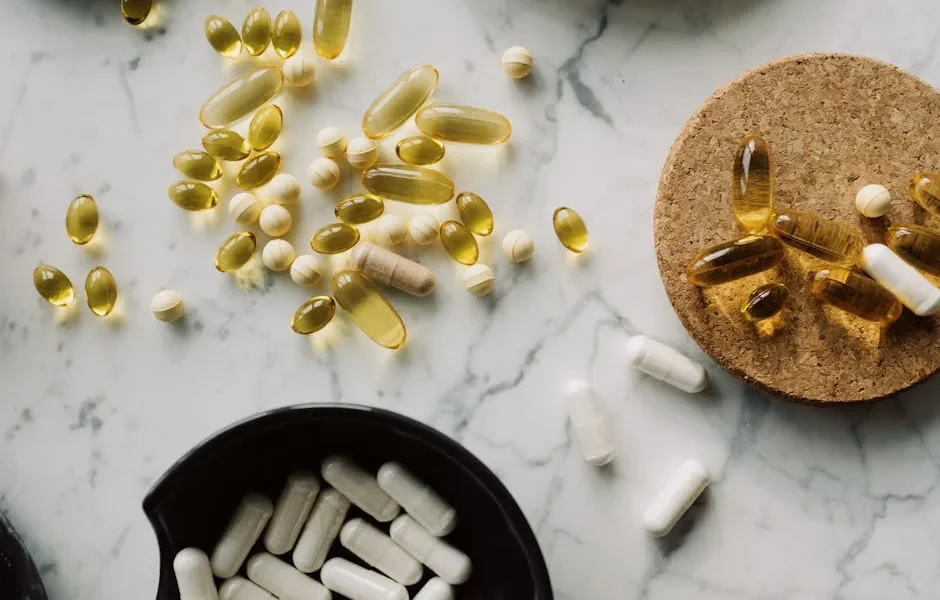
- Most pets eating AAFCO-approved commercial diets don’t need supplements. Over-supplementation causes more problems than deficiencies in healthy animals.
- Only specific medical conditions, life stages, or diet types need supplementation. Your veterinarian should guide these decisions.
- The pet supplement industry is minimally regulated. Quality varies dramatically between brands. Third-party testing certifications are essential.
- Fat-soluble vitamins (A, D, E, K) and minerals like calcium can reach toxic levels when over-supplemented. This causes serious health complications.
I’ve spent the last fifteen years discussing supplements with pet owners. Here’s what I hear most often: “I just want to give my dog the best.” I completely understand that impulse.
But here’s the thing. That $50-per-month joint supplement might be doing absolutely nothing. Or worse, creating imbalances your pet doesn’t need.
Welcome to the Pet Supplements Guide 2025: Which Vitamins & Minerals Does Your Pet Actually Need?
The pet supplement market hit $1.9 billion in 2023. It keeps growing. But most of that spending? Unnecessary for the average healthy pet.
This matters because I regularly see pets with vitamin toxicities. I see skeletal problems from excess calcium. I see owners spending hundreds monthly on products that duplicate what’s already in their pet’s food.
Let’s cut through the marketing noise.
Why Most Pets Don’t Need Supplements (Yes, Really)
Here’s what might surprise you. If you’re feeding an AAFCO-approved complete and balanced commercial pet food, your healthy adult dog or cat is getting everything they need. Period.
AAFCO standards require pet foods to meet specific nutrient profiles. These are established through feeding trials and laboratory analysis.
These foods are formulated by veterinary nutritionists—people like me. We’ve already calculated the precise ratios of vitamins, minerals, proteins, and fats your pet requires.
Adding supplements on top of this? You’re essentially telling a professionally trained chef that their carefully balanced recipe needs a random handful of salt.
The data backs this up. Despite 33-35% of U.S. pet owners regularly giving supplements, veterinary nutritionists agree. Healthy pets on quality commercial diets rarely have nutritional deficiencies.
What we do see? Problems from over-supplementation.
Step 1: Understand the Difference Between Water-Soluble and Fat-Soluble Vitamins
This distinction is critical. It determines toxicity risk.
Water-Soluble Vitamins (B-complex, C)
These dissolve in water. Excess amounts are typically excreted in urine.
They’re safer to supplement, though still usually unnecessary. Your pet’s body doesn’t store large reserves. So deficiencies can develop if dietary intake stops.
But again, this doesn’t happen with complete commercial diets.
Fun fact: dogs and cats synthesize their own vitamin C, unlike humans. That vitamin C supplement? Probably just expensive urine.
Fat-Soluble Vitamins (A, D, E, K)
Here’s where danger lives. These vitamins are stored in liver and fatty tissues. They accumulate.
Over time, excessive supplementation leads to toxicity.
I’ve treated dogs with vitamin D toxicity from well-meaning owners who added vitamin D drops “for bone health.” The result? Kidney failure.
Vitamin A toxicity causes bone malformations, liver disease, and skin problems. These aren’t theoretical risks—they’re cases I see.
Unless your veterinarian has documented a specific deficiency through blood work, do not supplement fat-soluble vitamins.
Step 2: Identify If Your Pet Actually Has a Legitimate Need
Some situations genuinely require supplementation. Let me walk you through them.
Medical Conditions Requiring Supplements
- Chronic kidney disease: Often requires phosphorus binders, omega-3 fatty acids, and sometimes B-vitamin supplementation due to increased urinary losses.
- Inflammatory bowel disease (IBD): May need cobalamin (B12) injections. Damaged intestines can’t absorb it properly.
- Documented deficiencies: Confirmed through blood work, not guessing. I’ve seen taurine deficiency in cats eating grain-free diets. These cats required supplementation.
- Liver disease: May benefit from SAMe, vitamin E, and zinc under veterinary supervision.
- Osteoarthritis: This is where evidence supports omega-3 fatty acids (EPA/DHA from fish oil). Also potentially glucosamine/chondroitin, though the data is mixed.
Notice what’s missing from that list? “General wellness” or “just in case.” Those aren’t medical indications.
Home-Cooked and Raw Diets
If you’re preparing your pet’s meals at home, supplementation isn’t optional. It’s mandatory.
Home-cooked diets are almost universally deficient in calcium, vitamin D, and proper mineral ratios. This is unless they’re carefully balanced by a board-certified veterinary nutritionist.
Raw diets face similar issues. I’ve seen puppies with pathological fractures from calcium-deficient raw diets. Their bones were so soft they broke during normal play.
Please, if you’re cooking for your pet, consult with a veterinary nutritionist. Find one at ACVN. Or use a service like BalanceIT. They provide properly formulated supplement mixes for home-prepared diets.
Life Stage Considerations
Puppies and kittens eating growth-formulated foods don’t need supplements.
In fact, excess calcium in large-breed puppies causes devastating skeletal abnormalities. This includes hip dysplasia, osteochondrosis, and painful bone malformations.
Senior pets are different. Dogs over 7 and cats over 10 may legitimately benefit from joint support supplements. Omega-3s primarily. And potentially cognitive support formulas containing antioxidants, though the evidence for the latter is less robust.
But even here, we’re talking about documented arthritis or cognitive decline. Not preventive supplementation in healthy seniors.
If you’re monitoring your senior pet’s health through regular check-ups—and you should be, as discussed in creating a preventive care plan—your vet can guide supplement decisions based on actual findings.
Step 3: Evaluate Supplement Quality (Most Products Fail This Test)
Here’s an uncomfortable truth. The FDA doesn’t regulate pet supplements like it does pet food or drugs.
Manufacturers don’t need to prove their products work before selling them. They don’t even need to prove the products contain what the label claims.
Independent testing has repeatedly found problems. Many pet supplements contain significantly less (or more) of the active ingredient than advertised. Some contain none at all.
Look for Third-Party Testing Certifications
The National Animal Supplement Council (NASC) provides a quality seal. This indicates the manufacturer follows good manufacturing practices. It means they have third-party audits.
It’s not perfect, but it’s better than nothing. Check for the NASC seal on any supplement you’re considering.
Other reputable certifications include:
- USP Verified (though rare for pet supplements)
- ISO 17025 accredited laboratory testing
- GMP (Good Manufacturing Practices) certification
Red Flags That Scream “Skip This Product”
Run away if you see:
- Claims to treat, cure, or prevent disease (that makes it an unapproved drug)
- Proprietary blends that don’t disclose individual ingredient amounts
- No lot numbers or expiration dates
- Testimonials instead of research citations
- Phrases like “all natural” (arsenic is natural; doesn’t mean it’s safe)
- No manufacturer contact information
Step 4: Calculate Whether You’re Duplicating Nutrients
This is where I see the most problems.
Your pet’s food already contains vitamins and minerals. The supplement adds more. Are you now over the safe upper limit?
Let’s use a real example. A 50-pound dog needs approximately 1,500 IU of vitamin D daily. Quality dog foods provide this.
If you add a multivitamin with 400 IU and a joint supplement with another 200 IU, you’re at 2,100 IU. That’s not immediately toxic, but chronic over-supplementation leads to problems.
Multiply this across multiple nutrients, and you see the issue.
How to Do This Right
- Get your pet food’s guaranteed analysis (on the bag or manufacturer website)
- List all supplements you’re giving or considering
- Add up the amounts of each vitamin and mineral across all products
- Compare to NRC (National Research Council) safe upper limits
Or—and this is easier—bring everything to your veterinarian. Ask them to review it. That’s literally what we’re trained to do.
If your vet seems dismissive about nutrition, consider consulting with a board-certified veterinary nutritionist. We exist specifically for these questions. Many of us offer remote consultations.
Step 5: Understand Species-Specific Requirements
Dogs and cats aren’t interchangeable. Their nutritional requirements differ significantly.
Critical Differences for Cats
Cats are obligate carnivores with unique needs:
- Taurine: Absolutely essential. Deficiency causes dilated cardiomyopathy and blindness. Quality cat foods include taurine. Dog foods don’t (or have insufficient amounts). Never feed cats dog food long-term.
- Arachidonic acid: Cats can’t synthesize this fatty acid from plant sources like dogs can.
- Vitamin A: Cats cannot convert beta-carotene to vitamin A. They need preformed vitamin A from animal sources.
- Niacin: Higher requirements than dogs.
What This Means for Supplements
Never give your cat a dog supplement, and vice versa. The formulations differ for good reason.
I’ve seen cats develop taurine deficiency because owners were using dog joint supplements. Those supplements didn’t account for feline-specific needs.
Step 6: Recognize Dangerous Supplement Interactions
Supplements aren’t inert. They interact with medications and each other.
Common Problematic Combinations
- Fish oil + NSAIDs or aspirin: Increased bleeding risk. If your pet takes carprofen or meloxicam for arthritis and you add high-dose omega-3s, you’re risking gastric bleeding.
- Calcium + thyroid medication: Calcium binds thyroid hormones, reducing absorption. Separate by at least 4 hours.
- Iron + tetracycline antibiotics: Iron blocks antibiotic absorption.
- CBD/hemp products + many common medications: CBD inhibits liver enzymes that metabolize numerous drugs. This is an emerging concern we’re learning more about.
If your pet takes any medication—and I mean any, including monthly parasite preventives—tell your veterinarian about every supplement you’re giving.
Don’t assume they’ll ask. Many won’t think to, because they assume you’re not supplementing unless you mention it.
Common Mistakes Pet Owners Make with Supplements
Let me save you from the errors I see repeatedly.
Mistake #1: Using Human Supplements
Please don’t. Human formulations often contain xylitol (toxic to dogs), artificial sweeteners, or concentrations inappropriate for pets.
The dose adjustment isn’t as simple as dividing by weight. Pets metabolize substances differently than humans.
I’ve treated xylitol poisoning from human vitamin gummies. It’s preventable and heartbreaking.
Mistake #2: Shopping by Price Alone
The $15 glucosamine supplement probably doesn’t contain therapeutic doses of active ingredients.
When independent testing occurs, cheap supplements routinely fail. You’re not saving money if the product doesn’t work. Or—worse—if it contains contaminants.
Mistake #3: Treating Supplements Like They’re Harmless
This assumption causes most of the supplement-related problems I see.
“It’s just vitamins” leads to dangerous casual attitudes about dosing and combinations.
Supplements are biologically active substances. Treat them with the same respect you’d give prescription medications.
Mistake #4: Self-Diagnosing Nutritional Deficiencies
Your pet’s dull coat isn’t necessarily an omega-3 deficiency. It might be hypothyroidism, Cushing’s disease, or allergies.
Dry skin could be environmental, parasitic, or metabolic. These require diagnosis, not blind supplementation.
If you notice changes in your pet’s appearance or behavior, those are signs to get veterinary attention. This is similar to recognizing subtle signs of pain in cats that owners often miss.
Blood work reveals actual deficiencies. Guessing leads to wasted money and delayed diagnosis of real problems.
Speaking of blood work, if you’re curious about what those annual tests actually show, I’ve written about interpreting your dog’s blood work results in detail.
Mistake #5: Continuing Ineffective Supplements Indefinitely
If you start a supplement for a specific goal—say, joint health—how will you know if it’s working?
You need objective measures: less limping, better mobility, reduced reliance on pain medications.
If you see no improvement after 8-12 weeks (the typical timeframe for joint supplements), it’s not working. Stop wasting money.
Tips for Smart Supplement Decisions
Start with Evidence-Based Options
If you’re going to supplement, these have the strongest research support:
- Omega-3 fatty acids (EPA/DHA from fish oil): For documented arthritis, some skin conditions, kidney disease. Dose matters—you need 50-100 mg EPA+DHA per pound of body weight for anti-inflammatory effects.
- Probiotics: For acute diarrhea or specific diagnosed gastrointestinal conditions. Use veterinary-specific strains. Human probiotics may not survive in pet GI tracts. Quality matters enormously here.
- Joint supplements (glucosamine/chondroitin): Evidence is mixed, but some studies show modest benefits for osteoarthritis. Look for products with adequate dosing (not token amounts).
Document Everything
Keep a log of what supplements you give, doses, and when you started them. Note any changes in your pet’s condition.
This helps you and your veterinarian assess whether supplements are actually helping. Or just creating expensive urine.
Consider Whole Food Alternatives
Sometimes you don’t need a pill.
Small amounts of fish (cooked, boneless salmon or sardines) provide omega-3s. Plain pumpkin or sweet potato adds fiber.
These whole-food options often work better than isolated supplements. They come with cofactors that aid absorption.
Budget Appropriately
Quality supplements aren’t cheap. If cost is a concern, skip supplements. Invest that money in better quality food or preventive veterinary care instead.
A wellness exam catches problems before they become emergencies. That’s better value than speculative supplementation.
When to Absolutely Consult Your Veterinarian
Don’t guess about supplements if your pet:
- Takes any prescription medications
- Has been diagnosed with any chronic disease
- Is a puppy or kitten in critical growth phases
- Eats a home-prepared diet
- Shows signs of illness you’re trying to treat with supplements
- Is pregnant or nursing
These situations need professional guidance, not internet research and Amazon reviews.
The Future of Pet Supplementation: Personalization
We’re seeing interesting developments in 2024-2025.
Microbiome testing is becoming accessible for pets. This potentially allows targeted probiotic recommendations based on your individual pet’s gut bacteria populations. Rather than generic supplements.
DNA testing services claim to identify breed-specific supplement needs. Though I’m skeptical until we see peer-reviewed validation.
The science of nutrigenomics—how genes interact with nutrients—is fascinating but still emerging.
Functional mushroom supplements (reishi, turkey tail, lion’s mane) are trending heavily. The immune support claims sound appealing. But clinical evidence in pets remains minimal.
I’m watching this space with interest but not recommending these yet.
What About CBD and Hemp Supplements?
Since everyone asks: CBD products are everywhere. They’re marketed for anxiety, pain, seizures, and more.
Here’s what we actually know as of 2025:
Some preliminary studies suggest potential benefits for osteoarthritis pain and seizure management. However, quality control is abysmal.
Many products contain far less CBD than labeled. Some contain concerning contaminants.
Drug interactions are a real concern. Particularly with medications metabolized by cytochrome P450 enzymes (which is most of them).
If you’re considering CBD for your pet, discuss it with your veterinarian first. Don’t just grab something from the gas station or random online retailer.
Look for products with third-party testing certificates of analysis. These should show cannabinoid content and confirm