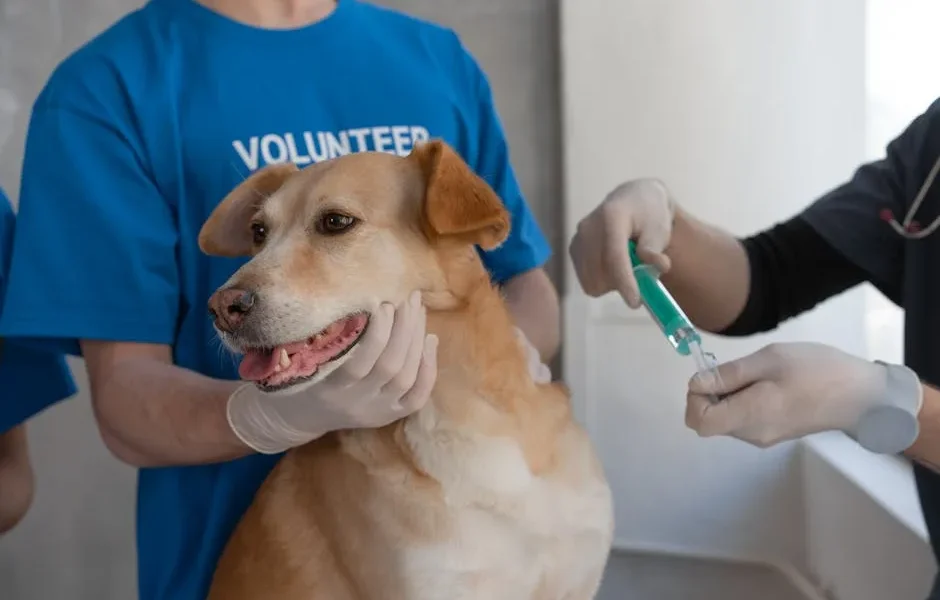
Medication Safety for Pets: 7 Common Mistakes That Could Harm Your Dog or Cat
I’ll never forget the panic in my neighbor’s voice when she called me at 2 AM. Her Golden Retriever, Charlie, had somehow gotten into her purse and eaten an entire bottle of ibuprofen—twenty tablets. She’d only left the room for ten minutes.
Charlie survived, but it involved emergency vet visits, induced vomiting, activated charcoal, and three days of hospitalization for kidney monitoring. The bill? Over $3,000. And the guilt? Still there, years later.
Here’s the thing that shocked me most when I started researching medication safety: over 232,000 cases of pet poisoning get reported to the ASPCA Animal Poison Control Center every year. And human medications? They’re the number one cause, accounting for about 25% of all those desperate calls.
That’s roughly one pet poisoned by medication every two minutes.
Most of these cases aren’t from malicious intent or stupidity. They’re from well-meaning pet owners who made small, understandable mistakes that spiraled into emergencies. Some gave their dog “just a little bit” of their own pain reliever. Others miscalculated a dose. A few simply left medication somewhere they thought was safe.
So let’s talk about the seven most common medication mistakes that land pets in emergency rooms—and more importantly, how to avoid becoming part of those statistics.
Mistake #1: Thinking “A Little Bit Won’t Hurt”
This is the big one. The gateway to most medication disasters.
Your dog is limping. You’ve got ibuprofen in the cabinet. You figure a half tablet can’t be that dangerous, right? Just to get through until the vet opens tomorrow?
Wrong. So wrong.
A single 200mg ibuprofen tablet can cause stomach ulcers in a 10-pound dog. And acetaminophen—regular Tylenol—is even worse for cats. One regular-strength 325mg tablet can be fatal to a cat. Not “might be dangerous.” Fatal.
The metabolism differences between humans and pets aren’t just significant—they’re enormous. Dogs lack certain liver enzymes that break down NSAIDs. Cats can’t process acetaminophen at all; it destroys their red blood cells and causes liver failure.
And it’s not just over-the-counter pain meds. Human antidepressants cause 17% of pet pharmaceutical poisonings. Venlafaxine (Effexor) is particularly nasty for dogs, causing serotonin syndrome, seizures, and dangerously elevated heart rates.
If your pet needs pain relief, call your vet. Many clinics have after-hours advice lines. Some will call in a prescription to a 24-hour pharmacy. It’s worth the inconvenience to avoid an emergency room visit. Trust me—I’ve seen the signs of pain in pets, and there are safe ways to address them.
Mistake #2: Creative Math With Doses
Dosing errors account for 30-40% of veterinary medication mistakes. And I get it—the math can be genuinely confusing.
The most common error? Confusing pounds with kilograms. If your vet prescribes a medication based on your pet’s weight in kilograms, but you calculate using pounds, you’ve just given your pet 2.2 times the intended dose. That’s not a small oopsie. That’s potentially toxic.
Then there’s the “eyeballing it” approach with liquid medications. Those syringes and droppers come with precise measurements for a reason. “About a quarter of the syringe” isn’t the same as 0.25 mL. Liquid medications are often highly concentrated.
Also? Don’t split tablets unless your vet specifically says it’s okay. Some medications have special coatings that control how they’re absorbed. Cutting them changes how the drug enters your pet’s system. Other pills simply can’t be split evenly, meaning you’re giving random doses each time.
When you pick up a prescription, ask these questions:
- Is the dose based on pounds or kilograms?
- Should I give this with food or on an empty stomach?
- What do I do if I miss a dose?
- What are the signs of overdose I should watch for?
Write down the answers. Your vet appreciates thorough questions—it means you’re paying attention.
Mistake #3: Treating Medications Like Treats
Flavored medications have been a game-changer for getting pets to take their pills. Beef-flavored heartworm preventatives? Chicken-flavored pain meds? Brilliant.
Until your dog figures out where you keep them.
Dogs have broken into supposedly secure cabinets and consumed entire month’s supplies of chewable medications. The Pet Poison Helpline gets calls about this constantly. And those “childproof” caps? Dogs don’t have thumbs, but they’ve got teeth and determination.
I know someone whose Labrador ate a full bottle of carprofen (a prescription pain medication) in the fifteen minutes she was in the shower. Sixty tablets. The dog had learned to open the bathroom drawer and apparently thought she’d hit the jackpot.
Store all pet medications—especially the tasty ones—in a locked cabinet or a high shelf your pet absolutely cannot reach. Not probably can’t reach. Definitely can’t reach. And if you’ve got a cat who can open cabinets (yes, some can), you need latches or locks.
Keep medications in their original containers with the safety caps on. Don’t transfer them to pill organizers where your clever pet might access multiple medications at once.
Mistake #4: The Species Mix-Up
This one kills cats. Frequently.
Over 1,000 cases get reported annually of cats exposed to permethrin—an ingredient in many dog flea and tick products. To dogs, permethrin is fine. To cats, it’s a neurotoxin that causes tremors, seizures, and death.
The scary part? Sometimes the exposure happens just from a cat grooming a dog who was recently treated. Or from a cat walking across a surface where dog medication was applied and then licking their paws.
If the package says “for dogs only,” believe it. Don’t think you can just use less on your cat. The chemical itself is the problem, not the amount.
This goes beyond flea medications too. Some antibiotics are safe for dogs but dangerous for cats. Pain medications have different formulations and doses for different species. Even something prescribed for one of your pets might be harmful to another.
In multi-pet households, this becomes especially tricky. Make sure each pet gets their own medication, clearly labeled. Consider using different colored pill bottles or labels to avoid mix-ups during the chaos of morning routines.
Mistake #5: Playing Pharmacist With Expired Medications
We’ve all done it with our own medications—checked that expiration date, thought “eh, it’s only been a few months,” and taken it anyway.
Don’t do this with pet medications.
Some expired medications just become less effective. Annoying, but not dangerous. But tetracycline antibiotics? They can actually become toxic when expired, potentially causing kidney damage. The chemical breakdown products are the problem.
Liquid medications expire even faster than you’d think. Once you reconstitute that antibiotic powder with water, you’ve typically got 2-3 weeks before it starts degrading. The pharmacy should write the expiration date on the bottle, but if they don’t, ask.
And those compounded medications—the ones specially mixed by a pharmacy for your specific pet? They have shorter shelf lives than mass-produced drugs because they don’t have the same preservatives. The FDA actually issued warnings in 2024 about improperly compounded transdermal medications.
Check expiration dates before giving any medication. When your pet finishes a prescription, dispose of leftover pills properly. Many pharmacies and vet clinics have medication take-back programs. Don’t just toss them in the trash where a curious pet might find them.
Mistake #6: Stopping Too Soon (Or Not Soon Enough)
Your dog’s been on antibiotics for a week. The infection seems cleared up. Why give the remaining four days of pills?
Because antibiotic resistance is real, and partial treatment is how we create resistant bacteria that are harder to kill next time. Finish the full course unless your vet specifically tells you to stop.
The opposite problem happens with long-term medications. Your cat’s been on thyroid medication for months and seems fine. The pills are expensive. Maybe you skip a few doses or stop entirely?
Please don’t.
Some medications need to stay at consistent levels in your pet’s system. Seizure medications are especially critical—stopping suddenly can trigger rebound seizures that are worse than the original condition. Thyroid, heart, and diabetes medications all need consistent dosing to work properly.
If cost is an issue, talk to your vet. Seriously. They might have samples, know about manufacturer assistance programs, or be able to switch to a more affordable alternative. What they can’t do is make your pet healthy if you’re not giving the medications as prescribed. And if you’re weighing whether pet insurance might help with ongoing medication costs, that’s worth exploring.
Mistake #7: The Online Pharmacy Gamble
Look, I understand. Medications are expensive. That online pharmacy offers the same drug for half the price. It’s tempting.
But the FDA issued a warning in February 2024 about counterfeit pet medications sold online—particularly flea and tick preventatives and heartworm medications from unverified international pharmacies.
Some of these “medications” contain no active ingredient at all. Your pet isn’t protected, but you don’t know it until they test positive for heartworms or get infested with fleas. Others contain the wrong concentration, wrong formulation, or have been stored improperly and degraded.
If you’re ordering pet medications online, use pharmacies verified by the National Association of Boards of Pharmacy (NABP) or ones recommended by your vet. Yes, they might cost more than that sketchy website shipping from overseas. But you’re getting actual medication, properly stored, with reliable customer service if something goes wrong.
Your vet isn’t pushing their own pharmacy just to make money (most vet clinics make minimal profit on medications). They’re recommending sources they trust because they’ve seen what happens when medications fail.
What to Keep in Your Pet’s Medication File
This is practical stuff that’ll save you stress and potentially save your pet’s life:
Keep a medication log. Write down every medication your pet takes—prescription and over-the-counter. Include supplements, because yes, those count and can interact with medications. Note the dose, timing, and any side effects you notice.
When you bring your pet to the vet, bring this list. Drug interactions between prescriptions and supplements are real. Your vet can’t check for interactions if they don’t know about the fish oil and glucosamine you give daily.
Take a photo of every medication label. Store these photos in a folder on your phone. If there’s an emergency and you need to tell the emergency vet exactly what your pet takes, you’ll have everything right there.
Program the Pet Poison Helpline number into your phone: (855) 764-7661. There’s a consultation fee, but they’re available 24/7 and can tell you immediately if you need emergency care or if you can monitor at home. The ASPCA Animal Poison Control Center is another option: (888) 426-4435.
Put together a pet emergency kit that includes a copy of your pet’s medication list, your vet’s after-hours contact info, and the nearest 24-hour emergency clinic address.
If Something Goes Wrong
Let’s say it happens. Your pet gets into medication, you realize you’ve been giving the wrong dose, or your cat licked the dog’s flea treatment.
First: don’t panic, but do act quickly.
Call your vet, the emergency clinic, or poison control immediately. Have the medication bottle in hand so you can read exactly what your pet ingested and how much.
Don’t induce vomiting unless specifically instructed. Some substances cause more damage coming back up. Don’t give milk or food unless told to. Don’t wait to “see if they seem okay.” Some poisonings have delayed symptoms—by the time your pet looks sick, the damage is worse.
If your vet tells you to come in, go. Even if your pet seems fine. Even if it’s the middle of the night. Treatment is most effective when started early, before symptoms develop. Knowing how to understand blood work results can also help you grasp what the vet is monitoring.
And here’s something people don’t always consider: if you need to rush your pet to the emergency clinic, bring the medication bottle with you. The vet needs to see the exact formulation, strength, and any inactive ingredients that might matter.
The Bottom Line
My neighbor’s dog Charlie? He’s fine now. But she keeps all medications—hers and his—in a locked box on top of the refrigerator. She sets phone alarms for his doses so she never has to guess if she gave them. And she asks her vet approximately a million questions about every new prescription.
I don’t think she’s paranoid. I think she’s learned what many pet owners learn the hard way: small medication mistakes can have serious consequences.
The good news? Almost all of these mistakes are preventable. Lock up medications. Follow directions exactly. Ask questions when you’re unsure. Keep accurate records. Don’t share medications between pets or between humans and pets. And if you’re ever worried something went wrong, call for help immediately.
Your pet’s medication safety isn’t complicated—it just requires attention and consistency. And maybe a good lock for that cabinet.
Because that panicked 2 AM phone call from a neighbor? I never want to get another one. And if these precautions seem excessive or overprotective, consider that they’re nothing compared to watching your pet suffer from something entirely preventable. If you’re ever concerned about the quality of care your pet’s receiving, knowing the warning signs of substandard veterinary care can help you make better decisions.
Stay safe out there. Your pets are counting on you.
This article is for educational purposes only and does not substitute for professional veterinary advice, diagnosis, or treatment. Always consult your veterinarian with questions about your pet's health.