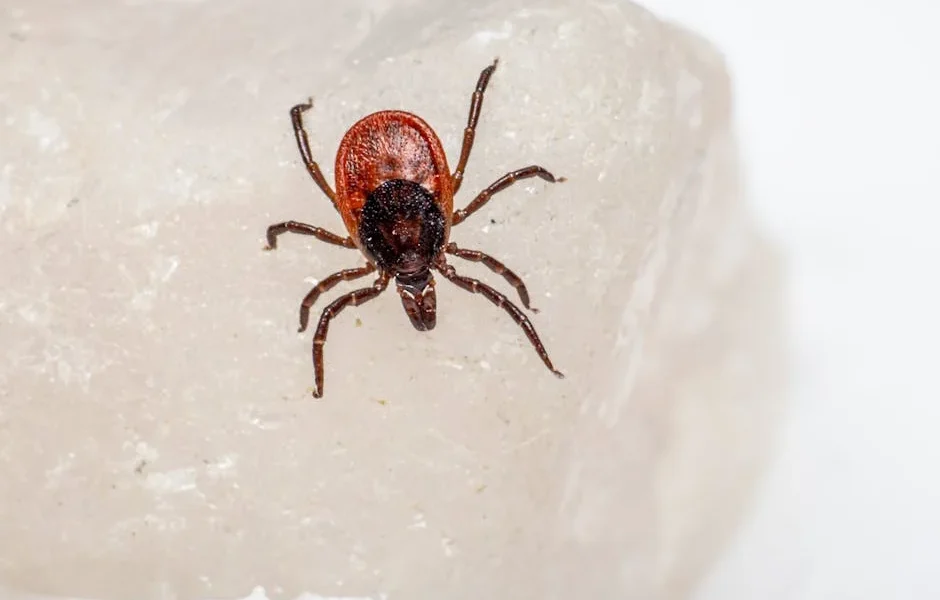
Flea & Tick Prevention Products Compared 2025: Topical vs Oral vs Collar Treatments
I’ll be honest—the first time I tried to give my dog a flea pill, she somehow knew what I was up to and spit it across the kitchen floor. Twice. Which got me thinking: maybe there’s a better way? Turns out, the flea and tick prevention world has exploded with options, and choosing between oral medications, topical treatments, and collars isn’t as straightforward as you’d think.
With the market now worth over $3.5 billion and growing, pet owners have more choices than ever. But more options also means more confusion. Let’s break down what actually works in 2025.
Which Type Works Fastest When You Need Immediate Protection?
Speed matters, especially if you’ve just discovered fleas or pulled a tick off your pet.
Oral medications are the speed demons here. Products like NexGard, Simparica, and Bravecto start killing fleas within 2-8 hours of administration. Ticks take a bit longer—usually 12-24 hours—but that’s still impressively fast. The active ingredients (isoxazolines, mostly) enter your pet’s bloodstream and turn them into a walking no-fly zone for parasites.
Topical spot-ons come in second place, taking about 12-48 hours to reach full effectiveness. They need time to spread across your pet’s skin through natural oils. Products like Frontline Plus or Advantage II work well, but you won’t see instant results.
Collars? They’re the marathon runners, not sprinters. After you put on a collar like Seresto, it takes 24-72 hours for the active ingredients to distribute adequately. They’re designed for long-term prevention, not emergency intervention.
So if your dog just rolled in a flea-infested area at the park, an oral tablet is your best bet. But for year-round prevention? That’s where things get more interesting.
How Long Does Each Type Actually Last?
Duration is where collars really shine—and where your wallet might thank you.
Most oral tablets last exactly 30 days. Mark your calendar, because you’ll need to remember that monthly dose. Some products like Bravecto offer extended protection (12 weeks for dogs), which some pet owners prefer for the convenience factor.
Topical spot-ons typically promise 30-day protection, but here’s the catch: that assumes normal activity. Does your dog swim frequently? Bath time every week? You might only get 2-4 weeks of effective coverage before needing to reapply. The oils that help distribute the medication also wash away with water exposure.
Premium collars like Seresto last up to 8 months. That’s $60-80 for eight months of protection, which breaks down to about $7.50-10 monthly—often cheaper than other options. The collar continuously releases active ingredients, maintaining steady protection. Just replace it when the time’s up.
The trade-off? You’ve got to keep that collar on your pet. If your cat is an escape artist who regularly loses collars in the neighborhood, or your dog spends lots of time in water (collars can become less effective when constantly wet), you might want to reconsider.
What About Safety Concerns I Keep Hearing About?
You’re right to ask. There have been some legitimate concerns making headlines.
The EPA has been investigating Seresto collars since reports surfaced of adverse events—over 1,700 pet deaths reported since 2012. No recall has been issued, and millions of pets use these collars without problems, but it’s enough to make any pet owner nervous. The agency continues monitoring the situation.
Oral medications in the isoxazoline class (NexGard, Bravecto, Simparica, Credelio) carry FDA warnings about potential neurological side effects. We’re talking seizures, tremors, and ataxia in rare cases. If your pet has a history of seizures or neurological conditions, definitely discuss alternatives with your vet. Most pets tolerate these medications perfectly fine, but the risk isn’t zero.
Topical products have their own issues. Permethrin-based dog treatments are extremely toxic to cats—causing about 2,000 feline poisoning cases annually. If you have both dogs and cats, you need to be careful about cross-contamination. Cats grooming dogs, or even just rubbing against them before the product dries, can lead to serious problems.
Here’s what I’ve learned: there’s no perfectly risk-free option. But working with your vet—especially if you have concerns about your pet’s health history—helps you make informed choices. Speaking of which, if you’re unsure about your pet’s specific needs, check out our guide on choosing the right veterinarian who can help you navigate these decisions.
Are Natural or Organic Options Worth Trying?
I wish I had better news here, but let’s be real: most natural flea and tick products don’t work nearly as well as pharmaceutical options.
Essential oil collars, diatomaceous earth, herbal sprays—they smell nice and feel safer, but the effectiveness data is pretty weak. Some studies show they might repel parasites to a small degree, but they don’t kill effectively. And “repel” isn’t the same as “protect.” A tick that’s 30% less likely to bite still has a 70% chance of transmitting Lyme disease.
There are a few exceptions. Some products containing geraniol or certain plant-derived pyrethrins show modest effectiveness, but you’ll need to reapply frequently—sometimes every few days—and they still don’t match pharmaceutical-grade protection.
The bigger concern? With climate change expanding tick ranges into 50+ new counties as of 2024, and tick-borne diseases on the rise, this might not be the time to gamble on unproven natural remedies. The CDC now recommends year-round prevention even in northern states where it used to be seasonal.
If you’re committed to natural options, at least use them alongside environmental controls: frequent vacuuming, washing bedding in hot water, and keeping your yard well-maintained to reduce parasite habitats.
Can I Use Multiple Products Together for Extra Protection?
Short answer: maybe, but ask your vet first.
Some people in high-risk areas—think Lyme disease hotspots in the Northeast or upper Midwest—wonder if layering a collar plus an oral medication provides better protection. The logic makes sense: more products, more protection, right?
Not necessarily. And potentially dangerous.
Combining products can increase the risk of overdose or adverse reactions. Different active ingredients might interact in unexpected ways. Plus, you’re multiplying any potential side effects your pet might experience.
That said, your vet might recommend combining products in specific situations. For example, a collar for baseline protection plus an oral medication during peak tick season. Or a topical for fleas plus a specific tick collar in endemic areas.
The key is veterinary guidance. Don’t DIY this decision. If you’re looking for comprehensive protection, consider combination products instead—over 65% of products sold in 2024 now include heartworm prevention alongside flea and tick control. Products like Simparica Trio or Revolution Plus give you multiple protections in one dose. You can find these through services covered in our pet prescription delivery comparison.
Which Type Is Best for My Specific Situation?
Here’s where we get practical. Because the “best” option depends entirely on your pet and lifestyle.
Choose Oral Medications If:
You need fast-acting protection. You have multiple pets and worry about cross-contamination. Your dog swims or gets bathed frequently. You don’t mind monthly reminders or can set up automatic delivery.
Cost-wise, expect $15-35 monthly depending on your dog’s weight. The convenience factor is high once your pet accepts taking pills. (Pro tip: pill pockets are worth every penny.)
Choose Topical Spot-Ons If:
Your pet has a history of seizures or neurological issues, making you nervous about oral medications. You want something that doesn’t require swallowing. Your pet has predictable bathing/swimming schedules so you can plan applications accordingly.
These typically cost $10-25 monthly. Just remember the 24-48 hour period after application when you need to prevent your pet from getting wet. And seriously—keep permethrin products away from cats.
Choose Collars If:
You want long-term, set-it-and-forget-it protection. You’re looking for the most cost-effective option (around $7.50-10 monthly when you buy an 8-month collar). Your pet tolerates wearing a collar comfortably and you can monitor it stays on.
Not ideal for pets who lose collars regularly or spend tons of time swimming. And pay attention to those safety reports—some pet owners feel more comfortable with other options given the ongoing investigations.
Special Considerations:
Puppies and kittens have age restrictions that vary by product—some are safe at 6 weeks, others require 8+ weeks. Pregnant or nursing animals need specific formulations. Senior pets with health conditions might need adjusted approaches.
If your pet needs medication for other conditions, check our complete pet medication guide for important information about storage and dosing schedules.
What About Resistance and Geographic Differences?
This is something more pet owners should know about.
Flea populations in southern U.S. states are showing increasing resistance to pyrethroids—the active ingredients in many topical products. Studies from 2023-2024 show efficacy decreasing by 30-40% in some regions. If you live in the South and your topical spot-on isn’t working like it used to, resistance might be the culprit.
Oral medications don’t face the same resistance issues because they use different mechanisms of action. The isoxazoline class works through the pest’s nervous system in a way that’s harder for parasites to develop resistance against.
Geographic location also matters for which parasites you’re dealing with. Brown dog ticks, deer ticks (blacklegged ticks), lone star ticks—they all have different ranges and disease risks. Not every product works equally well against every species.
In Lyme disease endemic areas, you want products proven effective against blacklegged ticks specifically. In areas with heavy flea pressure (hello, humid southern states), you might prioritize products that also kill flea eggs and larvae to break the reproduction cycle, not just adult fleas.
Talk to local vets who understand regional parasite patterns. They’ll know what’s actually working in your area versus what used to work five years ago. And if you need quick veterinary advice but can’t get an in-person appointment, our article on pet telehealth versus in-person visits can help you figure out when virtual consultations make sense.
The Bottom Line
There’s no single “best” flea and tick prevention product for every pet. Oral medications offer speed and convenience but come with neurological warnings for sensitive pets. Topical spot-ons avoid those concerns but require careful application and water management. Collars provide long-lasting, economical protection but face ongoing safety investigations.
What works depends on your pet’s health history, your lifestyle, your geographic location, and honestly—what you can consistently stick with. Because the most effective flea and tick prevention is whichever one you actually use correctly and consistently.
Start by having an honest conversation with your vet about your specific situation. Consider your pet’s medical history, your local parasite risks, and your daily routines. And remember—the product that works perfectly for your neighbor’s dog might not be the right choice for yours.
Whatever you choose, just choose something. With tick-borne diseases expanding into new territories and year-round prevention becoming the norm even in northern climates, doing nothing is the worst option of all.
This article is for educational purposes only and does not substitute for professional veterinary advice, diagnosis, or treatment. Always consult your veterinarian with questions about your pet's health.