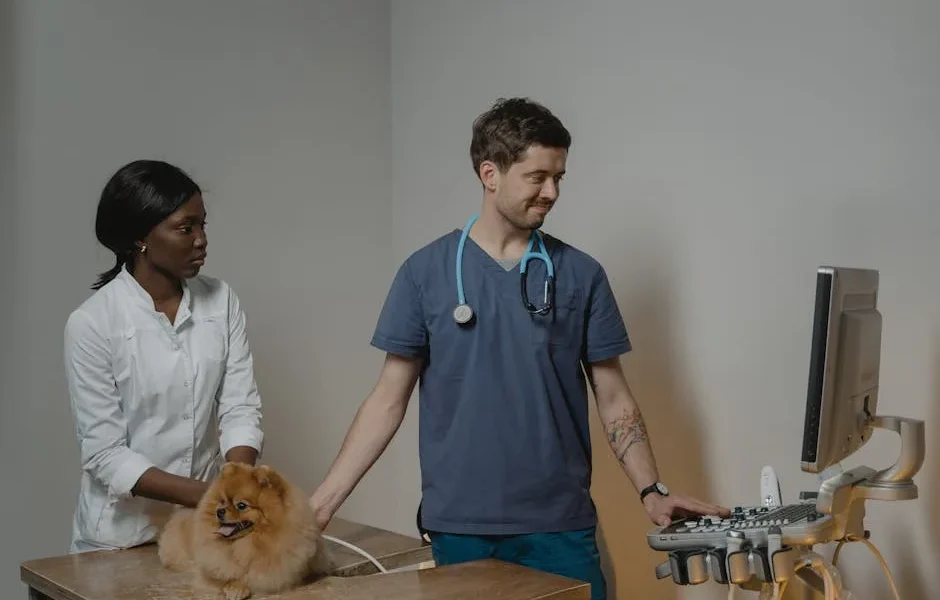
Pet Telehealth vs In-Person Vet Visits: When to Choose Which in 2025
I’ll be honest—when my dog started obsessively licking her paw at 9 PM on a Saturday, I panicked. Was it an emergency? Could it wait until Monday? Should I drive 30 minutes to the emergency vet and drop $300 just to find out it’s nothing serious?
That’s when I pulled up a pet telehealth app and, within 20 minutes, had a licensed vet reassuring me it looked like minor irritation. She walked me through what to watch for and when I’d actually need to come in. Cost? $49. My stress level? Significantly reduced.
Here’s my thesis after three years of using both telehealth and traditional vet visits: Pet telehealth isn’t replacing in-person care, and it shouldn’t. But when used correctly, it’s revolutionizing how we access veterinary guidance—and frankly, it’s solving problems we didn’t even realize we had.
The Real Cost Picture (It’s Not Just About Money)
Everyone talks about the price difference. Yes, telehealth consultations run $30-$75 versus $75-$150+ for in-person visits. That’s substantial.
But the actual cost calculation is more interesting than that.
Think about the hidden costs of a traditional vet visit. There’s the time off work. The gas. The stress of transporting an anxious cat. For my friend with three kids under five, getting to the vet requires logistical gymnastics that’d impress a military strategist.
Telehealth eliminates all of that for appropriate cases. You’re on your couch. Your pet’s comfortable. The vet can actually see your dog’s behavior in their home environment, which sometimes reveals things you can’t replicate in a sterile exam room.
However—and this is crucial—telehealth can cost you more if used inappropriately. If your pet needs hands-on examination or diagnostics anyway, that $50 telehealth visit becomes an extra expense on top of the inevitable in-person appointment. I’ve made this mistake. You pay twice and delay proper treatment.
The key is knowing which situation you’re in.
When Telehealth Actually Works (About 30-40% of Cases)
Research shows telehealth is appropriate for roughly 30-40% of pet health concerns. That might sound limiting, but it covers a lot of ground:
Behavioral Issues
This is where telehealth shines. A behaviorist can observe your dog’s anxiety, your cat’s litter box aversion, or your puppy’s excessive barking in the actual environment where it happens. I’ve seen better outcomes from virtual behavior consultations than some in-person visits because the vet sees the real picture, not the abnormally well-behaved version your pet becomes at the clinic.
Minor Skin Conditions
Hotspots, mild rashes, suspected allergies—if you can show it clearly on video, a vet can often assess it. They’ll tell you if it needs in-person examination or if you can try over-the-counter treatments first.
Follow-Up Appointments
Your dog finished antibiotics for a UTI. Does she really need to come back in for a recheck if she’s acting normal? Sometimes yes, sometimes no. A quick telehealth follow-up can determine whether you need lab work or you’re good to go.
Nutrition and Preventive Care Questions
Should you switch foods? What flea prevention is best? Is that supplement actually beneficial? These consultations don’t require physical examination.
Medication Refills and Chronic Disease Management
For established patients with chronic conditions, telehealth check-ins between regular in-person exams make sense. My neighbor’s diabetic cat gets quarterly in-person visits but monthly telehealth monitoring sessions. It works beautifully and catches issues before they become emergencies.
Speaking of medications, if you’re managing chronic conditions, you might find comparing pet prescription delivery services useful for convenience and cost savings.
When You Need to Actually Go In (No Question)
Some situations aren’t negotiable. Period.
Difficulty breathing. Suspected poisoning. Trauma or injury. Severe bleeding. Inability to urinate or defecate. Seizures. Bloat symptoms in large dogs. Anything involving the word “blood” or “can’t.”
Get off your phone and get to a vet. Now.
But there’s also a middle category that’s less obvious. These situations typically need in-person care even if they don’t seem urgent:
- Limping or lameness (needs physical orthopedic exam)
- Eye issues beyond minor irritation (requires specialized equipment)
- Ear infections (need otoscope examination)
- Vomiting or diarrhea lasting more than 24 hours (may need lab work, palpation, hydration assessment)
- Weight loss or gain without obvious cause (comprehensive exam required)
- Any lump or bump (needs palpation, possibly biopsy)
- Dental concerns (oral exam essential)
I learned this the hard way when my cat seemed slightly “off” but nothing dramatic. Telehealth vet said it could be minor stress but recommended an in-person visit to be safe. Turned out she had early kidney disease that required lab work to detect. The telehealth vet did exactly what she should have—triaged appropriately and directed me to proper care.
Knowing how to spot subtle pain signals in pets can help you decide whether a situation warrants immediate in-person attention.
The Prescription Puzzle
Here’s where things get complicated. And political, honestly.
By 2025, about 35-40 states allow veterinarians to establish a VCPR (Veterinarian-Client-Patient Relationship) through telemedicine under certain conditions. That’s up from maybe 15 states in 2020. Progress, right?
But prescribing controlled substances? That still requires an in-person exam in most places. Even for non-controlled medications, many states require an existing relationship or a physical exam within a certain timeframe.
What this means practically: Your first interaction with a new pet probably can’t be telehealth-only if prescriptions might be needed. But once you’ve established care (either through an in-person visit or in states with permissive telemedicine laws), telehealth becomes viable for many medication management scenarios.
Most telehealth platforms now partner with pharmacies for rapid delivery. I’ve had prescriptions at my door within hours of a virtual consultation. That’s genuinely impressive.
Just understand the limitations. If your pet needs antibiotics for a suspected infection, the telehealth vet might not be able to prescribe without physical examination—or they might prescribe empirically but recommend coming in if improvement doesn’t happen quickly.
For ongoing medication management and storage best practices, check out this comprehensive pet medication guide.
The Rural vs Urban Divide
This deserves attention because the value proposition of telehealth shifts dramatically based on where you live.
In urban areas, telehealth is mostly about convenience. Wait times for in-person appointments can stretch 1-3 days, but you’ve got options. Multiple clinics, emergency hospitals, specialists. Telehealth becomes the “quick question” option or the after-hours triage tool.
In rural areas? It’s potentially life-changing.
If your nearest vet is 45 minutes away and the nearest emergency clinic is two hours, telehealth isn’t just convenient—it’s a primary care supplement. It helps determine whether that drive is necessary. It provides access to specialists who’d otherwise require a multi-hour road trip.
The catch: Rural areas often have spotty internet. Video quality matters for telehealth, and a frozen screen doesn’t help anyone assess your pet. Some platforms now offer phone-only options as backup, though they’re obviously more limited.
Choosing the Right Platform
The pet telehealth market has exploded. Major players in 2025 include Fuzzy, Vetster, Airvet, and Pawp, plus traditional chains like Banfield and VCA adding telehealth services.
What matters when choosing:
Wait times: Average 15-30 minutes for telehealth versus days for in-person appointments. But some platforms are faster than others.
Veterinarian credentials: Are they licensed in your state? Do they have access to your pet’s records if they’re from your regular vet’s platform?
Insurance integration: By 2025, about 60-70% of pet insurance providers cover or partially reimburse telehealth. Some include unlimited virtual visits as a base benefit. Worth checking before you choose both your insurance and your telehealth platform.
If you’re shopping for coverage, our pet insurance comparison includes telehealth coverage details.
Prescription policies: How do they handle medication needs? What’s their pharmacy network?
Follow-up protocols: If you need to come in, how does that work? Integrated platforms that include both virtual and physical locations handle this more smoothly.
The Hybrid Future (And Why It Makes Sense)
Here’s what I think is actually happening: We’re not choosing between telehealth and in-person care. We’re creating a hybrid model where both serve different functions.
The best veterinary practices in 2025 are integrating both seamlessly. Initial telehealth screening for new concerns. In-person when physical examination or diagnostics are needed. Telehealth follow-ups for monitoring. Back to in-person if issues arise.
This makes sense for everyone. Vets can use their exam room time more efficiently for cases that truly need it. Pet owners get faster access to guidance for minor concerns. Pets experience less stress from unnecessary trips.
Some progressive practices are even using AI-powered symptom checkers to triage before you even connect with a vet. These tools improved appropriate use rates by 20-30% in recent studies. They’re not replacing veterinary judgment—they’re directing you to the right level of care more quickly.
When you’re establishing care with a new veterinarian, knowing what factors to consider helps ensure they offer the service mix you need.
What I Tell People Who Ask
Start with this question: If a vet were standing in your living room right now looking at your pet, could they give you a confident answer without touching your pet or running tests?
If yes, try telehealth. If no, go in.
Use telehealth for your “Is this normal?” questions. For behavioral issues. For nutrition advice. For follow-ups when your pet seems fine. For that 11 PM moment when you need professional reassurance about whether morning can wait.
Go in-person for anything you can’t clearly show on video, anything involving pain or distress you can’t pinpoint, any situation where you’d want the vet to “just take a look” with their hands. For preventive care and wellness exams. For vaccinations. For that annual checkup that catches things before they become problems.
And critically: Don’t use telehealth to avoid appropriate in-person care because it’s cheaper or more convenient. That’s not smart medicine, and it’s not fair to your pet. The telehealth vet will tell you when you need to come in—listen to them.
Between these two options, most pet owners in 2025 have better access to veterinary guidance than ever before. That’s genuinely exciting. We just need to be smart about using the right tool for each situation.
Because at the end of the day, whether it’s through a screen or across an exam table, what matters is getting your pet the care they need when they need it. Sometimes that’s a 20-minute video call at 9 PM. Sometimes it’s a thorough hands-on examination. Often, it’s both at different times.
The technology is just giving us more options. The judgment calls? Those are still on us. And honestly, that’s how it should be.
This article is for educational purposes only and does not substitute for professional veterinary advice, diagnosis, or treatment. Always consult your veterinarian with questions about your pet's health.