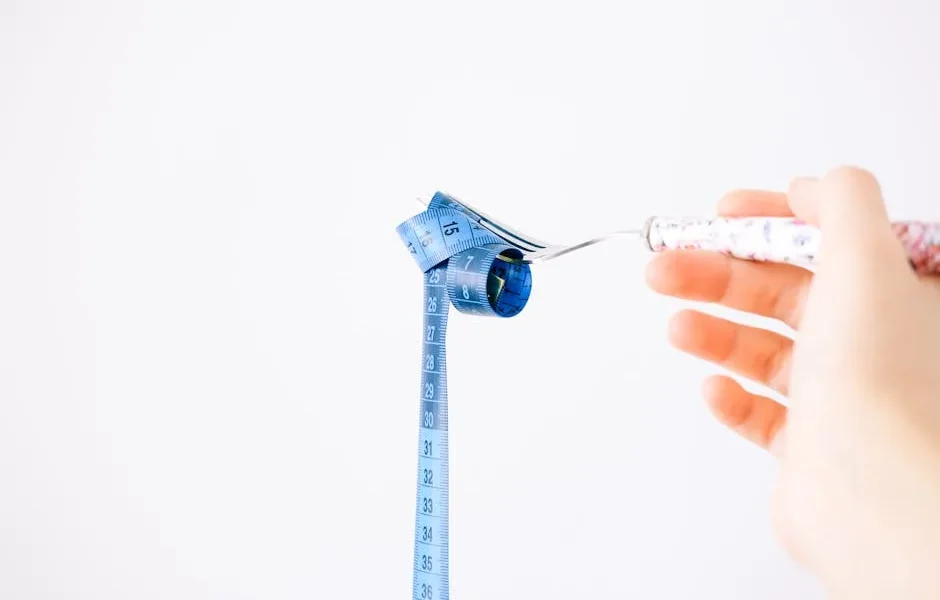
Weight Management for Pets: Veterinary-Approved Diet Plans to Combat Obesity 2025
I’ll be honest with you. Last month, I watched a Labrador struggle to climb three stairs at the clinic where I consult, and it broke my heart. The owner looked genuinely confused when we discussed obesity—”But he doesn’t eat that much!” she insisted. Here’s the thing: with nearly 60% of our pets now overweight or obese, this conversation is happening in exam rooms across the country every single day.
Pet obesity isn’t just about aesthetics. We’re talking about an average of 2.5 years shaved off your companion’s life, dramatically increased diabetes risk, and thousands of dollars in preventable vet bills. But the good news? It’s fixable. Let me walk you through the most common questions I hear from pet parents trying to navigate weight management.
How Do I Know If My Pet Is Actually Overweight, Not Just “Big-Boned”?
Look, I get it. Nobody wants to hear their fur baby is fat. But this isn’t about judgment—it’s about health.
Veterinarians use something called a Body Condition Score (BCS), which rates pets on a scale from 1 to 9. Ideal is a 4 or 5. Here’s the practical test you can do at home right now:
Run your hands along your pet’s ribcage with gentle pressure. You should feel the ribs easily, like running your fingers over the back of your hand. If you have to press and search? Your pet’s carrying extra weight. Can’t feel them at all? We need to talk.
Also, look down at your pet from above. Dogs and cats should have a visible waist—an indentation between the ribcage and hips. From the side, the belly should tuck up slightly behind the ribs, not hang down or be level with the chest.
If you’re still not sure, your vet can give you an objective assessment. Most clinics offer free weight checks, and honestly, getting a baseline BCS score is one of the smartest things you can do this month.
Can I Just Feed Less of My Pet’s Current Food, or Do They Need Special Diet Food?
This is probably the question I hear most often, and the answer is… complicated.
Technically, yes—weight loss comes down to calories in versus calories out. If you reduce portions of your pet’s regular food, they’ll lose weight. But here’s where things get tricky.
When you just cut back regular food, you’re also cutting back on all the essential nutrients, vitamins, and minerals your pet needs. Feed 30% less food, and you’re providing 30% less of everything. That can lead to malnutrition even as the weight comes off.
Veterinary weight management formulas—like Hill’s Metabolic, Royal Canin Satiety, or Purina OM—are specifically designed to be nutrient-dense but calorie-sparse. They’re packed with protein to maintain muscle mass, fiber to keep your pet feeling full, and all the vitamins and minerals they need in smaller portions. Clinical studies show 80%+ success rates with these diets when combined with proper portion control.
Think of it this way: you could eat nothing but 1,200 calories of potato chips daily and lose weight, but you’d feel awful and damage your health. Same concept applies to pets.
That said, not everyone can afford prescription diets. If budget’s a concern, talk to your vet about carefully calculated portion reduction paired with a high-quality over-the-counter food. Just don’t wing it—get specific calorie targets. An average indoor, neutered dog needs about 30 calories per pound of ideal body weight daily, but that varies based on age, activity, and metabolism.
For more context on choosing the right nutrition approach, check out our guide on choosing the right diet for your pet.
How Long Will It Actually Take for My Pet to Reach a Healthy Weight?
Let’s set realistic expectations. This isn’t a crash diet situation.
Veterinary guidelines recommend dogs lose 1-2% of their body weight per week, and cats even slower at 0.5-1% weekly. Why so cautious? Cats especially can develop hepatic lipidosis—a potentially fatal liver condition—if they lose weight too rapidly.
So if you’ve got a 70-pound dog who should weigh 55 pounds, we’re talking about losing roughly 0.7 to 1.4 pounds per week. That’s 11 to 21 weeks to goal weight, or about 3 to 5 months. For a 15-pound cat who should be 11 pounds, you’re looking at 8 to 16 weeks.
I know that feels like forever when you’re motivated and ready to see results. But here’s what I’ve observed over years of practice: pets who lose weight gradually keep it off. The ones rushed through aggressive calorie restriction? They often regain everything within months.
You’ll probably hit plateaus too. Weight loss isn’t linear. Your pet’s metabolism will adapt, and you might need to adjust calories downward or increase activity. This is normal and expected, not a sign of failure.
What Are the Best Veterinary-Approved Diet Brands for Weight Loss?
The prescription diet market has three major players with solid clinical backing:
Hill’s Metabolic Diet uses a proprietary blend that actually helps alter metabolism. Their studies show an average of 28% weight loss in two months. It comes in dry and wet formulas for both dogs and cats. The catch? It’s pricey, usually $60-80 for a large bag.
Royal Canin Satiety focuses heavily on satiety—keeping your pet feeling full with high fiber content. It’s particularly effective for the food-motivated Lab or Beagle who acts starving 24/7. Clinical data shows good results, though some pets need time to adjust to the higher fiber.
Purina Pro Plan OM (Overweight Management) is often the most affordable prescription option, usually $40-55 per bag. It’s high in protein to preserve muscle during weight loss and has been around long enough to have extensive research backing it.
There are also quality over-the-counter options like Blue Buffalo Healthy Weight or Wellness CORE Reduced Fat that work for some pets, especially those with only 5-10% excess weight to lose.
The honest truth? The best diet is the one your pet will actually eat and that you can afford to maintain long-term. I’ve seen expensive prescription formulas sit untouched in bowls while a moderately reduced portion of quality OTC food does the trick.
If you’re trying to understand what’s actually in these formulas, our article on understanding pet food labels breaks down the ingredient lists.
Should I Be Exercising My Overweight Pet Differently?
Exercise is crucial, but it’s not the magic bullet people think it is. You can’t out-exercise a bad diet—trust me, I’ve seen people try.
That said, activity absolutely matters for weight loss and overall health. The trick is starting slowly, especially if your pet’s been sedentary or has joint issues from carrying extra weight.
For dogs, start with short, frequent walks—maybe 10 minutes twice daily. As fitness improves, gradually increase duration and intensity. Swimming is fantastic for obese or arthritic dogs because it’s low-impact while providing excellent exercise. Many areas now have canine hydrotherapy centers.
Cats are trickier. You’re not taking them for walks (usually). Instead, focus on play sessions with wand toys, laser pointers, or motorized mice. Even 5-10 minutes of active play twice daily makes a difference. Puzzle feeders that make them “hunt” for kibble also increase activity.
One thing I always emphasize: don’t push an obese pet too hard too fast. A 20-pound overweight dog attempting a 5-mile hike is asking for injury and joint damage. Build gradually.
How Do I Handle Treats Without Sabotaging the Diet?
This is where so many well-intentioned weight loss plans fall apart.
Those puppy dog eyes are powerful. I get it. But here’s a reality check: three average dog biscuits can equal 10-15% of a small dog’s daily calorie needs. That’s like a person adding an extra 200-300 calories they don’t account for.
Your options:
First, treats should never exceed 10% of daily calories—and honestly, 5% is better during active weight loss. Count them. Seriously. Most people don’t and wonder why weight loss stalls.
Second, switch to low-calorie alternatives. Baby carrots, green beans, small pieces of apple (no seeds), or cucumber work great for many dogs. My own dog goes nuts for ice cubes. For cats, try small amounts of cooked chicken breast or freeze-dried meat treats.
Third, use your pet’s regular kibble as treats. Set aside the training portion from their daily allotment. They don’t know it’s “just” their regular food—they’re getting attention and a tasty bite from your hand, which is what they really want anyway.
Fourth, practice non-food rewards. A quick play session, ear scratches, or a favorite toy can be just as rewarding as a treat. We’ve conditioned ourselves to think love equals food, but your pet just wants your attention.
Whatever you do, don’t let family members or visitors undermine the plan with secret treats. Everyone in the household needs to be on board, or you’re fighting a losing battle.
What If My Pet Stops Losing Weight or I’m Not Seeing Results?
Plateaus happen. Frustrating? Absolutely. But they’re part of the process.
First, double-check portions. Most people think they’re measuring accurately but aren’t. Use an actual measuring cup or, better yet, a kitchen scale. That “scoop” you’re using might be 20% more than you think.
Second, account for everything your pet eats. Those training treats? Count them. Table scraps your partner sneaks? Count them. The bits of food that fall while cooking? Yep, count those too. I once discovered a weight loss “failure” was actually a cat sneaking into the toddler’s room to eat dropped Cheerios.
Third, if you’re genuinely following the plan and weight loss has stalled for 3-4 weeks, it might be time to adjust. Your pet’s metabolism has adapted to the lower calorie intake. Reduce daily calories by another 10-15% or increase exercise. Your vet can help calculate new targets.
Finally, rule out medical issues. Hypothyroidism in dogs and hyperthyroidism treatment in cats can make weight loss nearly impossible. Cushing’s disease, certain medications, and other conditions affect metabolism. If you’re doing everything right and seeing no results, blood work might be necessary.
Sometimes the issue isn’t medical but nutritional balance. Our guide on essential nutrients for pets can help you understand if something’s missing from the equation.
How Do I Maintain Weight Loss Once My Pet Reaches Their Goal?
Here’s where a lot of people mess up. They hit the target weight, celebrate, and then… gradually slide back into old habits.
Maintenance is forever. Not to be dramatic, but your pet will always have the tendency to regain if you’re not vigilant.
Once at goal weight, you’ll typically increase daily calories by about 15-20% from the weight loss amount—but not all the way back to where you started. Your vet can help you calculate the right maintenance calorie level based on your pet’s individual metabolism.
Keep weighing your pet monthly, at minimum. Catch a 2-pound gain early, and it’s easy to correct. Miss it until it’s 8 pounds? You’re starting over.
Many people keep their pets on weight management formulas permanently at maintenance portions. There’s nothing wrong with this—these diets are complete and balanced for long-term feeding. It might actually be easier than transitioning to a new food and recalculating everything.
And please, don’t celebrate weight loss by “treating” your pet with extra food or going back to free-feeding. You’ve invested months in this process. Protect that investment.
For senior pets who’ve achieved weight loss, their nutritional needs might shift again with age. Our article on senior pet nutrition can help you navigate that next phase.
Look, pet weight management isn’t easy. It requires commitment, consistency, and sometimes tough love when those big eyes are begging. But the payoff—extra years with your companion, improved quality of life, avoiding painful arthritis and disease—is worth every measured cup and skipped treat. Your future self and your pet will thank you for starting today.

Medically reviewed by: Dr. Sarah Chen, DVM, DACVIM