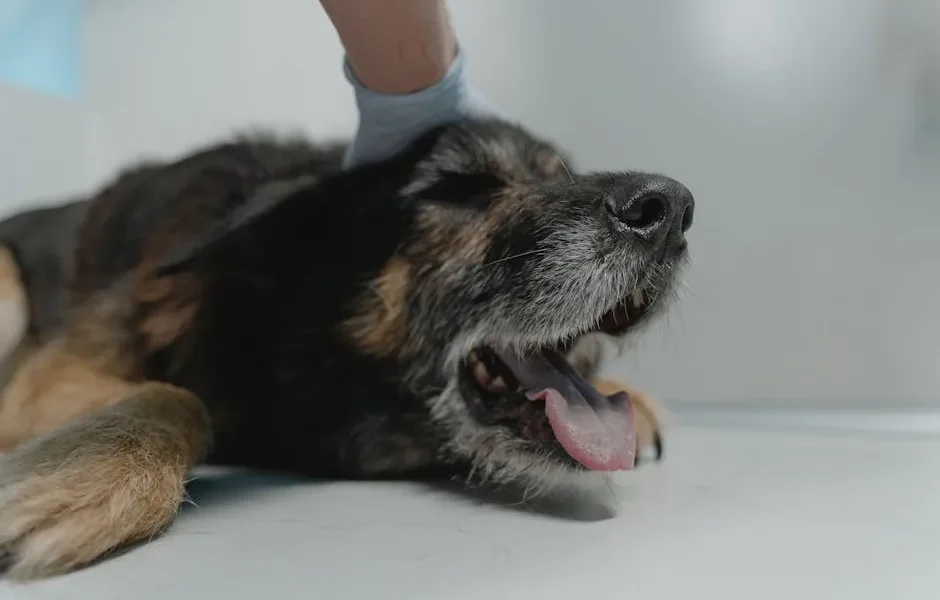
Understanding Your Pet’s Annual Wellness Exam: What to Expect and Why It Matters
I’ll be honest with you—I used to skip my dog’s wellness exams. She seemed fine, bouncing around like a puppy even at six years old. Then one year I finally took her in, and the vet found a heart murmur I’d never noticed. Caught early, we managed it with medication. That visit probably added years to her life. So yeah, I’m a convert now, and I want to walk you through why these annual checkups aren’t just another way to drain your wallet.
The truth is, only 41% of dog owners and 23% of cat owners actually bring their pets in for annual visits. That’s a problem, because our furry friends age way faster than we do—and a lot can change in a year.
Why Annual Exams Actually Matter (The Real Talk Version)
Here’s something that changed my perspective completely: dogs and cats age approximately 5-7 years for every human year after they turn two. Let that sink in for a second.
When you skip your pet’s annual exam, it’s like you going 5-7 years without seeing a doctor. Would you do that? Probably not.
And get this—about 1 in 4 apparently healthy pets show abnormal findings during wellness exams that their owners hadn’t noticed. We’re talking dental disease, heart murmurs, early kidney problems, lumps that could be concerning. Stuff that’s way easier (and cheaper) to address early.
The numbers back this up too. An annual wellness exam might cost you $50-$300 depending on where you live and your pet’s size. But treating preventable diseases? That’ll run you $500 to $5,000 or more. Pets with regular wellness care have 30-40% lower lifetime medical costs and tend to live longer. That’s not marketing hype—that’s insurance company data.
What Actually Happens During a Wellness Exam
Let’s demystify this thing. A standard wellness exam takes about 20-30 minutes, and your vet is checking way more than you might think.
The Physical Examination
Your vet starts with a nose-to-tail assessment:
- Heart and lungs: Listening for irregular rhythms, murmurs, or breathing issues
- Abdomen: Palpating for organ size, masses, or pain responses
- Joints and mobility: Checking for arthritis, pain, or range of motion problems
- Teeth and gums: Assessing dental disease (which affects a huge percentage of pets)
- Eyes and ears: Looking for infections, cataracts, or other issues
- Skin and coat: Checking for parasites, lumps, or dermatological problems
- Lymph nodes: Feeling for swelling that could indicate infection or illness
They’ll also weigh your pet and assess body condition. Weight changes can signal everything from thyroid problems to diabetes to cancer.
Parasite Screening and Prevention
Most vets will want a fecal sample to check for intestinal parasites. Yes, it’s gross. Yes, it’s important. Parasites don’t always cause obvious symptoms, but they can seriously compromise your pet’s health—and some are transmissible to humans.
This is also when you’ll discuss heartworm prevention and flea/tick control. These conversations matter more than you might think, especially with changing environmental conditions affecting parasite distribution.
Vaccination Review
Not every pet needs every vaccine every year. Your vet should discuss which vaccines your pet actually needs based on lifestyle, age, and risk factors. Core vaccines (like rabies) are non-negotiable, but others depend on whether your dog goes to daycare, if your cat goes outside, and where you live.
The Bloodwork Question: Is It Really Necessary?
This is where people get squirmy about cost. But here’s why baseline bloodwork matters.
For middle-aged pets (around 5-7 years), a baseline blood panel establishes what’s normal for your pet. Every animal is slightly different. When something starts to go wrong later, your vet can compare new results to your pet’s baseline, not just to general reference ranges.
More importantly? Bloodwork can detect kidney disease before 75% of kidney function is lost. By the time symptoms show up, significant damage has already occurred. Same goes for liver disease, diabetes, and thyroid problems.
For younger, healthy pets, you might skip annual bloodwork and do it every few years. For senior pets (over 7-10 years depending on species and breed), many vets recommend bloodwork every six months. That’s when things can change fast.
Age-Specific Wellness: One Size Doesn’t Fit All
Puppies and Kittens (Under 1 Year)
Young pets need multiple visits in their first year for vaccination series, spay/neuter discussions, and behavioral guidance. These early exams set the foundation for a lifetime of health.
Adult Pets (1-7 Years)
This is your annual exam sweet spot. Once-yearly visits catch problems before they become serious. Your vet is tracking trends—weight fluctuations, dental disease progression, that sort of thing.
Senior Pets (7+ Years)
The American Animal Hospital Association recommends twice-yearly exams for senior pets. This is when age-related diseases like kidney disease, cancer, arthritis, and cognitive decline become more common. More frequent monitoring means earlier intervention.
Extended wellness panels for seniors often include blood pressure checks, urinalysis, thyroid testing, and sometimes early cancer markers. These aren’t money grabs—they’re genuinely helpful for aging pets.
Breed-Specific Considerations
Your vet should know which health issues your pet’s breed is prone to. Large breed dogs need hip evaluations. Brachycephalic breeds (bulldogs, pugs, Persian cats) require airway assessments. Some breeds are predisposed to specific cancers or heart conditions.
This is where experience matters. A good vet knows to check a Golden Retriever’s heart extra carefully or to monitor a Maine Coon cat for hypertrophic cardiomyopathy.
The Cat-Specific Challenge
Let’s talk about why only 23% of cat owners make annual vet visits. Cats are masters at hiding illness—it’s an evolutionary survival mechanism. And let’s face it, getting cats to the vet is often traumatic for everyone involved.
But cats need wellness exams just as much as dogs, maybe more. They develop dental disease, kidney disease, hyperthyroidism, and diabetes at high rates. By the time you notice symptoms, they’ve often been sick for a while.
The good news? Many practices now offer Fear Free or Low Stress Handling certification specifically for cats. Some have cat-only waiting areas or appointment times. Ask about these options—they make a real difference.
What Red Flags Do Owners Miss?
Vets catch stuff you won’t notice at home:
- Slightly increased water drinking (early kidney disease or diabetes)
- Mild weight loss that happens gradually (hyperthyroidism, cancer, dental pain)
- Subtle lameness or stiffness (arthritis starting)
- Early dental disease before teeth become loose
- Heart murmurs that develop between exams
- Small masses that are easier to remove when caught early
These are the things that make people say, “But he seemed fine!” Until he wasn’t.
How to Prepare for Your Pet’s Wellness Exam
Make the most of your appointment:
- Bring a fresh fecal sample (within 12 hours is ideal)
- Write down any questions or concerns beforehand—you’ll forget in the moment
- Track any subtle changes: drinking more, sleeping more, minor appetite changes
- Bring current medications and supplement bottles
- Ask if fasting is needed if bloodwork is expected (usually not for wellness panels, but verify)
- For anxious pets, ask about pre-visit anti-anxiety medication
If your pet has ongoing food sensitivities or requires weight management support, your wellness exam is the perfect time to reassess and adjust the plan.
Understanding Cost and Making It Work
Let’s be real about money. Wellness care is an investment, but there are ways to make it manageable.
Many clinics now offer wellness plans—you pay monthly and it covers annual exams, vaccines, and often some diagnostics. These can save money if you’re diligent about using all the included services.
Ask about what’s truly necessary versus what can wait. A healthy three-year-old Lab probably doesn’t need extensive bloodwork. A 12-year-old cat with weight loss absolutely does.
The transparency movement is helping too. More clinics post pricing online and provide estimates before procedures. Don’t be shy about asking for an itemized quote.
Recent Developments in Wellness Care
Veterinary medicine keeps evolving. Telehealth is now integrated into many practices for pre-exam consultations and follow-ups, though you still need that hands-on physical exam for complete wellness certification.
Cost transparency has improved significantly in response to client concerns. More practices provide clear pricing for wellness packages and preventive care options.
And the shift toward Fear Free handling isn’t just marketing—it genuinely reduces stress for pets and makes future visits easier.
The Bottom Line
Look, I get it. Life gets busy, your pet seems healthy, and vet visits aren’t cheap or convenient. But here’s what I’ve learned: preventive care isn’t optional if you want to catch problems early when they’re treatable and affordable.
That annual exam might seem routine, but it’s your best tool for giving your pet a longer, healthier life. And honestly? After seeing what early detection did for my dog, I wouldn’t skip it for anything.
If you’re committed to preventive pet care, annual wellness exams are the foundation. They’re not about catching emergencies—we have warning signs for those. They’re about staying ahead of problems before they become emergencies in the first place.
Schedule that appointment. Your future self—and your pet—will thank you.

Medically reviewed by: Dr. Marcus Webb, DVM, DACVECC