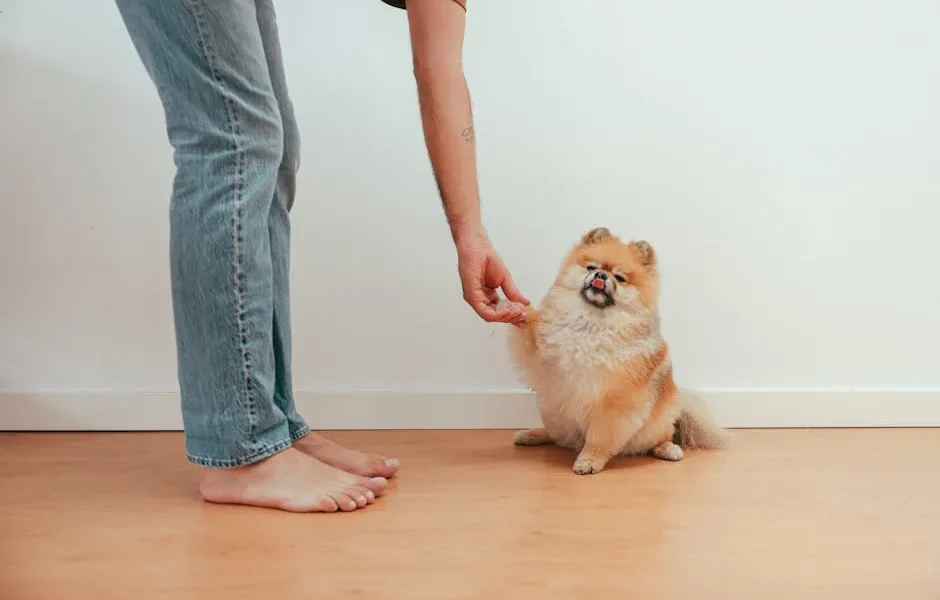
Understanding Separation Anxiety in Pets: Signs, Triggers, and Training Solutions
Here’s my unpopular opinion: most pet owners completely misunderstand separation anxiety. They think their dog shredded the couch because he’s “mad” or “getting revenge.” They assume their cat peed on the bed out of spite. But here’s the truth—separation anxiety is a legitimate panic disorder, and your pet isn’t being manipulative. They’re genuinely terrified.
I’ve been working with anxious dogs for over a decade, and the pandemic absolutely broke something in our pets. We saw a 300% spike in separation anxiety cases as people returned to offices. These animals spent 18+ months with constant human companionship, then suddenly—nothing. That’s not behavioral. That’s trauma.
Let’s talk about what separation anxiety actually is, how to recognize it, and most importantly, how to fix it without losing your mind or your security deposit.
What Separation Anxiety Actually Looks Like
Real separation anxiety isn’t your dog looking sad when you leave. It’s a full-blown panic attack that starts within minutes of your departure.
The physical signs are measurable. Cortisol levels spike within 10-15 minutes of owner departure. Heart rates jump 30-50% above baseline. This isn’t drama—it’s biology. Your pet’s nervous system is genuinely in fight-or-flight mode, except there’s nothing to fight and nowhere to flee.
Here’s what it actually looks like:
In Dogs
The destruction happens fast. Like, really fast. About 75% of separation anxiety-related damage occurs in the first 30 minutes you’re gone, with peak panic in the first 15 minutes. We’re talking:
- Frantic pacing and whining that starts as you grab your keys
- Destructive chewing focused on doors, windows, or items with your scent
- House soiling even in completely housetrained dogs
- Excessive drooling and panting
- Escape attempts that result in broken teeth or bloody paws
- Nonstop barking or howling (your neighbors have definitely noticed)
And here’s something that surprised me early in my career: having another dog doesn’t fix it. About 60% of dogs with separation anxiety show zero improvement when another pet is present. The anxiety isn’t about being alone—it’s about being without you specifically.
In Cats
Cats are sneakier about it, which is why feline separation anxiety flies under the radar. It affects 10-15% of cats but rarely gets diagnosed because cats are “supposed” to be independent, right?
Wrong.
Watch for:
- Excessive vocalization when you’re getting ready to leave
- Inappropriate urination or defecation (particularly on your bed or clothing)
- Over-grooming to the point of bald patches
- Refusing to eat when alone
- Aggressive greeting behavior when you return
- Following you obsessively from room to room
If your cat is acting like your shadow and panicking when you close the bathroom door, that’s not affection. That’s anxiety.
Why This Isn’t “Just Bad Behavior”
The biggest mistake I see? Owners punishing anxiety symptoms as if they’re deliberate misbehavior.
Your dog didn’t destroy your favorite shoes because he’s angry you left. He was literally having a panic attack and redirected that energy onto something that smells like you. Your cat didn’t pee on your pillow out of spite. She was so stressed her bladder control failed.
Think about it this way: would you punish someone having an anxiety attack for hyperventilating? No. Because they can’t control it. Same principle applies here.
The distinction between boredom and anxiety is actually pretty clear once you know what to look for. Bored dogs cause trouble gradually throughout the day and usually look perfectly content with the mess they’ve made. Anxious dogs panic immediately and show obvious distress signs. If you set up a pet camera and see frantic behavior within minutes of leaving? That’s anxiety. If your dog naps for three hours then decides to investigate the couch cushions? That’s boredom. (And maybe you need better destructive chewing solutions.)
The Real Triggers Nobody Talks About
Sure, everyone knows that “going back to work” triggers separation anxiety. But there are subtler causes that catch people off guard:
Your Pre-Departure Ritual
You’re accidentally teaching your pet to panic. Every morning you follow the same script: shower, get dressed, grab coffee, put on shoes, get keys, say “be good!” in that specific voice, then leave. Your pet learns this sequence predicts abandonment, so the anxiety starts at “put on shoes” instead of at “close the door.”
I’m guilty of this too. My dog used to start whining the moment I picked up my laptop bag.
Hyper-Attachment to One Person
Some pets are fine when anyone else leaves but lose their minds when their primary person goes. This is especially common with rescue animals who’ve bonded intensely with the person who saved them. It’s sweet until it’s a problem.
Changes in Household Dynamics
Kid went to college? Partner started traveling for work? Even getting a new job with different hours can trigger anxiety in sensitive pets. They don’t understand the concept of “temporary schedule change.”
Breed Predisposition
German Shepherds, Labrador Retrievers, Border Collies, and Cocker Spaniels are 2-3 times more likely to develop separation anxiety than average. These are breeds literally designed to work alongside humans all day. Leaving them alone for eight hours goes against their genetic programming.
The Training Solution That Actually Works
Okay, here’s where I’ll lose some of you because this solution requires patience. No quick fixes. No magic pills. Just consistent, gradual desensitization.
But it works. Clinical studies show 70-80% improvement within 8-12 weeks when done correctly.
Systematic Desensitization Protocol
You’re going to teach your pet that departures are boring and you always come back.
Week 1-2: Break the Pre-Departure Pattern
Put on your shoes, then sit on the couch and watch TV. Pick up your keys, then make lunch. Put on your coat, then read a book. Do this randomly throughout the day until these actions no longer trigger anxiety. Your pet needs to learn that “keys” doesn’t automatically mean “abandonment.”
Week 2-4: Practice Micro-Absences
Start absurdly small. Walk out the door, count to 10, come back in. No greeting, no fuss. Wait five minutes, do it again. Gradually extend: 30 seconds, one minute, three minutes. Stay at each level until your pet shows zero anxiety before progressing.
Yes, this feels ridiculous. Do it anyway.
Week 4-8: Build Duration
Now we’re talking five minutes, ten minutes, fifteen. Mix up the durations—don’t always increase. Sometimes go shorter again. You want unpredictability so your pet can’t anticipate abandonment length.
Week 8-12: Real-World Absences
Start with actual errands. Check the mail. Drive around the block. Get coffee. Build to longer absences as your pet demonstrates calm behavior.
The key? Never push too far too fast. If your pet shows anxiety at any level, you’ve progressed too quickly. Drop back to the previous successful duration and build more slowly.
Environmental Management
While you’re training, set up their environment for success:
Create a safe space. This might be a crate (if properly conditioned—never use it as punishment), a specific room, or just their bed in a quiet corner. Make it cozy with your worn t-shirt for comfort.
Use background noise. TV, radio, or white noise machines mask outside sounds that might trigger alert barking or anxiety. I leave podcasts playing for my dog. He probably doesn’t understand true crime shows, but the human voices are calming.
Provide appropriate outlets. Puzzle feeders, frozen Kongs, lick mats. Stuff that takes 20-30 minutes to complete and provides mental stimulation. Time these to finish right around when the panic typically peaks.
Exercise beforehand. A tired pet is a calmer pet. This won’t cure separation anxiety, but it takes the edge off. Long walk or play session before departures helps.
What About Supplements and Medication?
Look, I’m not anti-medication. Sometimes it’s necessary and appropriate. But here’s my take: supplements and meds should support training, not replace it.
Calming supplements (L-theanine, chamomile, melatonin) and products like Adaptil (dog appeasing pheromone) work for mild cases. They’re not going to touch severe panic attacks.
CBD? The research is mixed. Some pets respond, others don’t. If you try it, use reputable brands with third-party testing and give it 2-3 weeks to assess effectiveness.
For moderate to severe cases, talk to your vet about anti-anxiety medication. Newer short-acting options are available specifically for situational use during training. They’re not forever—they’re training wheels while you teach your pet that being alone is safe.
When to Call in Professional Help
DIY training works for mild to moderate cases. But some situations need professional intervention:
- Self-injury during panic (broken teeth, bloody paws from escape attempts)
- Zero improvement after 4-6 weeks of consistent training
- Aggressive behavior when you try to leave
- Your living situation is at risk (eviction threats due to noise, property damage you can’t afford)
- Your own mental health is suffering from the stress
A veterinary behaviorist (not just a trainer—an actual board-certified specialist) can develop a comprehensive treatment plan, prescribe appropriate medication, and troubleshoot what’s not working in your training approach.
Yes, they’re expensive. But so is replacing your couch for the third time.
Prevention for New Pet Owners
If you’re reading this before your pet develops separation anxiety, congratulations. You have a massive advantage.
From day one:
Don’t be available 24/7. Even when you’re home, practice separation. Use baby gates, close doors, encourage independent activities. Your new puppy or kitten doesn’t need to follow you to the bathroom.
Vary your routine. Don’t create predictable departure patterns. Sometimes put shoes on and stay home. Sometimes leave in slippers. Mix it up constantly.
Make departures boring. No long goodbyes. No “mommy will miss you SO MUCH” speeches. Leave calmly, return calmly. Departures and arrivals should be complete non-events.
Build independence gradually. Start with brief absences and build from there. Don’t go from being home constantly to suddenly working 10-hour days.
The Bottom Line
Separation anxiety is real, it’s painful for your pet, and it’s fixable. But it requires you to change your behavior as much as your pet needs to change theirs.
The pandemic created thousands of anxious pets who are now struggling in a post-lockdown world. If your pet is one of them, they’re not broken. They’re not spiteful. They’re scared, and they need your patience.
Will this process be frustrating? Absolutely. You’ll feel silly practicing 30-second absences. You’ll be tempted to skip steps. You’ll want a faster solution.
But here’s what I know after years of working with anxious animals: the slow, steady approach is the only one that creates lasting change. Quick fixes fail because they don’t address the underlying panic. Real training rewires your pet’s emotional response to being alone.
And honestly? Watching an anxious pet finally relax and trust that you’ll come back—that moment when you check the pet camera and see them napping peacefully instead of pacing frantically—that’s worth every minute of the process.
Your pet trusted you enough to become completely attached to you. Now you get to prove you’re trustworthy enough to always come back.

Medically reviewed by: Dr. Sarah Chen, DVM, DACVIM