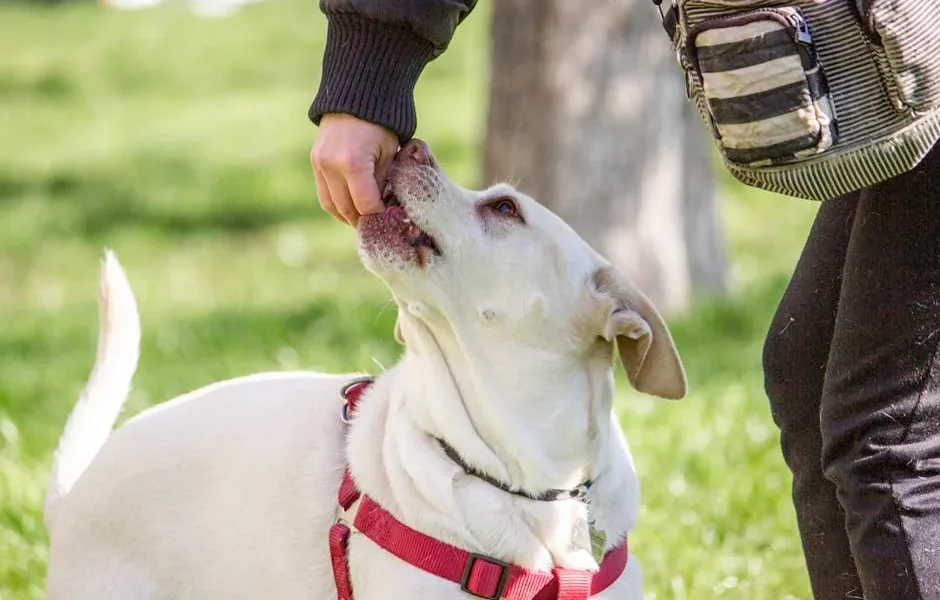
Understanding Separation Anxiety in Dogs: Signs, Causes, and Training Solutions
I’ll never forget the day my neighbor called me, nearly in tears, because her landlord had issued an eviction notice. The reason? Her sweet rescue dog had torn through the doorframe—for the third time. That’s when I realized how serious separation anxiety really is. It’s not about “bad dogs” or laziness. It’s genuine panic, and it affects way more dogs than most people think.
Let me walk you through the most common questions I get about separation anxiety. Because once you understand what’s actually happening, you can start helping your dog feel safe again.
How do I know if my dog actually has separation anxiety or is just bored?
This is the question, right? Because plenty of dogs get into mischief when left alone, but that doesn’t mean they’re anxious.
True separation anxiety shows up fast—usually within 15 to 30 minutes of you leaving. Every. Single. Time. Your dog isn’t waiting around for a couple hours and then deciding to redecorate. They’re in distress mode almost immediately.
Here’s what real separation anxiety looks like:
- Pacing and restlessness that starts as soon as you grab your keys
- Excessive drooling or panting before you even leave
- Destructive behavior focused on exits—doors, windows, gates
- Barking or howling that continues for 30-45 minutes straight (your neighbors will tell you about this one)
- Accidents in the house from an otherwise housetrained dog
- Self-harm like excessive licking, chewing paws until they bleed, or trying to escape crates
Bored dogs? They’re different. They might sleep for a while, then get into stuff after a couple hours. The destruction is more random—your couch cushions, the trash, whatever’s interesting. And it doesn’t happen every time you leave.
Want to know for sure? Set up a camera. I know it sounds obvious, but you’d be amazed what you learn. About 75% of destructive behavior from anxious dogs happens in that first 40 minutes. If your dog settles down after you leave and the chaos starts later, you’re probably dealing with boredom or destructive chewing habits instead.
What causes separation anxiety in the first place?
Honestly? It’s complicated. And usually not just one thing.
Some dogs are genetically predisposed. German Shepherds, Australian Shepherds, Labs, and Bichon Frises show higher rates. Mixed breeds from shelters—we’re talking 40-60% higher than dogs purchased from breeders—also struggle more. Whether that’s genetics or life experience, it’s hard to say.
But here’s what we know contributes:
Early life experiences matter hugely. Puppies who never learned to be alone during that critical 8-16 week socialization window often develop problems later. And wow, did the pandemic create a generation of these dogs. Puppies raised during lockdown when everyone was home 24/7? Veterinary behaviorists are seeing 35-40% more separation anxiety cases now compared to pre-2020. Those pandemic puppies are now 3-5 years old and struggling as their owners returned to offices.
Traumatic changes stick with dogs. Rehoming, shelter stays, losing a family member (human or animal), sudden schedule changes—these can trigger anxiety even in previously confident dogs.
We accidentally reinforce it sometimes. Making a huge fuss when you leave or come home? Always giving in when your dog whines for attention? Letting them follow you literally everywhere, even to the bathroom? These patterns can create or worsen anxiety.
Medical issues can look like anxiety. Pain, cognitive dysfunction in older dogs, thyroid problems, or hearing loss can all cause behaviors that mimic separation anxiety. That’s why a vet check is always step one.
Can separation anxiety actually be cured, or is this forever?
Good news: most dogs can improve significantly. But I’m gonna be real with you—it takes time and consistency.
The typical timeline for noticeable improvement is 6-12 weeks minimum. Some dogs respond faster, some take months. Severe cases might need ongoing management even after improvement. It’s not usually a quick fix.
About 30% of dogs need medication alongside training. And here’s an important stat: medication alone has only a 20-30% success rate. But combine medication with proper behavior modification? That jumps to over 80%.
The approach that works is called systematic desensitization. Basically, you’re teaching your dog that your absence isn’t scary by practicing it in tiny, manageable doses. Start with literally 30 seconds. Then a minute. Build gradually over weeks.
Dogs don’t generalize well, so you practice different scenarios: leaving through different doors, different times of day, wearing different clothes. It’s tedious. But it works.
Common mistakes that make it worse:
Punishing your dog for anxious behavior. They’re not being spiteful—they’re panicking. Punishment increases fear.
Progressing too fast in training. If your dog shows stress at 5 minutes alone, jumping to 30 minutes will set you back.
Inconsistent routines. Your dog needs predictability to feel secure.
Will getting another dog help my anxious dog feel better?
I wish I had better news here, but usually? No.
Separation anxiety is typically about attachment to humans specifically. Your dog isn’t thinking “gosh, I’m lonely.” They’re thinking “WHERE IS MY PERSON AND ARE THEY COMING BACK??”
Another dog doesn’t solve that. In fact, you might end up with two anxious dogs, because anxiety can be contagious in multi-dog households. Or the anxious dog’s behavior can stress out the new dog.
There are exceptions—some dogs do better with a confident, calm companion. But it’s definitely not a reliable solution, and it shouldn’t be your first strategy.
What training methods actually work for separation anxiety?
The gold standard is systematic desensitization combined with counterconditioning. Fancy terms for: teach your dog that being alone predicts good things and gradually increase their tolerance.
Here’s how it works practically:
Start by identifying your dog’s threshold—how long can they handle before showing stress? Maybe it’s 2 minutes. That’s your baseline.
Practice departures at 50-70% of that threshold. So if they can handle 2 minutes, practice 1-minute absences. Multiple times daily if possible. Make it boring and predictable.
Pair your absence with something awesome. Kong stuffed with frozen peanut butter, special treats they only get when you leave, a puzzle toy. You want them thinking “oh good, treat time” when you grab your keys.
Eliminate your departure cues or make them meaningless. If grabbing your keys triggers panic, practice picking them up 50 times a day without leaving. Put on your coat and then sit on the couch. Walk to the door, then go make coffee.
Keep arrivals low-key. I know it’s hard—your dog is so happy to see you! But dramatic reunions reinforce the idea that your absence is a big deal.
Gradually—and I mean glacially—increase duration. When your dog is consistently calm at one duration, bump up by 30 seconds or so. Not 5 minutes. Not 10. Small increments.
There are some helpful management tools too. Crates can help some dogs feel secure (never if they panic in the crate though—that makes everything worse). Background noise like talk radio can be calming. Pheromone diffusers (Adaptil) help about 30-40% of dogs. Calming protocols for nighttime anxiety can also help establish overall relaxation skills.
When should I get professional help instead of trying to fix this myself?
Some cases absolutely need expert intervention. Here’s when:
If your dog is injuring themselves. Broken teeth from crate biting, bloody paws from digging, escape attempts that cause wounds—this is an emergency. You need a veterinary behaviorist, not just a trainer.
If you’ve been working on it for 6-8 weeks with no improvement. You might need medication, or your technique might need adjustment. Either way, professional eyes help.
If the anxiety is severe from day one. Some dogs completely panic—think non-stop vocalization for hours, destroying walls, severe elimination. Don’t wait to get help.
If you’re facing eviction or rehoming. A professional can often expedite progress and might provide documentation for landlords.
Credentials matter here. Look for:
- Veterinary behaviorists (DACVB)—these are vets with specialized behavior training
- Certified Applied Animal Behaviorists (CAAB or ACAAB)
- Certified Professional Dog Trainers with separation anxiety specialization (CPDT-KA with SA focus)
Avoid anyone who talks about “dominance” or guarantees quick fixes. Separation anxiety isn’t about your dog trying to control you. It’s fear.
How can I prevent separation anxiety in a new puppy or dog?
Prevention is so much easier than treatment. If you’re bringing home a new dog, especially a puppy, here’s your game plan:
Teach independence from day one. Even if you’re home all day, practice being in different rooms. Use baby gates so your puppy can see you but isn’t always touching you. Gradually build up to closed doors.
Make alone time normal and positive. Start leaving your puppy alone for 5-10 minutes while you’re still home. Do this daily. They learn that you always come back and it’s no big deal.
Don’t let them follow you everywhere. I know, the puppy velcro stage is cute. But if they never learn to be separate, you’re building dependency.
Crate train properly. A crate should be a safe den, not a prison. Feed meals in there, toss treats in randomly, let them choose to hang out in it. Never use it for punishment.
Vary your routine. Don’t always leave at 8am wearing work clothes. Practice different departure scenarios so your dog doesn’t develop anxiety around specific cues.
For rescue dogs, take it slower. They’ve already experienced loss and disruption. Build trust while simultaneously teaching independence. It’s a balance, but it’s doable.
And if you adopted during the pandemic and are just now returning to the office? Gradually transition your schedule over several weeks if possible. Practice shorter absences before diving into 8-hour workdays. Your dog’s entire world is shifting—help them adjust.
Look, separation anxiety is tough. It’s heartbreaking to know your dog is suffering when you leave. But with patience, consistency, and sometimes professional help, most dogs can learn that being alone is safe. You’re not stuck with this forever. It just takes time—and a willingness to practice those boring departure drills even when you’re exhausted.
Trust me, it’s worth it. Both for your dog’s wellbeing and your doorframes.

Medically reviewed by: Dr. Sarah Chen, DVM, DACVIM