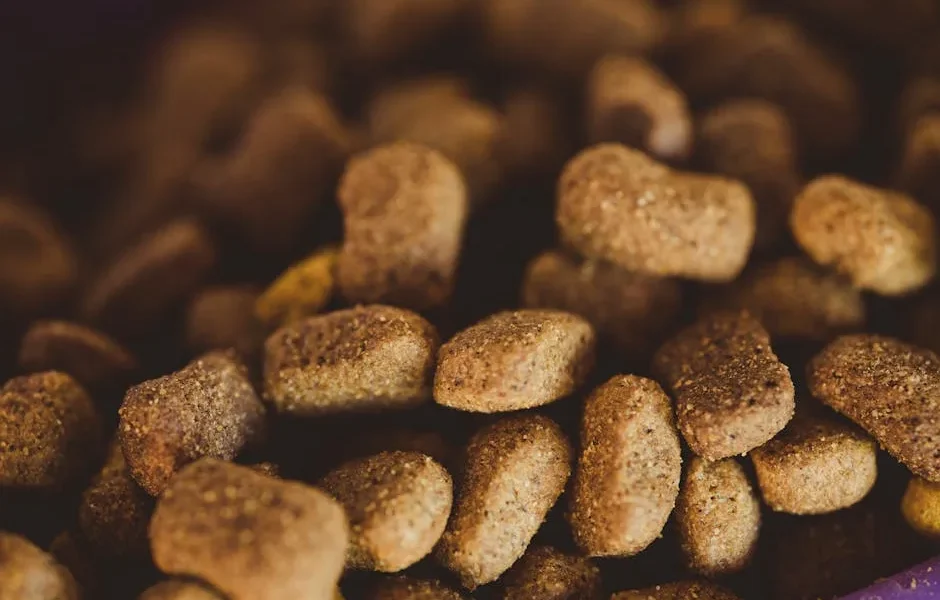
Senior Pet Nutrition: Age-Specific Dietary Needs for Older Dogs and Cats
I’ll never forget the day my vet gently suggested it was time to transition my golden retriever to a senior diet. He was only six. “But he’s not old!” I protested. Turns out, I had a lot to learn about how aging affects our four-legged companions—and how their nutritional needs shift in ways that aren’t always obvious.
The senior pet food market is booming, expected to hit $11.8 billion by 2030. But here’s what really matters: understanding when and why your pet’s dietary needs change can literally add quality years to their life.
When Does Your Pet Actually Become “Senior”?
This isn’t as straightforward as you’d think.
For dogs, it depends heavily on size. Giant breeds like Great Danes and Mastiffs? They’re considered senior at just 5-6 years old. Medium-sized dogs typically hit senior status around 7 years. But those spry little Chihuahuas and Yorkies? They don’t officially join the senior club until 10-11 years.
Cats are more standardized. Most veterinarians consider felines senior at 11 years and geriatric at 15 years, following AAHA and AAFP guidelines.
Why does size matter so much for dogs? Larger breeds simply age faster. Their cells undergo more rapid division throughout their lives, which accelerates the aging process. It’s one of nature’s cruel ironies.
The Calorie Paradox: Less Energy, More Protein
Here’s where conventional wisdom gets confusing—and where a lot of pet owners go wrong.
Senior pets need 20-30% fewer calories than their younger selves. Metabolism slows down. Activity levels decrease. That afternoon zoomies session becomes a leisurely stroll. Makes sense to reduce food, right?
But wait.
While they need fewer calories, they actually need more protein per kilogram of body weight. Sometimes 25-50% more for dogs. This seems contradictory until you understand sarcopenia—the medical term for age-related muscle wasting.
As pets age, their bodies become less efficient at processing and utilizing protein. They need higher-quality, more digestible protein sources just to maintain the muscle mass they have. Without adequate protein, senior pets lose muscle, become weaker, and their quality of life declines rapidly.
For senior cats, you’re looking at a minimum of 30-45% protein on a dry matter basis. And here’s something important: that outdated advice about reducing protein to protect aging kidneys? Debunked. The 2024 feline nutrition consensus statements made this clear—healthy senior cats need to maintain high protein intake.
The key word there is “healthy.” If your cat has been diagnosed with chronic kidney disease, that’s a different conversation requiring specialized veterinary guidance and potentially custom nutrition plans.
The Kidney Connection (Especially for Cats)
Speaking of kidneys: 30-40% of cats over age 10 develop chronic kidney disease. It’s staggeringly common.
For these cats, phosphorus restriction becomes crucial. Keeping dietary phosphorus between 0.3-0.5% on a dry matter basis can genuinely slow disease progression. This is one area where prescription senior diets earn their premium price tag—they’re specifically formulated with controlled phosphorus levels.
Dogs can develop kidney issues too, though it’s less common than in cats. Either way, annual bloodwork becomes non-negotiable for senior pets. You can’t manage what you don’t measure, and kidney disease is sneaky in its early stages.
Joint Health: Beyond Just Glucosamine
Sixty percent of dogs over seven show signs of arthritis. Most just hide it well because, let’s face it, they’re evolutionary masters at masking pain.
The joint health supplement market is enormous, but what actually works?
Omega-3 fatty acids—specifically EPA and DHA from fish oil—have solid research backing their anti-inflammatory benefits. Glucosamine and chondroitin? The evidence is mixed, but many veterinarians still recommend them at dosages around 30-50 mg/kg for glucosamine. They’re generally safe, and some pets seem to respond well.
But here’s what I think matters more: maintaining a healthy weight. Every extra pound puts additional stress on already-compromised joints. This is where that calorie reduction we talked about earlier becomes critical.
Some senior diets include these joint supplements already. Others require separate supplementation. Neither approach is inherently better—it depends on your pet’s specific needs and your budget. Just make sure you’re not accidentally double-dosing if you’re adding supplements to an already-fortified food.
Cognitive Function and Brain Health
Ever noticed your older dog seeming confused or disoriented? Cats sleeping even more than usual (impressive, I know)?
Cognitive dysfunction syndrome affects a significant percentage of senior pets. But nutrition can help.
Antioxidants—vitamins E and C, beta-carotene, selenium—combat the oxidative stress that damages aging brain cells. Studies from UC Davis and the University of Toronto show that dogs fed antioxidant-enriched diets demonstrate improved cognitive function. We’re talking measurable differences in problem-solving and memory tasks.
Medium-chain triglycerides (MCT oil) have also emerged as a promising ingredient for senior brain health, providing an alternative energy source for aging neurons. Several premium senior diets now include MCTs specifically for this purpose.
Digestibility: The Overlooked Factor
Senior pets produce less stomach acid and fewer digestive enzymes. Their entire GI tract becomes less efficient.
This is why digestibility ratings matter more than ever. Look for foods with 85%+ digestibility—though honestly, most pet food labels don’t advertise this number. Generally, higher-quality protein sources (chicken, fish, eggs) beat lower-quality options (meat by-products, plant proteins) in digestibility.
Smaller, more frequent meals often work better than one or two large portions. Think of it like spreading the workload for a system that’s not operating at full capacity anymore.
Wet food deserves special mention here, particularly for cats. It’s inherently more digestible, provides crucial hydration (senior cats are notorious for not drinking enough), and is easier on pets with dental issues. If you’ve been feeding exclusively dry food, consider incorporating at least some wet food into your senior pet’s diet. For comprehensive guidance on choosing the right diet type, check out our complete nutrition guide.
When to Make the Switch
So you understand the why. But when exactly should you transition to senior food?
For most dogs, start the conversation with your vet around age 7 (earlier for giant breeds, later for small breeds). For cats, around age 11.
But here’s the thing: these are guidelines, not commandments. A highly active 8-year-old border collie might not need senior food yet. A sedentary, overweight 6-year-old lab? Might benefit from it early.
Watch for these signs that it’s time:
– Weight gain despite normal portions
– Decreased activity level
– Stiff or painful movement
– Changes in coat quality
– Increased drinking/urination (potential kidney issues)
– Difficulty chewing dry food
Transition gradually over 7-10 days, mixing increasing amounts of new food with decreasing amounts of old food. Senior digestive systems don’t appreciate abrupt changes.
The Label Literacy You Need
Not all “senior” labels mean the same thing. The pet food industry isn’t heavily regulated when it comes to age-specific marketing.
What should you actually look for? Understanding how to read pet food labels becomes crucial at this stage.
Check for:
– Named protein sources (chicken, salmon) rather than vague “meat meal”
– Controlled phosphorus for kidney health
– Added omega-3 fatty acids
– Antioxidant vitamins
– L-carnitine for metabolism support
– Appropriate calorie density (lower than adult formulas)
And pay attention to the AAFCO statement on the label. You want to see “complete and balanced for all life stages” or specifically “for senior maintenance.” If it says “for intermittent or supplemental feeding only,” that’s not a complete diet.
Prescription vs. Over-the-Counter: Worth the Cost?
Prescription senior diets are expensive. Like, painfully expensive if you have a large dog.
Are they worth it?
For pets with diagnosed conditions—kidney disease, heart disease, diabetes—absolutely. These formulas are precisely calibrated for therapeutic purposes. They’re not just marketing hype. Pets with these conditions genuinely benefit from the specific nutrient profiles, just as they might need specialized medications.
For healthy seniors, it’s murkier. Many high-quality over-the-counter senior foods provide excellent nutrition at a fraction of the price. Your decision should be based on your pet’s specific health status (hence those annual bloodwork panels) and your budget constraints.
There’s no shame in choosing a quality OTC option if that’s what works for your family. Better a consistent, affordable senior diet than inconsistent feeding of a prescription formula you can’t sustain.
Red Flags: When Diet Isn’t Enough
Sometimes, nutrition adjustments aren’t enough. Watch for warning signs that warrant a vet visit:
Sudden appetite loss or dramatic increases in appetite. Weight loss despite adequate food intake. Difficulty swallowing or excessive drooling. Vomiting or diarrhea lasting more than a day. Increased thirst and urination beyond normal senior changes.
These could indicate anything from dental disease to diabetes to cancer. Senior pets can deteriorate quickly, so err on the side of caution. Many conditions are highly manageable when caught early—hyperthyroidism in cats, for instance, responds well to appropriate medication.
The Personalization Revolution
Here’s what’s exciting: senior pet nutrition is getting more sophisticated.
Several companies now offer bloodwork-based customized meal plans. You send in your senior pet’s lab results, and they formulate food specifically for their kidney function, liver health, and other parameters. It’s expensive, but for pets with complex health issues, it might be worth exploring.
We’re also seeing increased research into specific amino acid profiles—particularly leucine supplementation—for combating sarcopenia. The science here is evolving rapidly.
My Take After Years of Senior Pet Care
Nutrition isn’t magic. It won’t make a 15-year-old cat act like a kitten again.
But appropriate senior nutrition—combined with regular vet care, appropriate exercise, and lots of love—can absolutely maximize your pet’s quality of life in their golden years. We’ve extended pet lifespans significantly in recent decades. Now we need to focus on health span, not just lifespan.
Start the conversation with your vet early. Get that baseline bloodwork before problems develop. And don’t fall for trendy diets without evidence—your senior pet needs proven nutrition, not Instagram-worthy meals.
They’ve given you their best years. Now it’s our turn to give them our best care.

Medically reviewed by: Dr. Sarah Chen, DVM, DACVIM