Senior Pet Care: When to Adjust Your Dog or Cat’s Health Routine by Age
Here’s my honest take after years of watching friends wrestle with this question: Most of us wait too long to change how we care for our aging pets. We convince ourselves that slowing down is “just getting old” until suddenly we’re facing a health crisis that could’ve been managed—or prevented—with earlier adjustments.
The truth? Your pet’s health routine should evolve continuously from the moment they hit their senior years. And those senior years start earlier than most people think.
When Does “Senior” Actually Begin?
This isn’t as straightforward as you’d hope, and that’s part of why pet owners miss the window for proactive care.
For dogs, the answer depends entirely on size. Your Chihuahua might not be considered senior until age 10 or 11, while a Great Dane crosses that threshold at just 5 or 6 years old. Most medium-sized dogs? They’re senior at around 7 years. The bigger the breed, the shorter the lifespan and the earlier aging begins.
Cats follow a different timeline. They’re typically considered senior at age 11 and geriatric by 15. But here’s where it gets tricky—cats are masterful at hiding illness, so by the time you notice something’s wrong, the problem may have been brewing for months or even years.
This size and species variation matters because your 7-year-old Golden Retriever needs different interventions than your 7-year-old tabby cat, who’s still essentially middle-aged.
The Single Most Important Change: Biannual Vet Visits
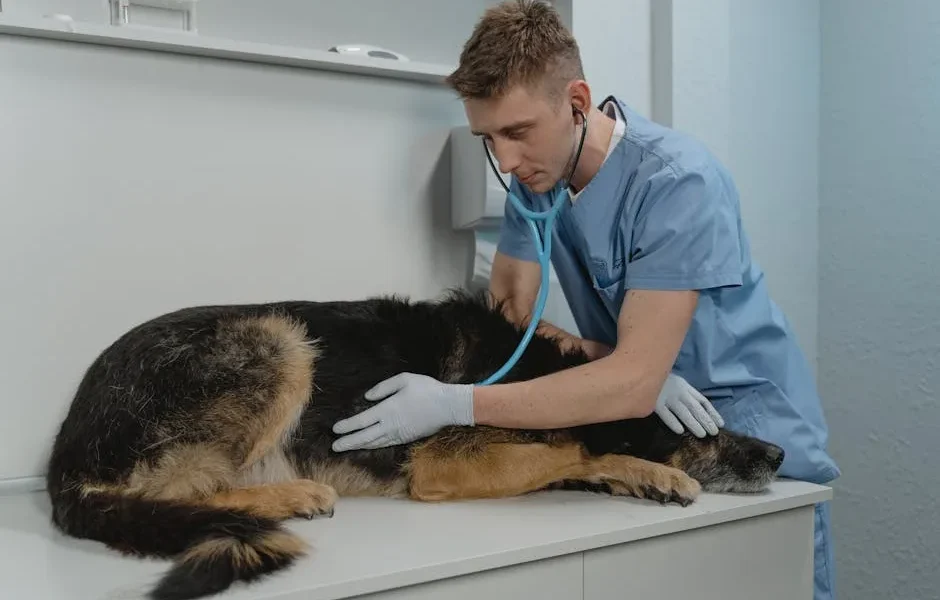
If you take away only one thing from this article, make it this: Senior pets need veterinary wellness exams every six months, not annually.
I know. More vet visits means more money, more scheduling hassle, more stress for pets who hate the car. But the data here is compelling. Studies show that biannual exams catch chronic kidney disease, diabetes, and arthritis 40-50% earlier than annual visits. And in pet years—where one human year equals roughly 5-7 pet years—six months is a long time for disease to progress undetected.
During these visits, your vet should be running comprehensive blood work: complete blood count, chemistry panel, thyroid testing (especially for cats), and urinalysis. This isn’t optional screening for “maybe something’s wrong.” Hyperthyroidism affects 10% of senior cats. Chronic kidney disease hits 30-40% of cats over age 10. These conditions are manageable when caught early, devastating when discovered late.
For more context on what happens during these crucial checkups, see our guide to annual wellness exams, which explains the examination process in detail.
What About Cost?
Let’s be realistic. More frequent vet visits aren’t cheap. But many veterinary practices now offer senior wellness plans—subscription-style packages that bundle biannual exams, blood work, dental cleanings, and screenings at a reduced rate compared to paying for each service individually.
The financial argument also flips when you consider that dogs receiving regular senior wellness care live 15-20% longer than those with basic care only. Early detection means managing conditions with diet and medication rather than emergency surgeries and hospitalizations.
Dietary Adjustments: More Than Just “Senior Formula”
Walk down any pet food aisle and you’ll see dozens of products labeled “senior.” But switching food isn’t about marketing—it’s about metabolism and body condition.
Senior dogs need 20-30% fewer calories than adult dogs due to decreased metabolism and activity levels. If you keep feeding the same portions you did when they were younger, you’re likely contributing to obesity—which currently affects 56% of dogs and 60% of cats in the United States.
But here’s where it gets nuanced. Some senior pets need fewer calories. Others—particularly those losing muscle mass or dealing with certain medical conditions—might need more protein and calories, not less. The “senior formula” approach is too one-size-fits-all.
This is where those biannual vet visits pay off. Your veterinarian can assess body condition score, muscle tone, and bloodwork to determine whether your specific pet needs calorie reduction, protein adjustment, joint supplements, or kidney-support formulations. For deeper guidance on choosing the right nutrition strategy, check out our complete pet nutrition guide.
The Dental Disease Crisis Nobody Talks About
Approximately 80% of dogs and 70% of cats over age 3 have some form of dental disease, and it worsens significantly in senior years. Yet this remains one of the most overlooked aspects of senior pet care.
Why does this matter beyond bad breath? Untreated dental disease directly correlates with heart, kidney, and liver problems. Bacteria from infected gums enter the bloodstream and damage organs. It’s not cosmetic—it’s systemic.
As pets age, dental cleanings become more frequent necessities, not optional procedures. Yes, anesthesia carries slightly higher risk in senior animals, but modern veterinary anesthesia protocols with pre-surgical bloodwork make the procedure remarkably safe. The risk of not addressing dental disease typically outweighs anesthesia concerns.
Our pet dental health guide explains why this preventive care is so critical for longevity.
Pain Recognition: The Hardest Skill to Master
Here’s where senior pet care gets emotionally complicated. Arthritis affects approximately 40% of dogs and an astounding 90% of cats over age 12. But cats hide pain so effectively that owners miss signs in 70-80% of arthritic cats.
Dogs limp. Cats just… stop jumping onto the counter. Or they start eliminating outside the litter box because climbing in hurts. Or they become “grumpy” when petted in certain areas.
We interpret these changes as behavioral problems or personality shifts rather than pain signals. “He’s just getting old and cranky” becomes the explanation, when in reality, your cat is suffering from manageable arthritis pain.
New Pain Management Options
This is one area where recent developments have been genuinely game-changing. The FDA approved new monoclonal antibody pain medications specifically for cats (Solensia) and dogs (Librela) in 2023-2024. These target osteoarthritis pain without the gastrointestinal and kidney side effects associated with traditional NSAIDs.
For many senior pets who couldn’t tolerate pain medication due to existing kidney disease or stomach sensitivity, these new options have dramatically improved quality of life.
Cognitive Changes: The Symptom Owners Deny Most
Cognitive dysfunction syndrome—essentially dementia for pets—affects 14-35% of dogs over age 8, rising to 68% by age 15. In cats, 28% show signs by age 11, and 50% by age 15.
Signs include disorientation (staring at walls, getting “lost” in familiar spaces), sleep disruption (pacing at night), house soiling despite being previously housetrained, and decreased interaction with family members.
I get why this is hard to acknowledge. Cognitive decline feels like the beginning of the end. But here’s the counterargument: pharmaceutical interventions (like selegiline for dogs), dietary supplements with antioxidants and omega-3s, and environmental enrichment can genuinely slow progression and improve quality of life.
Ignoring cognitive symptoms doesn’t make them go away. It just means your pet suffers through confusion and anxiety without the interventions that could help.
For warning signs that indicate it’s time for immediate veterinary attention, including sudden cognitive changes, review our emergency vet care guide.
Home Modifications That Actually Matter
Medical care is only half the equation. Your home environment needs to evolve too.
For dogs: ramps or stairs to beds and couches, orthopedic beds (memory foam genuinely helps arthritic joints), raised food and water bowls to reduce neck strain, non-slip flooring or rugs on hardwood, and nightlights for vision-impaired seniors.
For cats: multiple litter boxes on each floor of the house (arthritic cats won’t climb stairs to use the bathroom), boxes with lower sides for easier entry, food and water on the same level where they sleep, and furniture arrangements that create “stairstep” access to favorite high perches.
These aren’t expensive overhauls. A $30 orthopedic bed or $15 night-light can make the difference between a pet who’s comfortable and one who’s struggling.
The Age-Specific Timeline: What Changes When
Let me break this down practically, because “senior care” is too vague.
Age 7 (medium/large dogs) or 10-11 (small dogs and cats): Begin biannual vet visits. Establish baseline bloodwork. Assess diet and adjust calories if needed. Schedule dental cleaning if not done recently. Consider joint supplements if any mobility changes noticed.
Age 10 (dogs) or 12-13 (cats): Intensify monitoring. Add quarterly weight checks at home. Watch closely for litter box changes, drinking/urination patterns, appetite shifts. Discuss pain management options preemptively. Review critical health changes to monitor in aging pets.
Age 12-13 (dogs) or 15+ (cats): Consider more frequent bloodwork (every 4-6 months for pets with chronic conditions). Implement quality-of-life assessments using standardized scales. Have honest conversations with your vet about realistic expectations and when intervention stops being kind.
Addressing the Counterargument: “Isn’t This Just Prolonging Suffering?”
Some people argue that intensive senior pet care isn’t natural, that we’re extending life past quality of life, that we’re doing it for ourselves rather than for our pets.
I understand this perspective. And there absolutely comes a point where aggressive treatment becomes cruel rather than compassionate.
But here’s the distinction: proactive senior care isn’t about adding years to life at any cost. It’s about adding quality to the years your pet has left. Managing arthritis pain isn’t prolonging suffering—it’s reducing it. Catching kidney disease early means years of comfortable life with dietary management rather than months of crisis.
The goal is to expand the healthy years and compress the sick years, not to prevent death indefinitely.
Quality-of-life assessments provide objective frameworks for this. When bad days outnumber good days, when pain isn’t manageable, when your pet has lost interest in food, water, and interaction—that’s when the conversation shifts. But we’re not there yet at the first diagnosis of arthritis or kidney disease.
Why Pet Owners Consistently Wait Too Long
After researching this topic extensively, I keep coming back to one pattern: we notice changes, but we rationalize them.
“He’s just slowing down because he’s older.”
“She’s always been picky about food.”
“He’s never liked going to the vet, so I don’t want to stress him out with extra visits.”
These rationalizations feel like we’re being kind. In reality, we’re avoiding difficult truths and uncomfortable decisions.
The pets who thrive into their late teens aren’t lucky—they have owners who adjusted care routines early, who prioritized prevention over reaction, who spent money on bloodwork before symptoms appeared rather than on emergency interventions after crisis struck.
For a broader overview of keeping senior pets healthy through multiple interventions, see our guide on ways to keep aging pets healthy.
My Bottom Line
Your pet’s senior years can genuinely be good years—comfortable, engaged, happy years—if you’re willing to adjust your care routine before problems force your hand.
Start those biannual vet visits at age 7 for dogs, 10-11 for cats. Don’t wait for limping to address joint health. Don’t wait for weight loss to evaluate kidney function. Don’t wait for behavioral changes to consider cognitive support.
The routine you established when your pet was young and healthy doesn’t serve them anymore. And pretending it does isn’t kindness—it’s denial.
Senior pet care isn’t about preventing the inevitable. It’s about ensuring that when the end comes, you can look back without regret, knowing you gave them every comfortable day you could.

Medically reviewed by: Dr. Sarah Chen, DVM, DACVIM