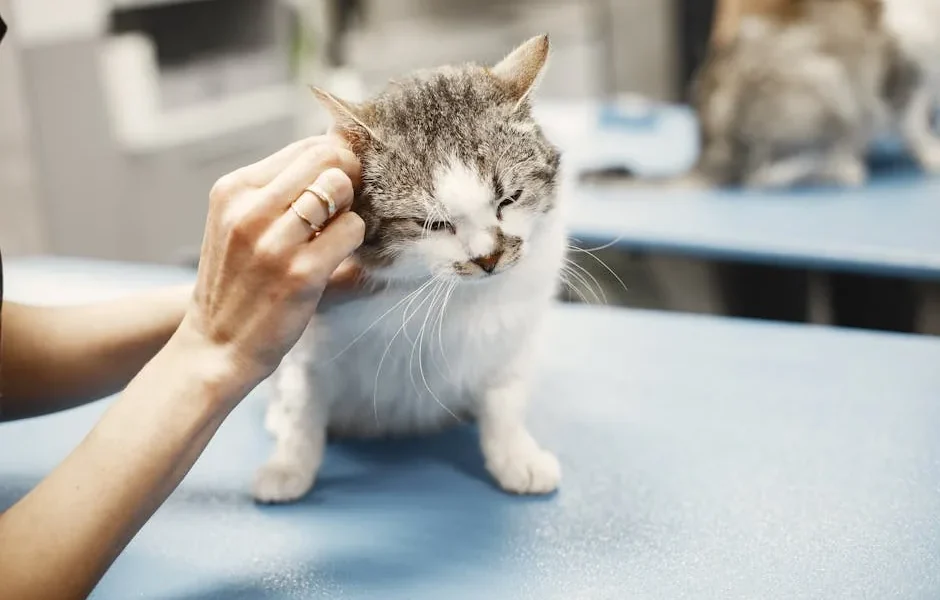
Senior Pet Care: 7 Health Changes to Monitor as Your Pet Ages
I’ll never forget the day I realized my dog Bailey had gotten old. Not because she suddenly couldn’t jump on the couch—that happened gradually. But because I mentioned to my vet that she’d been drinking more water lately, and he immediately wanted bloodwork. Turns out, that seemingly minor change was an early warning sign of kidney issues we could actually manage. That’s the thing about senior pets: the changes sneak up on you, and sometimes what looks like “just getting older” is actually something we can help.
If your pet is hitting those senior years (that’s around 7 for dogs, though large breeds age faster, and 7-10 for cats), you’re not alone. Roughly 40% of pet households in the US have at least one senior fur baby. And here’s what I wish someone had told me earlier: senior pets need twice-yearly vet visits, not annual ones. Why? Because they age faster than us, and catching problems early can increase treatment success rates by 60-80%. So what exactly should you be watching for between those checkups?
1. Mobility Changes and Joint Health
This is probably the most obvious one, but it’s also the most commonly dismissed. “Oh, they’re just slowing down.” Well, yeah—but here’s the reality: arthritis affects about 80% of dogs and a whopping 90% of cats over age 12. The difference? Dogs show it. They limp, they struggle with stairs, they hesitate before jumping. Cats? They’re sneaky little stoics who hide pain like it’s their job.
Watch for subtle changes in your cat: are they suddenly not jumping to their favorite perch? Eliminating outside the litter box because climbing in hurts? In dogs, you might notice stiffness after rest, reluctance to go for walks, or even behavioral changes like irritability when touched. The good news is we’ve got better pain management options now than ever—including newer monthly injectable medications approved in 2023 that don’t carry the same risks as traditional NSAIDs.
Don’t write off mobility issues as “just part of aging.” Pain management, weight control, joint supplements, and even physical therapy can dramatically improve your pet’s quality of life. I added a ramp to my couch and an orthopedic bed for Bailey, and the difference was immediate.
2. Cognitive Function and Behavioral Shifts
Canine Cognitive Dysfunction is basically doggy dementia, and it’s more common than you’d think. We’re talking 14-35% of dogs over 8, jumping to 68% of dogs in the 15-16 year range. Cats get it too, though it’s less studied. Signs include disorientation (staring at walls, getting “lost” in familiar spaces), disrupted sleep cycles (pacing at night, sleeping all day), forgetting house training, and decreased interaction with family.
Here’s what trips people up: these changes happen gradually. You might think your dog is just being stubborn or your cat is acting weird. But if Fluffy suddenly doesn’t recognize you when you come home, or starts meowing loudly at 3 AM for no apparent reason, that’s worth discussing with your vet.
Mental stimulation can genuinely slow cognitive decline. Puzzle feeders, new tricks (yes, old dogs can learn them), interactive toys, and maintaining consistent routines all help. Some vets also recommend specific diets with antioxidants and omega-3s, or medications that can support brain health. It won’t reverse aging, but it can preserve quality time.
3. Vision and Hearing Loss
About 75% of dogs over 13 show signs of nuclear sclerosis—that bluish-gray haziness you might notice in their eyes. It’s different from cataracts (which affect 50% of dogs over 9) but both impact vision. Hearing loss is equally common but often goes unnoticed because pets compensate so well. They read our body language, feel vibrations, follow other pets’ cues.
How do you know? Your dog doesn’t respond when you call from another room anymore. Your cat doesn’t wake up when you walk in. They startle more easily when you approach from behind. Vision problems show up as bumping into furniture, hesitating on stairs (especially in dim light), or anxiety in new environments.
The key is adapting your home and communication. Keep furniture in the same places. Use hand signals alongside verbal commands. Turn on lights in dim hallways. Add textured rugs to help them navigate. Consider putting a bell on other pets so your senior can track their location by sound. Most pets adapt remarkably well to sensory decline when we meet them halfway.
4. Dental Disease and Oral Health
Okay, this one’s gross but important. By age 3, about 80-85% of pets have some periodontal disease. In seniors, it’s almost universal—and it’s not just about bad breath. Those infected gums? The bacteria enters their bloodstream and can damage the heart, liver, and kidneys. We’re talking serious systemic health impacts.
Lift your pet’s lip and look at their gums. Healthy gums are pink and firm. Red, swollen gums that bleed easily, visible tartar buildup (yellow-brown crusty stuff), or loose teeth are red flags. Also watch for changes in eating behavior: dropping food, chewing on one side, reluctance to eat hard food, or pawing at their mouth.
Senior dental cleanings require anesthesia, which freaks people out. I get it. But modern anesthesia protocols with pre-anesthetic bloodwork and monitoring are remarkably safe, even for older pets. And the alternative—leaving infected teeth to cause chronic pain and organ damage—is actually riskier. Talk to your vet about the specific risks for your pet. Many seniors sail through dental procedures and immediately feel better.
5. Kidney and Liver Function
Here’s the scary stat: chronic kidney disease affects 30-40% of senior cats and 10% of senior dogs. Even scarier? By the time you see symptoms—increased thirst, frequent urination, weight loss, decreased appetite—about 75% of kidney function is already gone. This is why senior wellness bloodwork is non-negotiable.
I learned this the hard way with Bailey’s water drinking increase. What seems like a minor quirk can be an early warning system. Other subtle signs include bad breath (ammonia smell), vomiting, or just seeming “off.” Liver issues can show up as yellowing of the gums or eyes, gastrointestinal problems, or behavioral changes.
Bi-annual bloodwork catches these issues early when they’re manageable. A senior panel typically includes a CBC (complete blood count), chemistry panel checking organ function, thyroid levels, and urinalysis. Yes, it costs money upfront. But catching kidney disease early can add years to your pet’s life with simple interventions like diet changes and medications. For more details on what these exams involve, check out our guide to pet wellness exams.
6. Weight and Muscle Mass Changes
Senior pets need 30-40% fewer calories than they did in their prime because their metabolism slows down. But here’s the tricky part: you might notice your pet is both gaining fat and losing muscle mass simultaneously. They look pudgy but feel less solid. That muscle loss (called sarcopenia) is a significant problem because it accelerates mobility decline and weakens immune function.
Obesity in senior pets isn’t just an aesthetic issue. It shortens lifespan by up to 2.5 years and makes everything worse—arthritis, diabetes risk, heart disease, you name it. But dramatic weight loss without dietary changes is equally concerning and could signal diabetes, hyperthyroidism (common in older cats), cancer, or digestive issues.
Learn to do body condition scoring at home: you should be able to feel your pet’s ribs without pressing hard, see a waist when viewed from above, and see an abdominal tuck from the side. If you’re not sure about your pet’s ideal weight or need help with diet adjustments, your vet can guide you. Sometimes senior pets need food that’s higher in protein but lower in calories to maintain muscle while losing fat. Our food and nutrition guide has additional insights on dietary considerations.
7. Heart and Respiratory Changes
Heart disease is incredibly common in senior pets, especially certain dog breeds and cats. Warning signs include coughing (especially at night or after exercise), increased respiratory rate at rest, exercise intolerance, and sometimes fainting episodes. Cats might just become less active or breathe with their mouth open—which is always abnormal for cats and warrants immediate attention.
Here’s what to do at home: count your pet’s breathing rate when they’re sleeping or resting calmly. For dogs and cats, normal is generally 15-30 breaths per minute. Consistently over 35-40 breaths per minute at rest is a red flag. Your vet might detect a heart murmur during routine exams, which doesn’t automatically mean crisis but does mean monitoring.
Heart disease often progresses slowly and can be managed with medications that significantly extend quality life. But you need to catch it before your pet goes into heart failure. That means paying attention to subtle changes in stamina and breathing patterns. If your previously energetic dog suddenly can’t make it around the block, that’s not just aging—get it checked. For guidance on recognizing serious symptoms, our article on pet emergency warning signs can help.
What This All Means for You and Your Senior Pet
Look, I know this list seems overwhelming. Seven systems to monitor? Twice-yearly vet visits? More bloodwork? It’s a lot. But here’s the thing I’ve learned in the years since Bailey became a senior: this isn’t about being paranoid. It’s about being present. You’re going to notice these changes anyway—your pet sleeping more, moving differently, acting a bit off. The question is whether you catch them early enough to do something about it.
Most of what I’ve described here isn’t about expensive interventions or heroic measures. It’s about simple changes: better pain management, diet adjustments, environmental modifications, and yes, those twice-yearly checkups that catch problems while they’re still manageable. Modern veterinary medicine has given our pets longer lives, which means we get more years with them. But it also means taking on the responsibility of advocating for their comfort and health when they can’t speak up for themselves.
Start with preventive care basics and build from there. Keep notes on your phone about changes you notice. Take videos of concerning behaviors to show your vet. Ask questions. Trust your gut when something feels off. You know your pet better than anyone—and in my experience, when we think something’s wrong, we’re usually right.
Bailey’s 13 now, and while she moves slower and naps more, she’s still her goofy self because we caught those kidney changes early. That’s what monitoring gets you: not immortality, but quality time. And honestly? That’s everything.

Medically reviewed by: Dr. Marcus Webb, DVM, DACVECC