Raw Food Diet for Pets: Benefits, Risks & Veterinary Guidelines 2025
I’ll be honest with you. The first time a client told me they were switching their golden retriever to a raw diet, my immediate reaction was… complicated. Not quite panic, but definitely concern mixed with the knowledge that this conversation would take more than five minutes. Because here’s the thing about raw pet food diets: they’ve become incredibly popular—especially with younger pet owners—but they sit at this contentious intersection of ancestral eating philosophy, modern food safety science, and some really aggressive marketing claims.
Let me lay my cards on the table right from the start: I think raw diets carry significant risks that most pet owners underestimate, and the purported benefits remain largely unproven by rigorous science. But I also understand why people are drawn to them.
Let’s unpack this together.
Why Raw Feeding Has Captured Pet Owners’ Imagination
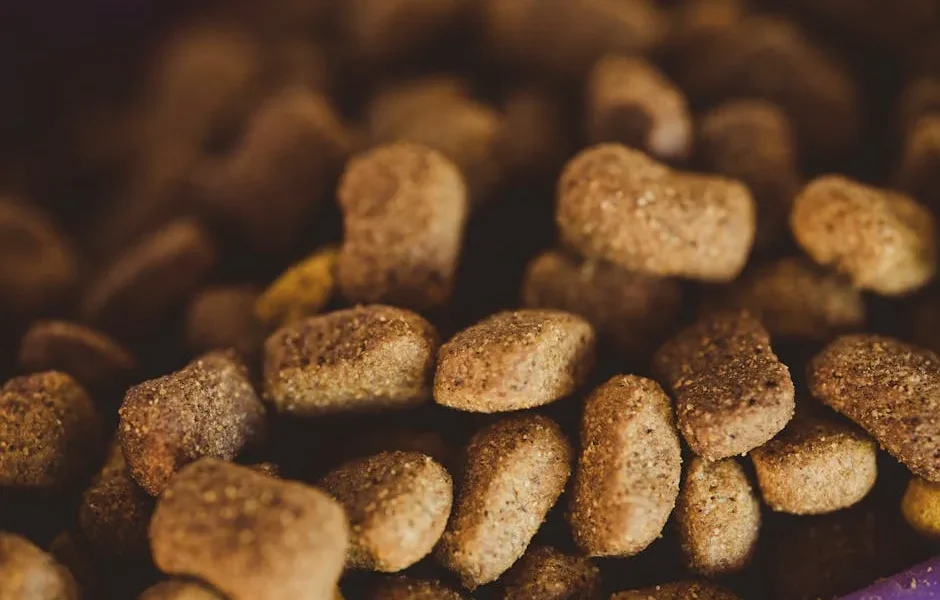
The appeal is pretty intuitive, right? “Feed your dog like a wolf would eat in the wild.” It sounds natural. Primal. Like you’re giving your pet something authentically connected to their evolutionary past rather than processed brown pellets that come out of a bag.
As of 2024-2025, roughly 3-6% of U.S. pet owners are feeding raw diets to their dogs or cats. That might not sound like a huge number, but it represents millions of pets—and the trend is growing fastest among millennial pet parents who are already accustomed to thinking critically about their own food sources.
The raw diet movement promises shinier coats, cleaner teeth, better digestion, more energy, and even longer lifespans. Some owners report these benefits anecdotally. And I won’t dismiss their observations entirely, because people know their own pets.
But anecdotes aren’t data.
What the Science Actually Shows (Spoiler: It’s Complicated)
Here’s where things get interesting. Multiple peer-reviewed studies published in 2024 examined long-term health outcomes in raw-fed versus kibble-fed dogs. The results? Mixed. Inconclusive. Not the ringing endorsement raw food advocates hoped for, but also not the disaster some critics predicted.
What we do know with certainty:
Nutritional completeness is a major concern. When researchers at UC Davis analyzed homemade raw diets, they found that 60-95% were deficient in critical nutrients including calcium, phosphorus, vitamin D, and vitamin E. That’s not a small problem—that’s a skeletal development disaster waiting to happen in growing puppies.
Commercial raw diets fare better, but even those aren’t guaranteed to meet AAFCO nutritional standards unless specifically formulated and tested. And unlike kibble manufacturers who’ve refined their formulations over decades, raw food companies are often newer players still working out the kinks.
The dental health claims? Mostly hype. Systematic reviews from 2023-2024 found no conclusive evidence that feeding raw bones improves dental health more than other dental care methods. Meanwhile, the risk of tooth fractures from bones remains very real. I’ve seen the X-rays. Not pretty.
The Bacterial Contamination Problem We Need to Talk About
This is where my concern level goes from yellow to red.
Studies consistently show that 30-50% of commercial raw pet food samples test positive for Salmonella, E. coli, or Listeria. Think about that for a second. You’re handling a product where there’s nearly a coin-flip chance it contains pathogens that can make humans seriously ill.
The CDC and FDA continue issuing warnings about zoonotic disease transmission—diseases that jump from animals to humans. And it’s not just about your pet getting sick. It’s about:
- Your hands after scooping food
- Your kitchen counters where you prep meals
- Your toddler who pets the dog right after dinner
- Your immunocompromised family member who lives with you
In 2024 alone, the FDA stepped up enforcement dramatically, issuing 15+ major recalls for pathogen contamination in raw pet foods. That’s not a statistical blip. That’s a pattern.
The American Veterinary Medical Association (AVMA) officially discourages feeding raw animal-source proteins, a position they reaffirmed in their 2023-2024 policy updates. The World Small Animal Veterinary Association (WSAVA) echoes this concern, recommending against homemade raw diets unless they’re formulated by board-certified veterinary nutritionists.
These aren’t organizations known for being alarmist or dismissive of owner preferences.
If You’re Still Considering Raw: Harm Reduction Strategies
Look, I know some of you are reading this thinking, “But my dog thrives on raw food, and I’m not changing.” I get it. So if you’re committed to this path, let’s at least talk about doing it as safely as possible.
Choose Commercial Over Homemade
Unless you’re working directly with a board-certified veterinary nutritionist (and I mean an actual ACVN diplomate, not your regular vet), commercial raw diets are significantly safer than homemade versions. They’re more likely to be nutritionally complete and are produced in facilities with at least some pathogen control measures.
Consider HPP or Freeze-Dried Options
High-pressure pasteurization (HPP) raw foods have emerged as a compromise option in 2023-2025. This process reduces pathogen loads while maintaining most of the “raw” characteristics advocates care about. It’s not perfect—contamination can still occur—but it’s meaningfully safer than untreated frozen raw.
Freeze-dried raw formats grew 40% in market share recently for similar reasons. They’re more shelf-stable and carry somewhat lower contamination risks, though they’re definitely not risk-free.
Implement Strict Food Safety Protocols
If raw food enters your house, treat it like you’re handling raw chicken for your own dinner—because essentially, you are:
- Designate separate prep areas and utensils exclusively for pet food
- Wash hands with soap and hot water immediately after handling
- Disinfect all surfaces that contact raw food with appropriate cleaners
- Store frozen raw separately from human food
- Never let pets lick your face after eating (I know, I know—but really)
Avoid Raw If You Have High-Risk Household Members
Young children under 5, elderly family members, pregnant women, and anyone who’s immunocompromised—these groups should not be in households feeding raw diets. Full stop. The risk-benefit calculation just doesn’t work when vulnerable people are in the equation.
If your pet is on immunosuppressive medications or has conditions that compromise their immune system, raw diets are contraindicated anyway.
The Cost Reality Nobody Mentions
Premium raw diets run $5-12 per pound compared to $2-4 for high-quality kibble. That’s a 150-300% price increase. For a 60-pound dog, you’re looking at potentially hundreds of dollars more per month.
Factor in the cost of:
- Dedicated freezer space (many raw feeders buy chest freezers)
- Extra cleaning supplies and time
- More frequent veterinary monitoring to catch nutritional deficiencies early
- Potential medical costs if things go wrong
I’m not saying expensive automatically means better, but I am saying this isn’t just a simple food swap. It’s a significant financial and time commitment.
Species-Specific Considerations Matter
Here’s something raw diet advocates sometimes get right: dogs and cats have different nutritional needs, and both differ from what humans require. This is where understanding species-appropriate nutrition becomes crucial.
Cats are obligate carnivores. They genuinely need animal-source proteins and certain nutrients (like taurine) that only come from meat. The “ancestral diet” argument is somewhat stronger for cats than dogs.
Dogs, however, are omnivores. They’ve evolved alongside humans for thousands of years eating varied diets. The wolf comparison is overstated—your Labradoodle’s nutritional needs aren’t identical to a gray wolf’s, just like you don’t have the same dietary requirements as a Paleolithic human.
What I Actually Recommend to Pet Owners
When clients ask me about raw diets, here’s my typical guidance: There are excellent commercial diets available that are nutritionally complete, rigorously tested, and don’t carry the bacterial contamination risks of raw food. Whether that’s premium kibble, canned food, or fresh-cooked options like those emerging human-grade pet food companies—you have safer alternatives that still provide high-quality nutrition.
If you’re dissatisfied with conventional pet food, I completely understand. The solution isn’t necessarily raw feeding though. Consider:
- High-quality commercial diets with named meat sources and minimal fillers
- Fresh-cooked, gently pasteurized options (increasingly available by subscription)
- Working with a veterinary nutritionist to formulate a cooked homemade diet that’s complete and balanced
- Focusing on other aspects of wellness: exercise, mental stimulation, preventive care
The veterinary community isn’t opposed to raw diets because we’re shills for “Big Kibble” or resistant to change. We’re concerned because we see the consequences when things go wrong—the puppies with metabolic bone disease, the Salmonella outbreaks, the fractured teeth, the families who unwittingly exposed vulnerable members to pathogens.
The Bottom Line on Raw Feeding
I started this article by admitting my bias, so let me end with nuance: I don’t think every pet eating a raw diet is doomed, and I don’t think every owner choosing raw is reckless. Some do extensive research, work with qualified professionals, and implement rigorous safety protocols.
But the burden of proof remains on raw diet advocates to demonstrate clear benefits that outweigh documented risks. As of 2025, that proof hasn’t materialized in peer-reviewed research. What we have instead are theoretical benefits, passionate testimonials, and very real safety concerns backed by bacterial culture data and recalls.
Your pet’s nutrition is too important for decisions based primarily on marketing or intuition. Whether you’re considering raw diets or evaluating grain-free options, base your choices on evidence, consult with qualified professionals, and remain open to changing course if needed.
The goal isn’t to feed your pet like a wolf. It’s to feed your specific dog or cat—with their individual health status, life stage, and medical needs—a diet that supports a long, healthy life. Sometimes the most “natural” choice isn’t actually the healthiest one.
And honestly? That’s okay. We’ve improved on nature in veterinary medicine in countless ways, from vaccines to heartworm prevention. Nutrition doesn’t have to be different.

Medically reviewed by: Dr. Marcus Webb, DVM, DACVECC