Understanding Your Pet’s Vaccinations: A Complete Schedule and Benefits Guide
I’ll be honest—when I got my first puppy, the vaccination schedule completely overwhelmed me. Six-week shots, eight-week boosters, core versus non-core vaccines… it felt like I needed a medical degree just to keep track. But here’s what I’ve learned after years in the veterinary field: understanding your pet’s vaccination needs doesn’t have to be complicated. It’s actually one of the most straightforward (and cost-effective) ways to protect your furry family member.
Whether you’ve just brought home a new kitten or you’re wondering if your senior dog really needs that annual booster, this guide breaks down everything you need to know. Because let’s face it—we all want to make informed decisions about our pets’ health without drowning in medical jargon.
1. Core Vaccines: The Non-Negotiables Every Pet Needs
Think of core vaccines as the foundation of your pet’s immune protection. These are the shots that every dog and cat should receive, regardless of lifestyle or location. For dogs, that means rabies, distemper, parvovirus, and adenovirus. Cats need rabies, feline herpesvirus, calicivirus, and panleukopenia (also called feline distemper). The American Animal Hospital Association doesn’t classify these as “core” just for fun—these diseases are either widespread, highly contagious, or legally required.
Rabies deserves special mention here. It’s required by law in all 50 states for dogs and 49 states for cats. And yeah, it’s serious. If your unvaccinated pet bites someone, you’re looking at mandatory quarantine or worse. Beyond the legal stuff, rabies is 100% fatal once symptoms appear. Not to scare you, but that’s why vets get so insistent about it.
The other core vaccines protect against diseases that can be devastating. I’ve seen parvovirus take down a healthy puppy in days. Treatment runs $1,500 to $3,000 with no guarantees, while prevention costs under $100. Do the math. The preventive care approach always wins.
2. The Puppy and Kitten Vaccination Series: Why Multiple Rounds Matter
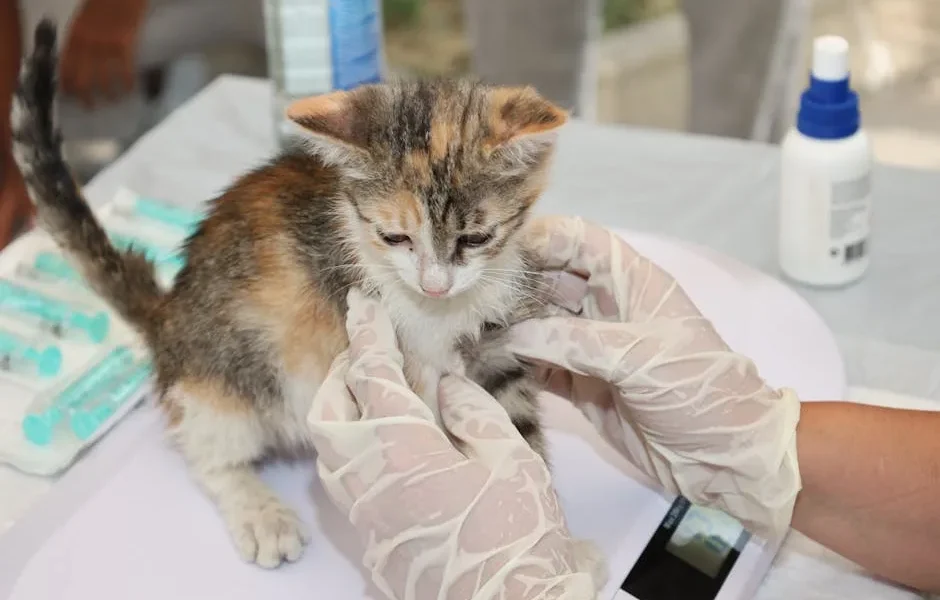
Here’s where new pet parents get confused. Why can’t we just give one shot and call it done? Your puppy or kitten needs a series of vaccinations starting at 6-8 weeks of age, with boosters every 3-4 weeks until they’re 16-20 weeks old. Seems excessive, right?
There’s actually solid science behind this. Puppies and kittens receive antibodies from their mother’s milk, which is great—except those maternal antibodies can interfere with vaccines. The problem? We don’t know exactly when those maternal antibodies fade enough for vaccines to work. So we give multiple doses to catch that window of opportunity. It’s like knocking on a door several times to make sure someone’s home.
Missing vaccines in this series leaves your pet vulnerable during their most critical developmental period. These are the weeks when they’re most susceptible to diseases and most likely to explore the world (read: lick everything). Stick to the schedule your vet recommends. Set phone reminders if you need to.
3. Non-Core Vaccines: Customizing Based on Your Pet’s Lifestyle
Not every pet needs every vaccine, and that’s actually a good thing. Non-core vaccines are recommended based on your specific situation—where you live, how your pet socializes, whether they travel, and their individual risk factors.
For dogs, common non-core vaccines include Bordetella (kennel cough), Lyme disease, leptospirosis, and canine influenza. Does your dog go to doggy daycare, boarding facilities, or the dog park regularly? Bordetella and canine flu vaccines make sense. Live in the Northeast or upper Midwest where Lyme disease is prevalent? That vaccine moves up the priority list. Leptospirosis has actually seen a huge resurgence—cases increased ninefold in some urban areas over the past decade. Many vets now consider it closer to core vaccine status in certain regions.
For cats, feline leukemia virus (FeLV) is the main non-core vaccine. It’s essential for cats that go outdoors or live with FeLV-positive cats, but indoor-only cats may not need it after their initial kitten series. This is exactly the kind of thing you should discuss during your annual wellness exam—your vet can assess your pet’s actual risk.
4. Adult Pet Boosters: The Three-Year Protocol and What Changed
Remember when vets recommended annual vaccines across the board? Yeah, that’s changed. Research on duration of immunity showed that core vaccines actually protect pets for much longer than we originally thought. Now, most core vaccines for adult dogs and cats are given every three years instead of annually.
Rabies follows state law—some states require yearly boosters, others allow three-year vaccines. Your vet knows your local requirements. The three-year protocol isn’t about cutting corners; it’s about following the science. Studies showed that annual boosters weren’t adding protection, just increasing the (admittedly small) risk of adverse reactions.
That said, some vaccines still need annual boosters. Bordetella, canine influenza, and leptospirosis typically need yearly updates because immunity wanes faster. And here’s something cool: titer testing lets you measure your pet’s antibody levels to see if they actually need a booster. It costs more than just getting the vaccine, but for pets with health concerns or previous reactions, it’s a useful tool.
5. The Real Risks: What These Vaccines Actually Prevent
Let’s talk about why we’re doing all this. These aren’t theoretical diseases—they’re real threats that can seriously harm or kill your pet. Parvovirus in puppies causes severe bloody diarrhea, vomiting, and dehydration. Even with aggressive treatment, survival rates only reach 68-92%. Distemper attacks the nervous system and is often fatal. Panleukopenia in kittens? It’s called “feline distemper” for a reason and kills quickly.
Can indoor pets skip vaccines? I get asked this constantly. Short answer: no. Rabies is legally required regardless. And parvovirus? You can literally track it into your house on your shoes. It survives in the environment for months. Your indoor cat might seem protected, but one escape through an open door could mean exposure to unvaccinated feral cats carrying serious diseases.
There’s also the herd immunity factor. When 70-80% of the pet population is vaccinated, we protect the most vulnerable animals—the very young, very old, or immunocompromised pets who can’t be safely vaccinated. Your pet’s vaccines help protect other pets too.
6. Vaccine Safety: Understanding Reactions and Real Risk Levels
Okay, let’s address the elephant in the room. Are vaccines safe? The data is pretty clear: serious adverse reactions occur in about 1 in 10,000 to 1 in 15,000 vaccinations. Mild reactions like lethargy or soreness at the injection site? Those happen in 1-2% of pets and typically resolve within a day or two.
Small breed dogs under 20 pounds do have slightly higher reaction rates, which is why some vets space out vaccines for tiny dogs rather than giving multiple vaccines in one visit. If your pet has had a reaction before, definitely mention it. Your vet can adjust the protocol, pre-medicate with antihistamines, or monitor more closely.
For cats, there’s something called feline injection-site sarcoma—a rare tumor that can develop at injection sites. It’s extremely uncommon (estimated at 1 in 10,000 to 1 in 30,000 cats), but updated guidelines now recommend vaccinating cats in specific limb locations rather than between the shoulder blades. If a tumor does develop, it’s easier to surgically remove from a limb.
Watch your pet after vaccination. Some tiredness is normal. But if you see facial swelling, hives, vomiting, difficulty breathing, or collapse, that’s an emergency—get to the vet immediately. These severe reactions typically happen within minutes to hours of vaccination.
7. Keeping Records and Staying Compliant
This might sound boring, but vaccine documentation matters more than you’d think. Boarding facilities won’t accept your pet without current vaccination records. Many groomers require them too. If you travel across state lines or fly with your pet, you’ll need proof of rabies vaccination. Some pet insurance companies offer discounts for up-to-date vaccines.
Most vets send reminder cards or emails when boosters are due, but life gets busy. I keep photos of my pets’ vaccine certificates on my phone—sounds paranoid, but it’s saved me multiple times when I’ve needed to prove vaccination status on short notice. Many vet clinics now offer online portals where you can access records anytime.
If you move or switch vets, request copies of all medical records including vaccination history. New vets need to know what your pet has received and when. Without records, they might need to restart vaccine series or run titer tests to confirm immunity, which means more time and money.
8. Special Considerations: Senior Pets and Health Conditions
Should your 14-year-old dog with kidney disease still get vaccines? It depends. This is where veterinary medicine becomes more art than science. Senior pets and those with chronic health conditions need individualized protocols.
Your vet might recommend titer testing instead of automatic boosters, prioritizing only legally required vaccines, or spacing out vaccines to reduce stress on the immune system. A pet with cancer undergoing chemotherapy has different needs than a healthy young adult. Risk assessment becomes crucial—what’s the actual likelihood of disease exposure versus the potential stress on an already compromised system?
The preventive care conversation for senior pets includes vaccine protocols as one piece of a larger health management strategy. Geriatric wellness exams often address these questions alongside nutrition, pain management, and quality of life considerations.
Building Your Pet’s Protection Plan
Look, I get it—vaccine schedules feel overwhelming at first. But once you understand the “why” behind the timing, it makes sense. Core vaccines protect against serious threats and legal requirements. Non-core vaccines customize protection based on your pet’s actual life. Boosters maintain immunity over time. It’s not complicated, just systematic.
The best approach? Build a relationship with a vet you trust and have honest conversations about your pet’s lifestyle, your concerns, and what makes sense for your situation. Vaccines aren’t one-size-fits-all, and good vets recognize that. What works for a dog who competes in agility trials is different from what’s right for a cat who never sets paw outdoors.
At the end of the day, vaccines are one of the most effective tools we have for keeping pets healthy. They prevent suffering, save money compared to treating diseases, and protect entire pet communities. And honestly? Once you get past that initial puppy or kitten series, maintenance is pretty straightforward. Just another thing you’ll handle as part of being a responsible pet parent—like remembering to refill the water bowl or pretending your dog’s breath doesn’t clear a room.

Medically reviewed by: Dr. Sarah Chen, DVM, DACVIM