Hydration & Nutrition: How Much Water Does Your Pet Really Need in 2025
I’ll be honest—I never thought much about my cat Luna’s water intake until my vet casually mentioned that most indoor cats walk around slightly dehydrated. That moment sent me down a research rabbit hole that completely changed how I think about pet hydration. Turns out, the simple water bowl sitting in the corner of your kitchen might not be doing as much heavy lifting as you’d think.
Water is the most essential nutrient for pets, yet it’s probably the one we monitor least carefully. We obsess over protein percentages and grain-free formulas, but how many of us actually know if our pets are drinking enough? And what does “enough” even mean?
Let’s talk about what your pet really needs in 2025—because the answer is more nuanced than you might expect.
The Basic Math: How Much Water Does Your Pet Actually Need?
Here’s the formula veterinarians use as a starting point:
Dogs: Approximately 1 ounce of water per pound of body weight daily. So your 40-pound beagle needs about 40 ounces (5 cups) of water each day.
Cats: About 3.5 to 4.5 ounces per 5 pounds of body weight daily. A 10-pound cat needs roughly 7-9 ounces of water.
But these are baseline numbers for a healthy adult pet living in moderate temperatures and eating dry food. Real life throws all sorts of variables into the mix.
What Changes the Equation
Your pet’s actual water needs shift based on several factors:
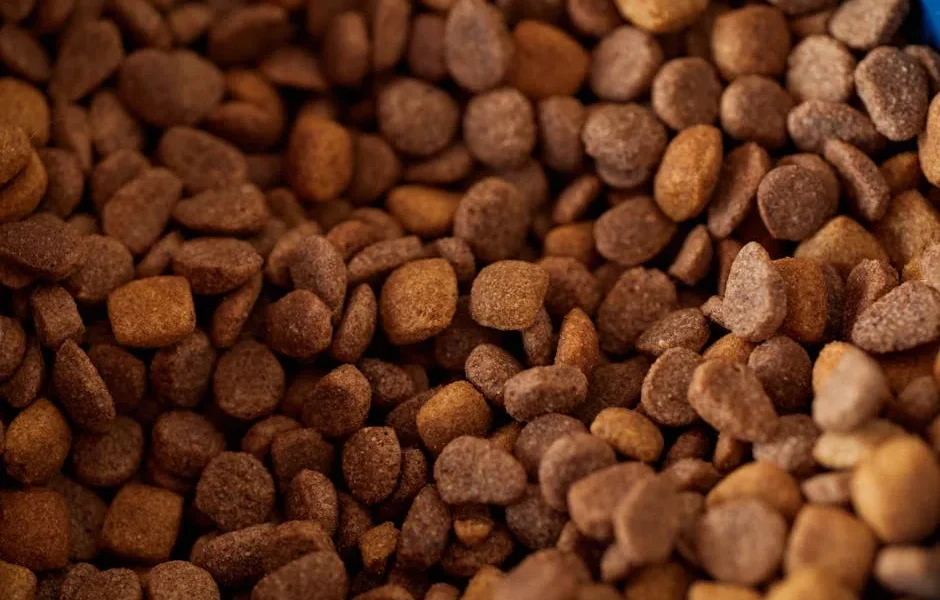
Diet composition matters tremendously. This is probably the biggest variable most pet owners overlook. Dry kibble contains only about 10% moisture, while wet food contains 75-80% moisture. A cat eating exclusively wet food is getting most of their hydration through their meals—they might drink very little from their bowl and still be perfectly hydrated. Meanwhile, a kibble-fed cat needs to drink about three times more to compensate for that moisture deficit.
Temperature and activity level create dramatic swings in hydration needs. During hot weather or after vigorous play, your dog’s water requirements can increase 2 to 4 times the baseline. A dog panting in 85°F heat loses significant fluid through respiration alone. If you’ve got an active dog who loves summer hikes, that 40-ounce baseline can easily become 120+ ounces on a hot day.
Age plays a sneaky role too. Senior pets—that’s dogs over 7 years and cats over 10—often drink less because their thirst drive decreases with age. The cruel irony? Older pets actually need consistent hydration more than ever to support aging kidney function. Puppies and kittens, on the other hand, need proportionally more water per pound than adults because they’re growing and have higher metabolic rates.
The Hidden Dehydration Crisis (Especially in Cats)
Here’s something that surprised me: Studies indicate that 30-40% of house cats exist in a state of mild chronic dehydration. This isn’t dramatic, rush-to-the-vet dehydration—it’s subtle, ongoing under-hydration that contributes to two of the biggest health issues in felines: chronic kidney disease and urinary crystals.
Why are cats so prone to this?
Evolutionary biology, actually. Cats descended from desert-dwelling ancestors who got most of their moisture from prey. They evolved with a naturally low thirst drive. In the wild, cats eating fresh prey (which is about 70% water) stayed hydrated through their diet. But modern house cats eating dry kibble? That evolutionary quirk works against them.
Dogs generally do better at self-regulating their water intake, but they’re not immune to hydration issues either—especially working dogs, brachycephalic breeds (those adorable flat-faced pups who can’t cool themselves efficiently), and senior dogs with declining kidney function.
How to Tell If Your Pet Is Actually Hydrated
Watching the water bowl level drop isn’t enough, especially in multi-pet households. You need to look at your actual pet.
The Skin Tent Test
Gently pinch the skin between your pet’s shoulder blades and lift it up, then release. In a well-hydrated pet, the skin should snap back immediately. If it stays “tented” for a second or two, that’s a sign of dehydration. If it stays up for several seconds, that’s a veterinary emergency.
Other Warning Signs
Dry or sticky gums instead of moist and slippery ones. Sunken eyes. Lethargy or weakness. Decreased skin elasticity. Loss of appetite.
By the time these signs are obvious, your pet is already at least 5% dehydrated—which is clinically significant. At 10-12% dehydration, you’re looking at a life-threatening emergency.
For routine monitoring, watch your pet’s bathroom habits. A well-hydrated cat should produce a good-sized clump in the litter box at least twice daily. Dogs should urinate regularly throughout the day—pale yellow urine is ideal, while dark concentrated urine suggests inadequate hydration.
Wet Food, Broths, and Creative Hydration: What Counts?
Absolutely everything counts toward your pet’s total water intake.
Wet food is hydration. A 5.5-ounce can of cat food at 78% moisture contains about 4.3 ounces of water. Feed your cat two cans daily and they’re getting 8-9 ounces of water before they ever touch their bowl—basically their entire daily requirement.
This is why many vets now recommend wet food, especially for cats prone to urinary issues. It’s much easier to ensure adequate hydration through diet than by hoping your cat will drink more. For more on optimal feeding strategies, check out our guide on essential nutrients for dogs and cats.
Bone broth (unsalted, no onions or garlic) makes an excellent hydration booster. Pour a little over dry food or offer it separately. Ice cubes work great too—many dogs love crunching them, and it’s a fun way to boost water intake on hot days.
Water additives and pet-specific electrolyte products have exploded in popularity lately. These can encourage drinking by adding flavor, but read labels carefully. Avoid anything with artificial sweeteners, especially xylitol which is toxic to dogs. If your pet has specific health concerns covered under therapeutic nutrition, consult your vet before adding supplements.
When Drinking Too Much Signals a Problem
Can a pet drink too much water? Yes, and excessive drinking—called polydipsia—is often a red flag for underlying health issues.
If your pet suddenly starts draining their bowl and asking for refills constantly, pay attention. This can indicate diabetes, kidney disease, Cushing’s disease, or other metabolic conditions.
How do you know what’s “too much”? If your pet is consistently drinking more than double their typical amount, or if increased drinking comes with other changes like increased urination, weight loss, or behavioral shifts, call your vet. This is especially important for senior pets where kidney issues become more common.
Modern Solutions: Tech and Tactics for Better Hydration
We’re living in the age of smart pet technology, and hydration monitoring has gotten an upgrade.
Water Fountains Work
Particularly for cats. Moving water appeals to their instincts—in nature, running water is fresher and safer than stagnant pools. Studies show that water fountains can increase feline water consumption by 20-30%. That’s significant when you’re dealing with a species that’s naturally reluctant to drink.
I switched Luna to a fountain two years ago and the difference was noticeable. She actually sits and drinks instead of taking a few grudging laps and walking away.
Smart Fountains and Bowls
The newest generation of pet fountains connects to apps that track daily water intake and send alerts if consumption drops. These showed up at CES 2024 and 2025, and while they’re pricier than traditional bowls, they’re genuinely useful for monitoring pets with health issues or multiple-pet households where individual intake matters.
Multiple Water Stations
Simple but effective: Place water bowls in several locations around your home. Pets are more likely to drink if water is convenient and they don’t have to trek to a single location every time.
Use stainless steel or ceramic bowls rather than plastic. Plastic harbors bacteria more easily and can cause feline acne (those black spots on your cat’s chin). Wash bowls daily and change water at least once or twice per day. Fresh water matters—would you want to drink from the same glass all day?
Special Considerations Across Life Stages
Hydration needs shift as pets age, and different life stages require different approaches.
Puppies and kittens need proportionally more water per pound because they’re growing rapidly. They also can’t regulate body temperature as well as adults. Make sure water is always accessible, and if you’re crate training, factor in water breaks.
Adult pets in their prime usually self-regulate fairly well if water is available and they’re healthy. This is your baseline-formula stage, adjusted for activity and weather.
Senior pets present the biggest hydration challenge. Their thirst drive decreases right when consistent hydration becomes crucial for kidney health. For aging pets, consider transitioning to wet food if they’re not already eating it, and be proactive about offering water. More tips on feeding older animals are in our senior pet nutrition guide.
Climate Change and the Heat Factor
2024 and 2025 have brought increased attention to pet hydration as global temperatures rise. Veterinary organizations including the AVMA have issued updated heat safety guidelines emphasizing hydration during extended heat waves.
On hot days, don’t just increase water availability—actively monitor that your pet is drinking. Dogs especially need encouragement to drink during and after outdoor activities. Never leave pets in hot cars (obviously), but also be aware that indoor temperatures in un-air-conditioned homes can create hydration stress too.
Some working and sporting dogs benefit from pet-specific electrolyte supplements during intense activity in heat, similar to sports drinks for humans. The market for these products boomed in 2024.
Emergency Dehydration: When to Rush to the Vet
Severe dehydration is life-threatening. Get immediate veterinary care if you see:
Skin that stays tented for more than a few seconds. Very dry, tacky gums. Extreme lethargy or collapse. Sunken eyes. Rapid heart rate. Refusal to eat or drink.
Dehydration often accompanies other emergencies—severe diarrhea, vomiting, heatstroke. These situations require professional intervention with IV fluids.
You can’t fix severe dehydration at home. Don’t wait.
Practical Takeaways for Daily Life
So what should you actually do with all this information?
Start by calculating your pet’s baseline water needs using the formulas above. Then observe their actual habits for a week. Are they hitting the target? If not, why? Diet too dry? Water not appealing? Bowl in an inconvenient location?
Consider switching to or incorporating more wet food, especially for cats. The hydration boost alone justifies it for many pets. Our article on understanding pet food labels can help you compare options.
Invest in a water fountain if you have cats—the 20-30% increase in consumption is worth the $30-50. Wash it weekly to prevent bacterial buildup.
Set up multiple water stations and keep them fresh. This costs nothing and helps.
Check hydration during your regular at-home health checks. Make the skin tent test part of your routine, especially for senior pets.
Adjust for weather and activity. Hot day? Extra water. Long hike? Pack collapsible bowls and offer water every 15-20 minutes.
Watch for changes in drinking habits—both increases and decreases can signal health issues worth investigating.
The Bottom Line
Water is unglamorous compared to trendy grain-free formulas or novel proteins, but it’s the most essential nutrient your pet consumes. Getting hydration right prevents a cascade of health problems, particularly kidney disease which remains a leading cause of death in senior cats.
The good news? Improving your pet’s hydration is usually straightforward once you understand their needs and behaviors. You don’t need expensive supplements or complicated protocols—just awareness, consistency, and maybe a water fountain.
Luna still sometimes gives me that judgmental cat look when I refresh her fountain for the second time that day. But her last bloodwork showed perfect kidney values at age 12, so I’ll take the attitude. Turns out that boring bowl of water matters more than either of us realized.

Medically reviewed by: Dr. Marcus Webb, DVM, DACVECC