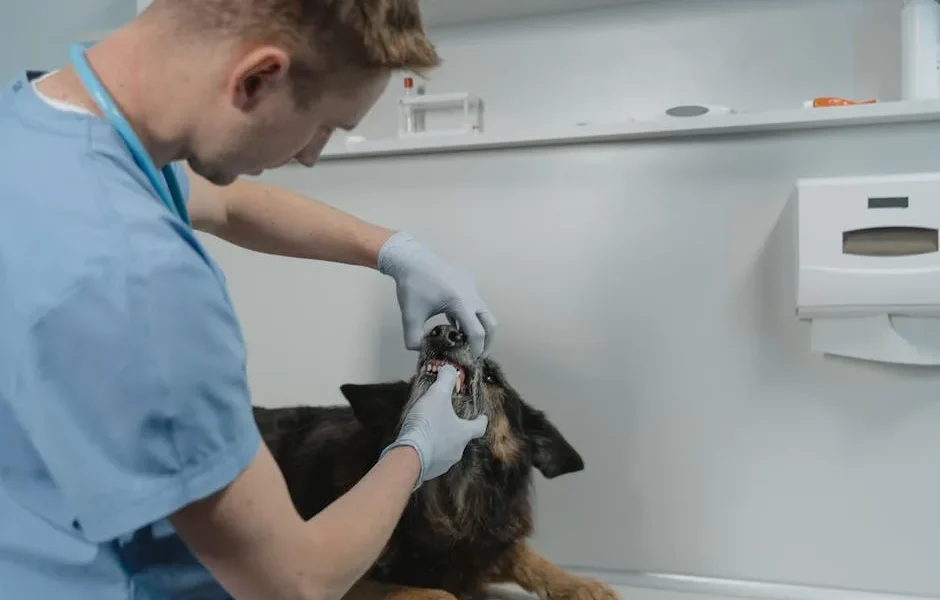
Understanding Pet Dental Health: Why Regular Cleanings Can Add Years to Your Pet’s Life
Here’s something that surprised me when I first started working with pets: that slightly funky breath we all tolerate from our dogs and cats? It’s not just normal “pet breath.” It’s often the first sign of dental disease that could literally be shaving years off their lives.
I’ll be honest—I used to think dental cleanings were one of those “nice to have” things vets recommended to pad the bill. Then I watched a 9-year-old Yorkie transform after finally getting treatment for severe periodontal disease. The owner came back in tears, saying her dog was playing like a puppy again and actually wanted to eat. That’s when it clicked for me.
The stats are genuinely sobering: 80% of dogs and 70% of cats show signs of oral disease by age 3. And we’re not talking about cosmetic issues here—dental disease can literally shorten your pet’s lifespan by 2-3 years because bacteria from infected gums enters the bloodstream and damages vital organs like the heart, liver, and kidneys.
So yeah, this matters. A lot.
Why Pet Dental Health Affects Their Whole Body
Think of your pet’s mouth as a gateway to their entire system. When periodontal disease takes hold, bacteria like Porphyromonas and Fusobacterium don’t just stay in the mouth—they hitch a ride through the bloodstream.
These bacteria can cause:
- Endocarditis (heart valve infections)
- Kidney disease and elevated kidney values on bloodwork
- Liver damage
- Complications with existing conditions like diabetes
I’ve seen bloodwork from pets with severe dental disease, and the kidney and liver values often tell a scary story. The good news? Many of these markers improve significantly after dental treatment.
The connection isn’t theoretical—veterinary cardiology research has documented this link repeatedly. Your pet’s dental health is their overall health.
Step 1: Learn to Spot the Warning Signs Early
Most pet owners miss the early warning signs because our pets are really good at hiding discomfort. They’re also not going to tell us their teeth hurt.
Watch for these red flags:
- Bad breath that smells truly foul (not just typical dog breath)
- Yellow or brown buildup on teeth, especially near the gumline
- Red, swollen, or bleeding gums
- Pawing at the mouth or rubbing their face on furniture
- Dropping food while eating or only chewing on one side
- Reluctance to eat hard kibble they used to love
- Facial swelling, especially under the eyes
- Excessive drooling or blood-tinged saliva
Here’s the thing: if you’re seeing obvious symptoms, the disease is often already advanced. That’s why regular checkups matter so much. For more on what vets look for during these exams, check out this guide to annual wellness exams.
Step 2: Schedule Regular Professional Dental Cleanings
How often does your pet actually need professional cleaning? It depends.
Most pets benefit from annual cleanings, but some need them more frequently:
- Small breeds (Yorkies, Chihuahuas, Dachshunds) need them more often—they have 5x higher incidence of periodontal disease due to tooth crowding
- Brachycephalic breeds (Pugs, Bulldogs, Persian cats) are also higher risk
- Senior pets may need more frequent monitoring
- Cats with tooth resorption need specialized care (20-75% of cats are affected by these painful lesions)
Your vet will recommend a schedule based on your pet’s individual needs during routine checkups.
What Actually Happens During Professional Cleaning
Let’s demystify this because the anesthesia part freaks people out.
A proper veterinary dental cleaning includes:
- Pre-anesthetic bloodwork to ensure your pet can safely handle anesthesia
- Anesthesia (yes, it’s necessary—no pet will tolerate someone scraping their teeth and probing below the gumline while awake)
- Full oral exam with each tooth individually assessed
- Dental X-rays to check below the gumline (27.8% of dental problems are invisible to the eye)
- Scaling to remove tartar above and below the gumline
- Polishing to smooth tooth surfaces
- Fluoride treatment or dental sealant
- Extractions if necessary (infected teeth that can’t be saved)
The anesthesia concern is legitimate, especially for older pets. But here’s the reality: modern anesthetic protocols are incredibly safe, with improved monitoring and short-acting agents designed specifically for geriatric and high-risk patients. The risk of NOT treating dental disease often outweighs the anesthetic risk. For tips on keeping senior pets healthy overall, this article on senior pet care has great information.
Anesthesia-free cleanings are popular, but they’re not endorsed by the American Veterinary Dental College. Why? Because they only clean the visible part of the tooth without addressing disease below the gumline—where it actually matters. It’s like painting over rust.
Step 3: Master Home Dental Care Between Cleanings
Professional cleanings are essential, but what you do at home makes the biggest difference long-term.
Daily tooth brushing reduces plaque by 60-70%. That’s huge. Nothing else comes close to those numbers.
How to Brush Your Pet’s Teeth (Even Resistant Ones)
Start slow. Like, really slow.
Week 1: Just let them lick pet toothpaste off your finger. Get them to love the flavor.
Week 2: Rub the toothpaste on their teeth with your finger. Just the front ones.
Week 3: Introduce a finger brush or soft pet toothbrush. Focus on the outer surfaces—that’s where most tartar builds up.
Week 4+: Work up to brushing all teeth, especially the back molars.
Use pet-specific toothpaste (never human toothpaste—the fluoride and xylitol can be toxic). Pet toothpaste comes in flavors like poultry and beef because pets don’t appreciate minty fresh.
Can’t manage daily? Even 3-4 times per week helps significantly.
Other Home Care Options
While nothing beats brushing, these can help:
- Dental diets and chews with the VOHC seal (Veterinary Oral Health Council)—these are clinically proven to reduce tartar by 20-40%
- Water additives that reduce bacteria (look for VOHC approval)
- Dental wipes for pets who absolutely won’t tolerate brushing
What doesn’t work: dry kibble (it just crumbles), most bones (they can fracture teeth), and wishful thinking.
Step 4: Budget for Dental Care as Preventive Medicine
Let’s talk money because I know it’s a concern.
Professional cleanings typically cost $300-$1,500 depending on your location, the severity of disease, and whether extractions are needed.
That seems expensive until you consider the alternative. Treating advanced periodontal disease with associated organ damage costs way more—think thousands for kidney disease management or heart medications. Plus, you’re buying your pet years of life and comfort.
This is preventive care that actually prevents expensive problems down the line.
Common Mistakes Pet Owners Make
Waiting until the problem is obvious. By the time you smell that breath or see loose teeth, you’re dealing with advanced disease. Annual dental checks catch problems early.
Thinking bad breath is normal. It’s not. It’s bacteria. Lots of bacteria.
Believing dry food cleans teeth. It doesn’t. Studies show no significant difference in dental disease between dry and wet food feeders.
Skipping dental care for senior pets. Older pets often benefit MOST from dental treatment because they’ve had years of bacterial buildup affecting their organs. Yes, anesthesia requires more caution, but modern protocols are remarkably safe.
Using human toothpaste. Fluoride is toxic to pets, and xylitol (a common sweetener) can be deadly, especially for dogs.
Opting for anesthesia-free cleaning. It’s tempting because it seems safer and cheaper, but it doesn’t address disease below the gumline and gives false reassurance.
Additional Tips for Success
Start dental care when your pet is young. Puppies and kittens tolerate tooth brushing way better when it’s always been part of their routine.
Make it positive. Lots of praise, treats after (even though you just brushed their teeth—the irony isn’t lost on me), and keep sessions short.
Consider breed-specific risks. If you have a small breed dog or a flat-faced pet, be extra vigilant. These guys need more frequent professional care.
Watch for tooth resorption in cats. These painful lesions eat away at teeth from the inside and are incredibly common. If your cat suddenly stops eating or seems painful, get them checked immediately. This qualifies as a situation covered in this guide to pet emergency warning signs.
Keep up with vaccinations and overall health. A healthy pet tolerates anesthesia better, making dental procedures safer. Check out this vaccination guide for current recommendations.
Stay hydrated. Proper hydration supports gum health and helps flush bacteria. If you’re wondering about water intake, this hydration guide has the details.
The Bottom Line
I get it—dental care isn’t the most exciting part of pet ownership. It costs money, requires effort, and involves sticking your fingers in your pet’s mouth.
But here’s what I’ve seen time and again: pets who receive regular dental care live longer, healthier, more comfortable lives. They eat better, play more, and avoid the cascade of organ problems that come with chronic dental infection.
Those 2-3 extra years aren’t just statistics. They’re more morning cuddles, more walks, more time with the creature who thinks you’re the best thing ever. That’s worth it.
Start small if you need to. Even getting your pet comfortable with you touching their mouth is progress. Schedule that dental checkup you’ve been putting off. Buy the pet toothpaste. Your future self—and your pet—will thank you.

Medically reviewed by: Dr. Sarah Chen, DVM, DACVIM