Understanding Your Pet’s Annual Wellness Exam: What to Expect and Why It Matters
I’ll be honest: for the first three years I had my dog Charlie, I thought annual vet visits were basically… optional? Like getting your car detailed instead of just washed. He seemed fine, energetic, eating well. Why spend the money and stress him out with a trip to the clinic?
Then his bloodwork at age four revealed early kidney changes. Nothing catastrophic, but caught early enough that dietary modifications could slow progression. My vet explained it bluntly: “If we’d waited until he showed symptoms, we’d be looking at advanced disease and much more aggressive—and expensive—treatment.”
That wake-up call changed everything. Because here’s what most pet owners don’t realize: your dog or cat ages roughly 5-7 times faster than you do. Skipping their annual exam isn’t like you missing a checkup for one year. It’s like you going 4-7 years without seeing a doctor. When you frame it that way, suddenly that appointment doesn’t seem optional at all.
Let’s break down exactly what happens during these wellness visits, why each component matters, and how to make the most of them.
1. The Physical Examination: More Than Just Looking Your Pet Over
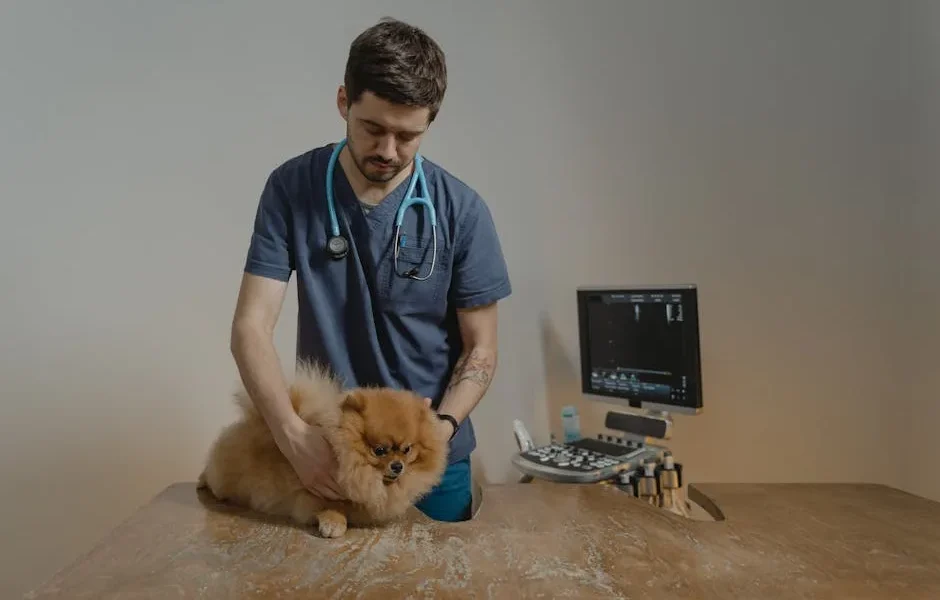
Your veterinarian starts with a systematic head-to-tail assessment that checks things you’d never notice at home. They’re feeling for subtle abnormalities—a slightly enlarged lymph node, a heart murmur that’s developed since last year, early dental disease brewing beneath the gum line, or joint changes indicating arthritis.
This isn’t just poking and prodding. Each area tells a story. When your vet listens to your pet’s heart and lungs, they’re detecting rhythm irregularities or breathing patterns that could indicate heart disease or respiratory issues. The abdominal palpation? They’re assessing organ size and checking for masses, fluid accumulation, or pain responses. That look in the ears isn’t casual—they’re spotting infections, mites, or polyps before they become painful problems.
Studies show this thorough examination can detect diseases 2-3 years earlier than waiting for obvious symptoms to appear. For conditions like heart disease or kidney problems, that early detection window can literally add years to your pet’s life. The physical exam establishes a baseline, too. Your vet learns what’s normal for your specific pet, making it easier to spot changes over time.
2. Weight and Body Condition Assessment: The Silent Health Indicator
Here’s an uncomfortable truth: over half of pets in the U.S. are overweight or obese. And most owners don’t realize it because the weight crept on gradually. Your vet doesn’t weigh your pet to make you feel guilty—they’re tracking a critical health metric.
Even a few extra pounds on a small dog or cat significantly increases risk for diabetes, arthritis, heart disease, and shortened lifespan. Your veterinarian uses a body condition scoring system that goes beyond the number on the scale, assessing whether they can feel ribs easily, if there’s a visible waist, and how much abdominal fat is present.
This conversation matters because it’s not about shaming—it’s about action. If your pet needs to lose weight, your vet can create a realistic plan. (And yes, they can point you toward resources like veterinary diet plans designed specifically for safe weight loss.) Catching weight gain early makes correction so much easier than waiting until your pet has developed obesity-related diseases.
3. Vaccination Review: Personalized Protection, Not One-Size-Fits-All
Gone are the days when every pet got every vaccine annually. Modern veterinary medicine uses risk-based vaccination protocols tailored to your pet’s lifestyle, age, and geographic location.
Your vet will discuss which vaccines are “core”—essential for all pets regardless of lifestyle—versus “non-core” vaccines that depend on risk factors. Does your dog go to boarding facilities or dog parks? They probably need Bordetella and canine influenza vaccines. Indoor-only cat? They might skip feline leukemia. Live in an area with high leptospirosis rates? That vaccine moves up the priority list.
Some vaccines provide immunity for three years, not one, so your pet might not need every shot at every visit. This is why comprehensive preventive care requires veterinary guidance—it’s genuinely personalized medicine. Your vet also checks vaccine records to ensure proper timing and avoids over-vaccinating, which has its own concerns.
4. Parasite Screening and Prevention: The Hidden Threats
Even indoor pets can be exposed to parasites. Mosquitoes carrying heartworm can fly through open doors. Fleas hitchhike on your clothing. Intestinal parasites persist in soil for years.
During wellness exams, your vet typically recommends a fecal test to check for intestinal parasites—roundworms, hookworms, giardia, and others that can cause serious illness or even transmit to humans. For dogs, heartworm testing is standard because treating heartworm disease costs $1,000-1,800 and involves months of restricted activity and potential complications. Preventing it? About $50-120 annually.
Your vet will also review your current prevention protocol. Are you giving monthly heartworm prevention consistently? Is your flea and tick product actually working, or have you noticed breakthrough infestations? Climate change and increased pet travel mean parasite ranges are expanding—diseases once confined to specific regions are showing up in new areas. Your veterinarian stays current on these emerging threats and adjusts recommendations accordingly.
5. Bloodwork and Diagnostics: The Game-Changer for Early Detection
This is where wellness exams really prove their worth, even though it’s the part that makes owners most skeptical about cost. Baseline bloodwork detects problems you cannot see from the outside.
For younger, apparently healthy pets, screening bloodwork catches abnormalities in about 10-15% of cases. For senior pets (7+ years), that jumps to 25-30%. We’re talking kidney disease, liver problems, diabetes, thyroid dysfunction, anemia, and more—all detected before your pet shows any symptoms.
A complete blood count (CBC) evaluates red blood cells, white blood cells, and platelets, revealing anemia, infections, clotting disorders, and immune system problems. A chemistry panel assesses organ function—kidneys, liver, pancreas—plus electrolytes, blood sugar, and proteins. For senior pets, vets often add thyroid testing, urinalysis, and blood pressure measurement.
Early kidney disease markers like SDMA can detect 25-40% loss of kidney function before traditional tests show problems. That earlier detection means dietary changes and medications can slow disease progression significantly. It’s the difference between managing a chronic condition versus facing kidney failure.
6. Dental Health Evaluation: The Mouth-Body Connection
Your vet lifts your pet’s lips and examines teeth and gums for a reason that goes way beyond bad breath. Dental disease affects up to 80% of dogs and 70% of cats by age three, and it’s not just a mouth problem.
Bacteria from infected gums enter the bloodstream and can damage the heart, liver, and kidneys. Your veterinarian checks for tartar buildup, gingivitis, loose teeth, oral masses, and signs of pain. They’re also educating you on home dental care and determining whether your pet needs professional cleaning under anesthesia.
Untreated dental disease causes genuine suffering. Pets are experts at hiding pain, so you might not realize your dog’s reluctance to eat hard food or your cat’s decreased grooming stems from a painful mouth. The wellness exam catches these issues before they escalate to tooth root abscesses or jaw bone infections requiring extensive surgery.
7. Behavioral and Lifestyle Discussion: The Overlooked Wellness Component
A good wellness exam isn’t just physical—your vet should ask about changes in behavior, appetite, energy level, bathroom habits, and daily routine. These conversations reveal problems that don’t show up on physical examination.
Has your cat started urinating outside the litter box? Could be a urinary tract infection, kidney disease, diabetes, or arthritis making it painful to climb into the box. Is your dog suddenly anxious or aggressive? Might be pain-related, thyroid dysfunction, or cognitive decline. Drinking more water than usual? That’s often the first sign of diabetes or kidney disease, but owners rarely notice the gradual increase unless asked directly. (If you’re wondering about normal water intake, here’s what veterinarians recommend.)
Your vet can also address nutrition questions during this time. Wondering if your pet’s diet is appropriate for their age and health status? Concerned about potential food allergies? This is the time to discuss it. Don’t wait until problems develop.
8. Senior Pet Protocols: Why Older Animals Need More Frequent Monitoring
Once your pet hits 7-8 years old (earlier for giant breed dogs), veterinarians typically recommend twice-yearly wellness exams instead of annual visits. This isn’t overkill—it’s biology.
Senior pets age rapidly, and diseases progress faster. Six months in an older pet’s life represents significant physiological change. Catching conditions like kidney disease, diabetes, hyperthyroidism (in cats), cancer, or arthritis in early stages dramatically improves treatment outcomes and quality of life.
Senior wellness protocols often include more comprehensive testing: expanded bloodwork panels, urinalysis, blood pressure checks, and sometimes imaging like chest X-rays or abdominal ultrasound depending on breed predispositions and exam findings. Yes, this costs more than a basic annual exam. But consider this: pets receiving regular preventive care live on average 2.5 years longer than those getting sporadic or emergency-only care.
Your vet might also discuss therapeutic diets for senior pets with developing health conditions, pain management for arthritis, or cognitive support for dogs showing signs of canine cognitive dysfunction.
9. Cost Transparency: Budgeting for Preventive Care
Let’s talk money, because I know cost concerns keep some owners from scheduling these appointments. A basic wellness exam typically runs $50-100, depending on your location. Add vaccines ($20-30 each), fecal testing ($25-50), heartworm test ($20-45), and bloodwork ($100-250 depending on comprehensiveness), and you’re looking at $200-500 for a complete wellness visit.
That feels like a lot upfront. But compare it to treating advanced disease: heartworm treatment costs $1,000-1,800. Managing diabetes runs $50-100 monthly for life. Treating advanced dental disease requiring extractions? $800-2,000. Studies show early disease detection through wellness exams reduces treatment costs by 30-50% compared to treating advanced-stage illnesses.
If cost is a barrier, talk to your vet about prioritizing. What’s absolutely essential for your pet’s age and risk factors? Many practices now offer wellness plans that spread costs over monthly payments. Some tests can be postponed if your pet is young and low-risk. But skipping the exam entirely? That’s false economy.
10. What to Bring and How to Prepare: Maximizing Your Appointment
You can make wellness exams more productive with a little preparation. Bring a fresh fecal sample if possible—collect within 12 hours of the appointment and refrigerate it. Your vet needs fresh samples for accurate parasite screening.
Write down any questions or concerns before you go. In the moment, you’ll forget half of what you wanted to ask. Note any changes you’ve observed, even if they seem minor: increased thirst, occasional limping, new lumps, behavioral shifts, appetite changes, bathroom habit alterations.
Bring your pet’s vaccination records if you’ve seen other veterinarians or moved recently. List any medications or supplements your pet takes, including doses. If your pet is anxious at the vet, mention it when you book the appointment—some practices offer calming protocols or can schedule during quieter times.
And here’s something vets wish more owners knew: if you’re concerned about a specific issue, don’t save it for the end of the appointment as an afterthought. Mention it upfront so your vet can allocate appropriate time and attention. That “oh, by the way” moment as you’re walking out often reveals something that needs a full workup.
Between Visits: Warning Signs That Can’t Wait
Annual wellness exams don’t mean you ignore concerning symptoms between appointments. Some signs require immediate attention, not waiting months for the next scheduled visit.
If your pet shows emergency warning signs like difficulty breathing, collapse, seizures, severe vomiting or diarrhea, inability to urinate, suspected toxin ingestion, or trauma, get to a vet immediately. But subtler changes also warrant earlier rechecks: progressive weight loss, decreased appetite lasting more than 24 hours, increased urination or water consumption, persistent coughing, or lameness lasting more than a day or two.
Your wellness exam establishes your pet’s baseline normal. You become more attuned to what’s typical for your individual animal, making it easier to recognize when something’s off. Trust those instincts and call your vet with concerns. They’d rather you check in about something minor than delay on something serious.
The reality? Annual wellness exams aren’t about upselling or unnecessary testing. They’re about giving your pet the best shot at a long, healthy life. Every pet owner I know who’s lost an animal to a disease caught too late wishes they’d been more diligent about preventive care. Don’t let that be your regret. Your pet depends on you to notice what they can’t tell you—and your veterinarian depends on regular exams to catch what you can’t see.
Schedule that appointment. Your future self—and your pet—will thank you.

Medically reviewed by: Dr. Sarah Chen, DVM, DACVIM