Parasite Prevention in Pets: Year-Round Protection Guide for Fleas, Ticks & Heartworms
I’ll never forget the call from my neighbor Sarah last January. Her retriever Bailey had been scratching for weeks—in the middle of a Wisconsin winter, mind you—and she’d just assumed it was dry skin from the furnace running constantly. Turns out? Fleas. In January. In Wisconsin.
She’d stopped Bailey’s preventatives after Thanksgiving, figuring the hard frosts had killed everything off. Classic mistake. And honestly? I get it. When you’re shelling out fifteen to twenty bucks a month for medication and there’s three feet of snow outside, it feels excessive.
But here’s what most pet owners don’t realize: those parasites are way more resourceful than we give them credit for.
The Myth of Winter Safety
We like to think winter kills everything off. Freezing temperatures, snow, ice—surely nothing survives that, right?
Wrong.
Fleas complete their entire lifecycle in your heated home at a cozy 70°F. They don’t need to venture outside at all. The eggs fall off your pet into your carpet, between floorboards, under furniture. Two to three weeks later, you’ve got a full-blown infestation. And here’s the kicker: only about 5% of a flea problem lives on your actual pet. The other 95%? That’s eggs, larvae, and pupae chilling in your environment, waiting.
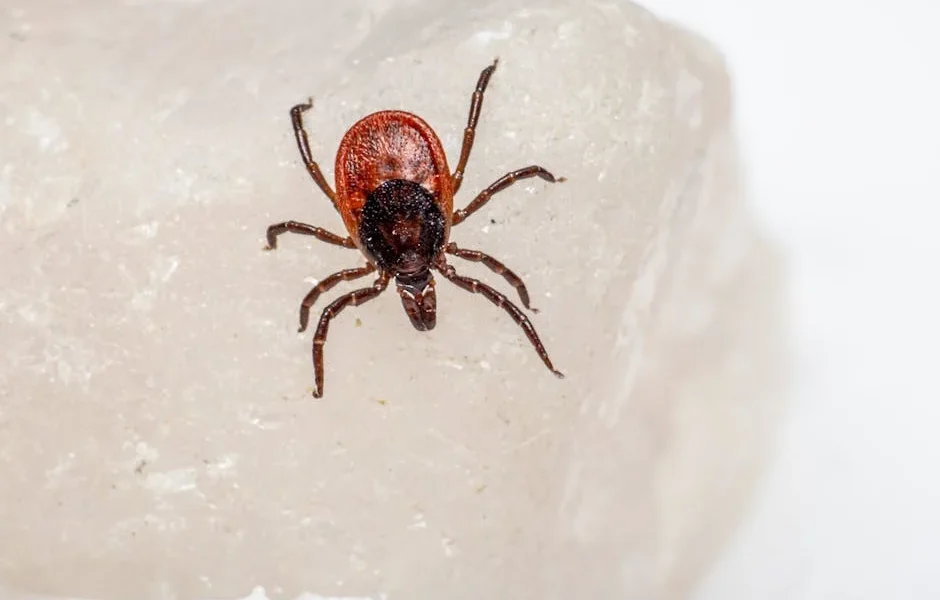
Ticks are almost as stubborn. They stay active whenever temps creep above 45°F. You know those random warm February days? Yeah, ticks know about those too. I’ve pulled ticks off dogs in December during mild spells. Not fun.
And heartworm? That’s transmitted by mosquitoes, which admittedly do take a break in most climates. But mosquitoes have been found active year-round in heated garages, basements, and crawl spaces. Plus, missing even one or two doses of preventative can create gaps in protection that put your pet at serious risk.
The Real Cost of Skipping Prevention
Let’s talk money for a second because I know that’s part of the equation for everyone.
Quality monthly parasite prevention runs about $60 to $200 annually depending on your pet’s size and which product you choose. It feels like a lot when you’re buying it month after month. I get that sticker shock.
But heartworm treatment? Try $1,000 to $1,800. Per dog. And that’s assuming everything goes smoothly—hospitalization, multiple injections, strict exercise restriction for months, follow-up testing. I’ve seen dogs have complications that pushed costs well over $3,000.
Even a bad flea infestation gets expensive fast. You’re treating your pet, treating your house, maybe treating your yard, possibly replacing bedding or furniture if things got really bad. Then there’s the vet visits for flea allergy dermatitis or secondary skin infections.
Prevention is genuinely cheaper. Not just a little cheaper—dramatically, significantly cheaper.
What Actually Works These Days
The parasite prevention landscape has changed a lot in the past decade. When I first got into veterinary work, you had your heartworm pill, your flea treatment, your tick treatment—all separate products. Now? Most prescribed preventatives are combination formulas.
Products like Simparica Trio knock out fleas, ticks, heartworm, and even intestinal parasites like roundworms and hookworms. One monthly chewable. Done.
The isoxazoline class of medications (Bravecto, Simparica, Nexgard, Credelio) has really changed the game for flea and tick control. They work differently than older products, and they’re showing much better efficacy against resistant flea populations. Because yes, fleas can develop resistance to treatments—just like bacteria developing antibiotic resistance.
You’ve also got options now for extended-duration products. Some last three months, others six. Great for people who struggle with monthly schedules or have pets who turn into ninja escape artists when they see the pill bottle coming.
Topical treatments still exist—those squeeze-on liquids you apply between the shoulder blades—but oral products have largely taken over. They’re less messy, no worrying about kids or other pets touching the application site, and swimming or bathing doesn’t affect them.
The Indoor Cat Conversation
Cat owners, don’t think you’re off the hook here.
I hear this constantly: “But Fluffy never goes outside!” Here’s the uncomfortable truth—25 to 30% of cats diagnosed with heartworm were strictly indoor cats. Mosquitoes come inside. They slip through screens, doors, any tiny opening.
And there’s no approved heartworm treatment for cats. None. Once a cat gets heartworm, you’re managing symptoms and hoping their immune system fights it off. Prevention is literally the only option.
Plus, indoor cats can still get fleas. They hitch rides on your clothing, on dogs who do go outside, on visitors. I’ve seen it happen in high-rise apartments.
Cats need year-round protection too. Just make absolutely certain you’re using cat-specific products. Some dog parasite preventatives contain ingredients that are toxic—sometimes fatally toxic—to cats. This isn’t something to wing or share between pets.
Geographic Reality Check
Every single state in the U.S. reports heartworm cases now. All fifty. The highest concentrations hang around the Mississippi River valley and along the Atlantic and Gulf coasts, but nowhere is truly safe.
Climate change is expanding tick ranges northward. Lone star ticks and blacklegged ticks are showing up in regions where they weren’t established a decade ago. Active seasons are getting longer.
That northern region where you thought winter was your friend? Those protections are eroding. I’m seeing heartworm cases in areas that veterinarians used to consider low-risk.
When Products Don’t Seem to Work
Sarah—my neighbor with the January fleas—asked me something after we got Bailey sorted out: “If prevention works so well, why do I keep hearing about dogs on preventatives who still get parasites?”
Fair question. Here’s the thing: most parasite preventatives work by killing parasites after they bite or infect your pet. They’re not force fields. A tick can still attach for a few hours before the medication kills it. A flea can still jump on.
The goal isn’t zero contact with parasites. The goal is killing them before they can establish, reproduce, or transmit disease.
You might see a tick on your dog even though they’re on prevention. That tick should die within 12-24 hours, which is usually before disease transmission occurs. Most tick-borne illnesses require 24-48 hours of attachment to transmit.
If you’re seeing continued heavy infestations despite using prevention consistently? That’s worth investigating. Could be resistance, could be environmental contamination that needs treatment, could be a product issue. Talk to your vet.
Making It Work for Your Life
I know compliance is the real challenge. Life gets busy. You forget a dose. You run out and don’t reorder immediately. Maybe money’s tight one month.
Here’s what helps: set phone reminders. Order refills automatically if your vet clinic offers that. Stock up when there are manufacturer rebates (they run them regularly).
If cost is genuinely prohibitive, have an honest conversation with your vet. Some clinics work with you on payment plans. Some areas have low-cost clinics that offer preventatives at reduced rates. Online pharmacies are cheaper, though stick with verified ones—counterfeit pet medications are a real problem.
And please, please don’t just stop because your pet seems fine. By the time symptoms appear with something like heartworm, significant damage has already occurred. These medications work best as prevention, not treatment.
The puppies and kittens in your life need protection too, by the way. Most can start heartworm prevention as young as 6-8 weeks. Your vet can guide you on appropriate schedules for young pets and adjust as they grow.
The Bigger Picture
There’s another angle here that doesn’t get talked about enough: you’re protecting your family too.
Ticks don’t discriminate. If they’re on your dog, they can transfer to you. Lyme disease affects nearly 476,000 Americans annually according to CDC estimates. Rocky Mountain spotted fever, ehrlichiosis, anaplasmosis—these aren’t just pet problems.
Preventing parasites on your pets reduces household exposure for everyone. Kids playing with the dog in the yard, hiking as a family, even just having pets sleep in your bed—all of these activities carry lower risk when your pets are protected.
And if your senior pet needs adjusted care protocols, parasite prevention remains essential throughout their life. Maybe you switch products as they age or develop health conditions, but stopping altogether? Not recommended.
Look, I’m not getting kickbacks from pharmaceutical companies here. I just hate seeing preventable suffering. Bailey’s flea infestation was uncomfortable for her and expensive and time-consuming for Sarah. It didn’t have to happen.
Year-round protection isn’t a scam or overkill. It’s evidence-based medicine that genuinely works. The parasites don’t take winters off anymore. Neither should we.

Medically reviewed by: Dr. Sarah Chen, DVM, DACVIM