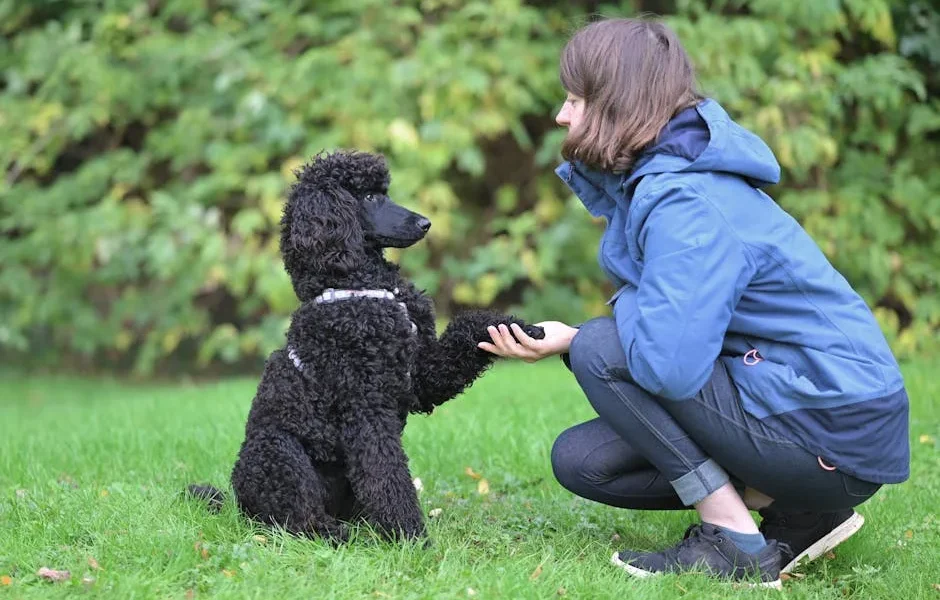
How to Teach Your Dog to Stop Jumping on People: Veterinary Behavior Tips
I’ll never forget the afternoon my friend’s Golden Retriever knocked over her 80-year-old grandmother during an enthusiastic greeting. Thankfully, no bones were broken, but it was a wake-up call. What seemed like harmless excitement suddenly became a serious safety issue.
Here’s the thing: jumping is one of the top three behavioral complaints among dog owners, affecting 60-70% of households with young dogs. And it’s not just annoying—jumping dogs contribute to an estimated 80,000+ emergency room visits annually in the US, mostly involving knocked-down children and elderly adults.
The good news? This is completely fixable. With consistent training based on modern veterinary behavior science, most dogs show significant improvement within weeks. Let’s dig into why dogs jump and how to teach them a better way to say hello.
Why Do Dogs Jump on People in the First Place?
Dogs don’t jump to dominate you or because they’re being “bad.” They jump because it works.
Think about it from your dog’s perspective. When they jump up, what happens? You look at them. You touch them (even if you’re pushing them away). You talk to them (even if you’re saying “no”). Mission accomplished—they got your attention.
This is what veterinary behaviorists call self-rewarding behavior. Even negative attention reinforces jumping because the dog achieved their goal: interaction with you. That’s why simply pushing your dog away or scolding them rarely works long-term.
Dogs jump primarily during greetings because they’re excited and want to get closer to your face. Puppies naturally greet adult dogs by licking their muzzles, and jumping is their attempt to reach your face for the same greeting ritual.
Why Some Dogs Jump More Than Others
High-energy breeds like Labrador Retrievers, Golden Retrievers, Boxers, and Pit Bulls show twice the jumping persistence compared to calmer breeds. Large breeds pose obvious safety risks, but here’s something interesting: small breed jumping often goes completely uncorrected because owners think it’s cute or harmless. Which just reinforces the behavior further.
When Should You Start Training?
Yesterday would’ve been ideal. But today works too.
Seriously though—puppies as young as 8-12 weeks should begin learning “four on the floor” protocols. Waiting until adolescence (6-18 months) makes stopping the behavior three to four times more difficult, according to veterinary behaviorist consensus.
If you missed that early window, don’t panic. Adult dogs can absolutely learn not to jump. It just takes a bit more time and patience.
Step 1: Stop Rewarding the Jumping (Even Accidentally)
First things first—you need to make jumping completely unrewarding.
This is harder than it sounds because we accidentally reward jumping all the time. When your dog jumps and you push them away, say their name, make eye contact, or even just shift your body weight, you’ve given them attention. That’s a reward.
Instead, try this: the moment your dog’s front paws leave the ground, become a statue. No eye contact. No touching. No talking. Cross your arms and look at the ceiling or turn your entire body away.
Yes, it feels awkward. Do it anyway.
The instant all four paws hit the floor, immediately praise and pet your dog calmly. You’re teaching them that paws on the floor = good things, paws on you = absolutely nothing.
Step 2: Teach an Alternative Greeting Behavior
Dogs need to do something when they’re excited to see you. If we just tell them what NOT to do, we haven’t actually solved the problem. We need to teach them what TO do instead.
Sitting is the gold standard alternative behavior. A dog can’t jump and sit simultaneously.
Here’s how to train it:
Practice when you’re NOT arriving home. Throughout the day, randomly ask your dog to sit, then immediately reward with treats and calm praise. Build this skill when emotions are low.
Add the greeting context gradually. Walk out of the room and come back. Before your dog can jump, ask for a sit. When they comply, reward with calm attention and treats. Repeat this dozens of times.
Keep greetings calm. I know it’s tempting to get all excited when you see your dog after being gone. But high-energy greetings create high-energy dogs. Try greeting your dog the same way you’d greet your neighbor—pleasant but calm.
Step 3: Manage the Environment During Training
Training takes time, but life doesn’t stop. You’ll have visitors. You’ll take walks. Your dog will meet people.
Management tools prevent your dog from practicing the wrong behavior while they’re still learning. Studies show that combining physical management with training produces 70% faster results than training alone.
Use a leash. When guests arrive, put your dog on a leash before opening the door. You can’t control your dog’s impulse to jump yet, but you can control whether they physically reach the person. Step on the leash, leaving just enough slack for your dog to stand comfortably but not enough to jump.
Try tethering. Attach your dog’s leash to a heavy piece of furniture several feet away from the door. When visitors arrive, your dog can see and greet people but can’t reach them to jump.
Use baby gates strategically. Keep your dog behind a gate when guests first arrive. Once everyone is settled and calm, bring your dog out on leash for controlled greetings. Similar to crate training strategies, this creates boundaries that help your dog succeed.
These tools aren’t forever. They’re training wheels while your dog develops better habits.
Step 4: Get Everyone on the Same Page
This is where most training falls apart.
If your dog gets rewarded for jumping even 30% of the time—by anyone—the behavior can persist indefinitely. That’s how variable reinforcement works, and it’s incredibly powerful.
This means every single person in your household needs to follow the same rules. Your partner, your kids, your roommate, that friend who always gets your dog riled up. Everyone.
Have a family meeting. Explain the plan. Make it clear that anyone who pets the dog while jumping is actively undoing all the training work.
What About Visitors and Strangers?
You can’t control random people on walks, but you can prepare for them.
When someone approaches and wants to pet your dog, speak up: “She’s learning not to jump. Could you please only pet her if all four paws are on the ground?” Most people are happy to help.
If your dog starts jumping anyway, simply create distance. Pull them back a few steps and wait for all four paws on the ground before allowing the greeting to continue.
Step 5: Practice, Practice, Practice
With consistent training, most dogs show 50% reduction in jumping within 2-3 weeks and 80-90% reduction within 6-8 weeks.
But consistency is key. Practice these greeting exercises multiple times daily:
The arrival drill. Leave the house and immediately return. Practice calm greetings 5-10 times in a row. This removes the novelty and excitement from your arrival.
The visitor drill. Ask a friend to help. Have them knock, enter, and ignore your dog until all four paws are down. Then greet calmly. Repeat until your dog defaults to keeping paws on the floor.
The walk greeting drill. On walks, every time you see another person (from a distance), ask your dog to sit before they can greet. Reward heavily for sitting while people pass or approach.
Common Mistakes That Sabotage Your Training
Let’s talk about what NOT to do—because these mistakes are everywhere.
Mistake #1: Knee Bumps or Physical Corrections
You’ve probably heard advice about kneeing your dog in the chest when they jump or stepping on their back paws. Major veterinary behavior organizations released updated 2024 position statements explicitly recommending against these techniques.
Why? They can cause injury, they damage your relationship with your dog, and frankly, they don’t work very well long-term. Studies show positive reinforcement methods have 85-90% success rates versus punishment-based methods at only 45-60%—plus punishment creates anxiety as a bonus side effect.
Skip the corrections entirely. Just become boring when paws leave the floor and exciting when they’re on it.
Mistake #2: Excited Homecomings
We’ve all done it. You walk in after work and immediately launch into baby talk: “Who’s a good dog? Did you miss me? I missed you SO much!”
Your enthusiasm is sweet. It’s also teaching your dog that arrivals are SUPER EXCITING EVENTS that warrant jumping, spinning, and general chaos.
Try this instead: walk in calmly, ignore your dog for the first minute (even if it breaks your heart), let them settle, then greet them quietly when they’re calm.
Mistake #3: Inconsistency Between Family Members
Mom ignores the jumping. Dad thinks it’s funny and pets the dog anyway. The kids squeal with excitement when the dog jumps on them.
Your dog isn’t confused—they’re actually learning perfectly. They’re learning that jumping works sometimes, which is enough to keep the behavior alive.
Everyone needs to respond identically, every single time. No exceptions.
Mistake #4: Waiting Too Long to Address It
That tiny 10-pound puppy jumping is adorable, right? Fast forward six months when they’re 60 pounds of pure enthusiasm launching at your chest.
Not so adorable anymore.
Train the behavior you want from day one. Your future self (and your grandmother) will thank you.
Special Situations: What If Your Dog Jumps on Children or Elderly People?
This isn’t just a training issue—it’s a safety issue.
Until your dog is reliably trained, separate them from vulnerable individuals during greetings. Use baby gates, closed doors, or leash control. Period.
When you do allow interactions, always supervise closely. Keep your dog on leash. Have children stand still and cross their arms (making themselves boring) until the dog is calm. Only then can they pet your dog at chest level, not over their head.
If your dog shows any signs of frustration or aggression mixed with the jumping behavior, stop immediately and consult a veterinary behaviorist or certified professional trainer. That’s a different issue requiring professional intervention.
When to Seek Professional Help
Most jumping behaviors respond well to the training outlined above. But sometimes you need backup.
Consider contacting a certified professional dog trainer (CPDT) or veterinary behaviorist if:
- Your dog shows no improvement after 8-12 weeks of consistent training
- The jumping is accompanied by mouthing, nipping, or aggressive behavior
- Your dog seems anxious or distressed (jumping might be stress-related, similar to separation anxiety behaviors)
- The behavior is dangerous—you have a giant breed dog knocking people down regularly
- You’re feeling overwhelmed or unsure how to proceed
There’s no shame in getting help. That’s what professionals are for.
Tips for Faster Success
Want to speed things along? Here are some insider tips from veterinary behavior protocols:
Exercise before greetings. A tired dog is a calmer dog. Take a walk before you expect visitors or practice training sessions after playtime. Just like addressing destructive behaviors, adequate exercise makes training easier.
Use high-value treats during training. Regular kibble won’t cut it when your dog is excited. Break out the good stuff—small pieces of chicken, cheese, or commercial high-value training treats.
Practice with mock arrivals. Don’t just train during real arrivals. Set up practice sessions throughout the day so your dog gets dozens of repetitions without the high emotion of actual comings and goings.
Reward calmness in general. Throughout the day, randomly reward your dog whenever they’re lying calmly or sitting quietly. You’re building a generally calmer dog, which makes everything easier.
Consider a “place” command. Teaching your dog to go to a mat or bed when the doorbell rings can be easier than expecting them to sit-stay at the door. It gives them a job and removes them from the temptation.
The Bottom Line
Teaching your dog not to jump takes consistency, patience, and a united front from everyone in your household. But it’s absolutely doable.
Remember: your dog isn’t trying to be bad. They’re just trying to say hello the only way they know how—until you teach them a better way. With modern, science-based training methods focused on rewarding what you want rather than punishing what you don’t, most dogs improve dramatically within weeks.
Start today. Your dog can learn. Your guests will appreciate it. And honestly? You’ll both be happier when greetings are calm and connected rather than chaotic and stressful.
And if your dog has other behavioral quirks you’re working on—like nighttime barking or seemingly random barking episodes—the same principles apply. Clear communication, consistency, and positive reinforcement will get you there.

Medically reviewed by: Dr. Sarah Chen, DVM, DACVIM