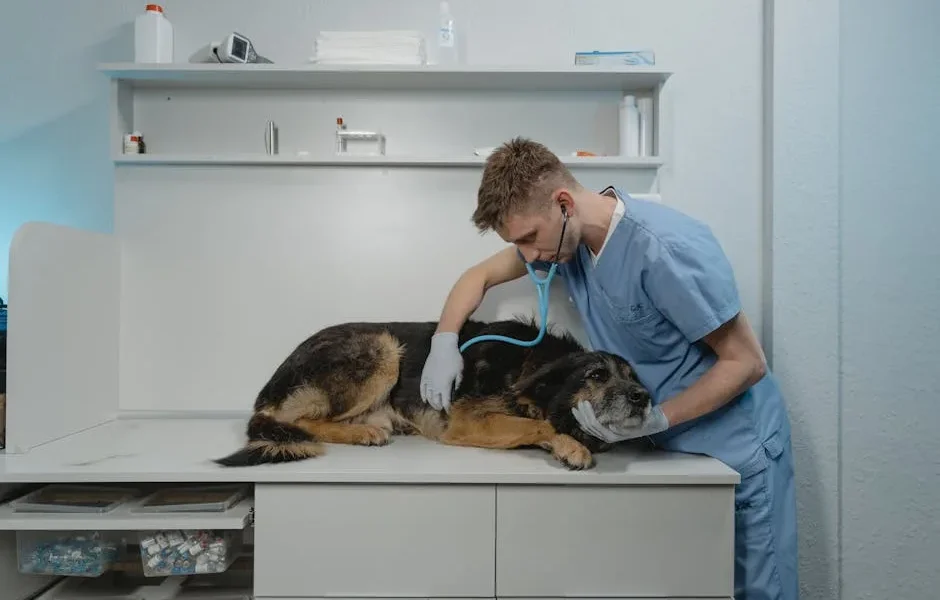
Heartworm Treatment for Dogs: Complete Medication Protocol 2025
I’ll never forget the look on my friend Sarah’s face when her rescue dog tested positive for heartworms two weeks after adoption. The fear, the guilt, the immediate panic about costs and risks. It’s a conversation I’ve had more times than I can count over the years, and honestly? The information out there is confusing as hell.
Let’s cut through the noise and talk about what heartworm treatment actually looks like in 2025—the real protocol, the actual risks, and yeah, the costs you need to prepare for.
What’s the Standard Heartworm Treatment Protocol for Dogs in 2025?
The gold standard treatment hasn’t changed dramatically, but the protocol has gotten more refined. Here’s what your vet should be recommending:
First, there’s a pre-treatment phase that lasts about 30-60 days. Your dog starts doxycycline (10mg/kg twice daily) for a full month. This antibiotic targets Wolbachia bacteria that live inside the heartworms, and research from 2023-2024 shows it reduces post-treatment inflammation by 30-40%. It’s not optional anymore—the American Heartworm Society made this crystal clear in their 2024 guidelines.
During this same period, your dog also starts on monthly heartworm preventative (usually ivermectin-based) to kill any microfilariae (baby heartworms) circulating in the bloodstream. Plus prednisone to manage inflammation.
Then comes the actual adulticide treatment: melarsomine dihydrochloride injections, sold as Immiticide or Diroban. This is the only FDA-approved drug that kills adult heartworms, and it works. The standard protocol involves three deep intramuscular injections into the lumbar muscles—one injection, then 30 days later, two more injections 24 hours apart.
The whole treatment timeline? You’re looking at 2-4 months from start to finish, with strict exercise restriction throughout. And I mean strict. We’ll get to that.
How Dangerous Is Heartworm Treatment and Could My Dog Die From It?
Let’s be honest about this because the fear is real and legitimate.
Melarsomine treatment has a 90-95% efficacy rate when done correctly. But the biggest risk isn’t the medication itself—it’s what happens when those adult worms die. As they decompose, they break into fragments that travel through the bloodstream to the lungs, potentially causing pulmonary thromboembolism. That’s the fancy term for blood clots in the lungs, and it’s the leading cause of treatment-related deaths.
Here’s the thing though: the risk is manageable if—and this is huge—you follow exercise restriction protocols religiously. Your dog needs strict crate rest for 6-8 weeks during and after treatment. No walks, no playing, no excitement. Just bathroom breaks on a leash.
I know that sounds extreme. It is extreme. But physical activity increases blood flow, which means those worm fragments move faster and are more likely to cause blockages.
The actual mortality rate for properly managed treatment? Studies show it’s around 2-5% for uncomplicated cases, higher for advanced disease (Class 3-4). Dogs with severe infections, significant lung or heart damage, or those who can’t be kept calm have higher risks. Your vet should stage the disease before treatment—Class 1 dogs (minimal symptoms) do much better than Class 4 dogs (severe, life-threatening disease).
Compare that to untreated heartworm disease, which is eventually fatal. The treatment carries risks, absolutely, but they’re calculated risks that veterinary medicine has gotten pretty good at managing.
What About the “Slow-Kill” Method—Is It a Safe Alternative?
Okay, this is where I get a bit ranty because there’s so much misinformation floating around.
The “slow-kill” method means giving only monthly heartworm preventative (ivermectin) plus doxycycline, without the melarsomine injections. The theory is the preventative slowly kills adult worms over 12-24+ months. It’s cheaper upfront—no expensive adulticide injections.
But here’s what the American Heartworm Society says flat-out: they don’t recommend it. At all.
Why? Several reasons. First, it takes forever—potentially two years or more—and during that entire time, adult worms continue damaging your dog’s heart and lungs. Second, the complication rate is actually higher because you’re dealing with dying worms over an extended period. Third, and this is concerning: we’re seeing reports of ivermectin-resistant heartworm strains, particularly in the Mississippi Delta region, documented between 2022-2024.
Some vets still suggest slow-kill in specific situations—dogs too sick or old for anesthesia, owners who absolutely cannot afford standard treatment, or during the 2020-2023 melarsomine shortage when there literally wasn’t another option. But it’s a last resort, not an equally valid alternative.
If a vet is recommending slow-kill as their first choice? Ask why. Get a second opinion. There might be a legitimate reason, but you deserve to understand the trade-offs.
Financial Assistance Options
Look, if cost is the barrier, I get it. Complete treatment runs $1,000-$4,000+ depending on your dog’s size, disease severity, and location. That’s a lot of money.
But there are options: CareCredit offers payment plans specifically for veterinary care. Organizations like Waggle and the Brown Dog Foundation provide grants for heartworm treatment. Veterinary teaching hospitals often offer discounted treatment because they’re training students. Some rescue organizations will even help with costs if you adopted from them.
Don’t let cost alone push you toward a substandard protocol. Explore your financial options first.
What’s Involved in Pre-Treatment Testing?
Before any treatment starts, your vet needs a complete picture of what they’re dealing with.
Expect bloodwork—a full chemistry panel and complete blood count to check organ function, particularly kidneys and liver since they’ll be processing these medications. An antigen test confirms heartworm infection, and a microfilariae test checks for baby worms in the bloodstream. New antigen tests in 2024 have improved sensitivity for detecting low-worm-burden infections, which means earlier detection and better outcomes.
Chest radiographs (x-rays) are non-negotiable. They show heart enlargement, lung damage, and help stage the disease from Class 1 (mild) to Class 4 (severe). Some vets also recommend echocardiograms to visualize worms in the heart chambers and assess heart function.
This diagnostic workup typically costs $300-600, and yeah, it adds to the total bill. But trying to treat without knowing the severity is like driving blindfolded—you might get there, but the chances of crashing are way higher.
These tests also determine if your dog is even a treatment candidate. Dogs with severe kidney disease, bleeding disorders, or certain other conditions might not be able to handle the protocol safely.
What Can I Expect During the Recovery Period?
This is where many people struggle because it’s longer and more restrictive than they expect.
After those melarsomine injections, your dog will be sore. The injection sites (deep in the back muscles) can be painful for several days. Your vet will prescribe pain medication—don’t skip it. You can learn more about safe options in our guide to pet pain medications.
Coughing is common and expected as worms die and break down. Mild coughing? Normal. Severe coughing, difficulty breathing, bloody cough, or sudden collapse? That’s an emergency requiring immediate veterinary attention. Those symptoms could indicate pulmonary thromboembolism, and timing matters. Understanding critical emergency symptoms can help you recognize when something’s seriously wrong.
The exercise restriction is brutal, especially for young or active dogs. We’re talking crate rest with only short, slow leash walks for bathroom breaks. For 6-8 weeks minimum. No running, no playing with other dogs, no fetch, no stairs if you can avoid them, no excitement.
Some dogs handle this okay. Others? It’s a daily battle. Talk to your vet about mild sedatives if your dog is bouncing off the walls. Keeping them calm isn’t just for convenience—it’s life or death.
How Do I Prevent Heartworms After Treatment?
Once treatment is complete, your dog needs to be on year-round heartworm prevention for life. Period.
Wait six months after the final melarsomine injection, then do a follow-up antigen test to confirm all adult worms are dead. If positive, you might need additional treatment. If negative—celebrate, but stay vigilant.
Retest annually. Heartworm prevention is incredibly effective, but not 100% perfect. You miss a dose, your dog spits out a pill, or you’re in the Mississippi River region or Southeast US where prevalence is 45+ times higher than Western states—one in 13 dogs tests positive in high-risk areas.
Monthly preventatives come in various forms: oral tablets, topical treatments, or six-month injections. Our complete parasite prevention guide breaks down all the options.
And yeah, climate change is extending mosquito seasons. What used to be “seasonal” prevention in northern states is increasingly becoming year-round. The American Heartworm Society recommends 12 months of prevention everywhere, no exceptions.
Are There Any New Developments in Heartworm Treatment for 2025?
Good news on several fronts.
The melarsomine shortage that plagued veterinary medicine from 2020-2023 has largely resolved. Manufacturers increased production in 2024, so treatment is more readily available, though some regional shortages still pop up occasionally.
Diagnostic technology improved with those new antigen tests I mentioned—better at catching infections earlier when treatment is safer and more effective.
The flip side? Treatment costs increased 20-30% from 2023-2025 due to economic factors, which has unfortunately led to more owners surrendering heartworm-positive dogs to rescues or delaying treatment. But financial assistance programs have expanded in response.
Research continues into alternative treatments and vaccines, but nothing new has reached clinical practice yet. The protocol remains essentially the same: doxycycline pre-treatment, melarsomine injections, strict activity restriction, and lifetime prevention afterward.
Some medications might be available as compounded formulations if your dog has trouble with standard preparations, though melarsomine itself must be the FDA-approved version.
Look, heartworm treatment isn’t easy. It’s expensive, it’s stressful, and watching your dog on forced bed rest for two months tests everyone’s patience. But it works. I’ve seen dozens of dogs come through treatment and live completely normal lives afterward—including Sarah’s rescue pup, who’s now a healthy, heartworm-free hiking buddy.
The key is following the protocol completely, managing expectations realistically, and keeping your vet in the loop about any concerns. Your dog can get through this. You’ve got this.

Medically reviewed by: Dr. Sarah Chen, DVM, DACVIM