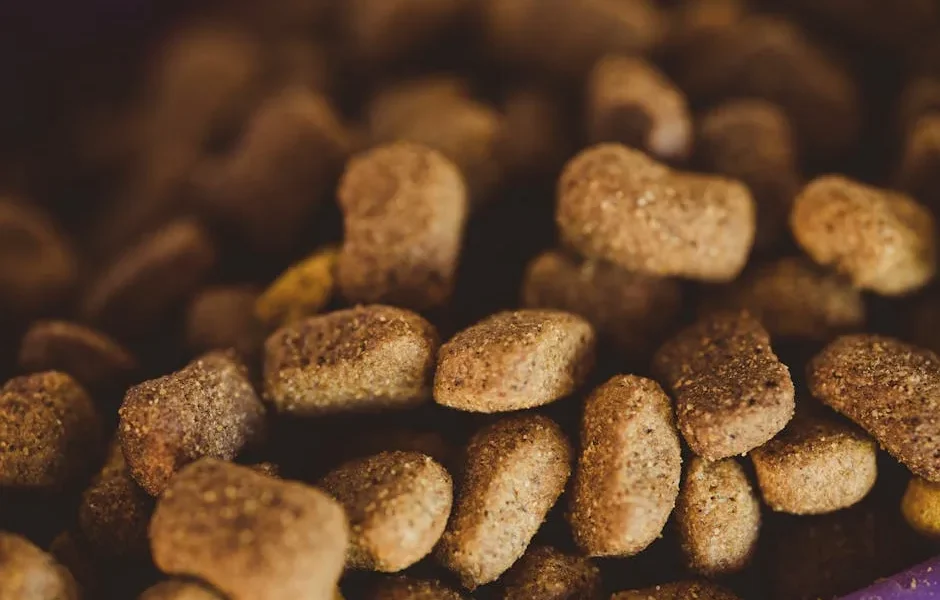
Grain-Free vs. Traditional Pet Food: What Veterinarians Want You to Know in 2025
I’ll be honest with you. When I first heard about the grain-free pet food controversy a few years ago, I thought it was just another case of overly cautious vets resisting change. After all, weren’t grains just cheap fillers anyway?
Turns out I was completely wrong. And if you’ve been feeding grain-free because it seems healthier, you might be surprised by what the science actually says.
Here’s the thing: grain-free pet food now makes up about 40-44% of dry dog food sales in North America. That’s nearly half the market. But veterinarians? They’re increasingly concerned. Not because they’re stuck in the past, but because of what they’re seeing in their clinics and what research is revealing about potential heart problems in dogs eating these diets.
Let’s dig into what’s actually happening here.
The DCM Investigation That Changed Everything
Back in 2018, the FDA started investigating something troubling. Dogs without any genetic predisposition to heart disease were developing dilated cardiomyopathy (DCM), a serious heart condition where the heart muscle weakens and can’t pump blood effectively.
What did many of these dogs have in common? They were eating grain-free diets, particularly ones loaded with peas, lentils, and potatoes as primary ingredients.
Now, six years later in 2025, we still don’t have a smoking gun. The research remains inconclusive. But here’s what makes veterinarians nervous: the FDA received enough reports of previously healthy dogs developing DCM on these diets that they felt compelled to launch a multi-year investigation. That’s not nothing.
The concern centers especially on breeds that don’t typically develop DCM genetically. Golden Retrievers, Labrador Retrievers, and mixed breeds started showing up with this condition at rates that raised red flags.
The Taurine Connection
One piece of the puzzle involves taurine, an amino acid essential for heart health in dogs. Multiple studies from 2019 to 2023 showed that Golden Retrievers fed grain-free diets had lower taurine levels than those on traditional foods.
The theory? Legumes (those peas and lentils replacing grains) might interfere with how dogs absorb or synthesize taurine. Some grain-free foods now add supplemental taurine, but that may not solve the problem if the issue is absorption rather than simple deficiency.
It’s frustrating, honestly. We don’t have all the answers yet. But when veterinary cardiologists start warning about specific diet patterns, that’s worth paying attention to.
The Grain Allergy Myth That Won’t Die
So why did grain-free become so popular in the first place?
Marketing. And a really persistent myth that grains are harmful to dogs.
Here’s what actually matters: only 0.2-1% of dogs have true grain or corn allergies. Less than one percent. Meanwhile, protein sources like beef, dairy, and chicken cause allergies about ten times more often than grains ever do.
Think about that for a second. We’re avoiding grains en masse to prevent a problem that affects fewer than 1 in 100 dogs, while the real culprits behind most food allergies get a free pass because they sound healthier.
If your dog has itchy skin or digestive issues, grains probably aren’t the problem. It’s far more likely to be the protein source or something else entirely. A proper elimination diet under veterinary guidance, as outlined in choosing the right diet for your pet, is the only real way to identify food allergies.
What Grains Actually Do (And Why They’re Not Evil)
Let’s clear something up. Grains aren’t fillers.
Corn, wheat, and rice provide essential fatty acids, fiber, B vitamins, and digestible energy. They’re legitimate ingredients that have been safely used in pet food for decades. Dogs aren’t wolves anymore. They’ve evolved alongside humans for thousands of years and developed the ability to digest grains efficiently.
The “grains are just cheap fillers” narrative came from marketing, not nutrition science. It mirrors human food fads, where we demonize entire food groups without solid evidence. Gluten-free became trendy for people, so grain-free became trendy for pets.
But here’s the kicker: grain-free formulas typically cost 25-40% more than grain-inclusive foods with similar protein levels. You’re paying premium prices for a feature your dog probably doesn’t need and might actually be harmful.
The “BEG” Diet Warning
Veterinary cardiologists coined a term for the diets most associated with DCM reports: BEG diets.
That stands for:
- Boutique brands (smaller companies without extensive research backing)
- Exotic ingredients (kangaroo, duck, bison as primary proteins)
- Grain-free formulations
When all three factors combine, that’s when they saw the highest number of DCM cases. Not every boutique food is problematic, and not every grain-free food causes issues. But the combination raises risk.
The World Small Animal Veterinary Association recommends choosing foods from manufacturers with veterinary nutritionists on staff and evidence from AAFCO feeding trials. Most boutique grain-free brands don’t meet these criteria. They’re formulated by well-meaning people, but formulation and actual feeding trials are very different things.
What’s Changed in 2024-2025
The pet food industry has been responding, even without a definitive FDA conclusion.
Several major brands reformulated their grain-free lines to reduce legume content or add grains back entirely. There’s been a huge shift toward “ancient grain” formulas as a middle ground, featuring quinoa, millet, and sorghum. Whether this addresses the DCM concern remains to be seen.
Class action lawsuits against several grain-free brands settled in 2023-2024 without admission of fault. Some specialty retailers now require DCM disclosure signage near grain-free products.
And veterinary guidance continues to evolve. The American College of Veterinary Nutrition released a 2024 position statement emphasizing individualized nutrition over trend-based feeding, which is really what understanding essential nutrients is all about.
So What Should You Actually Feed Your Dog?
I know. You came here wanting a simple answer.
The truth is, it depends on your individual dog. Age, breed, health status, and activity level all matter. What’s right for a healthy two-year-old Labrador isn’t necessarily right for a senior dog with kidney disease, as discussed in senior pet nutrition guidelines.
But here are some general principles veterinarians agree on:
Choose Foods With Evidence Behind Them
Look for brands that employ board-certified veterinary nutritionists. Check for AAFCO feeding trial statements, not just formulation statements. The difference matters. Learning to read pet food labels properly helps you spot these distinctions.
Grains Are Generally Fine
Unless your dog has a diagnosed grain allergy (confirmed by a veterinary elimination diet, not just your suspicion), grain-inclusive foods are safe and often better researched than grain-free alternatives.
Avoid the BEG Combination
Be especially cautious about boutique brands with exotic proteins in grain-free formulas. If you love a boutique brand, at least choose their grain-inclusive line.
Watch for Warning Signs
If your dog shows decreased energy, coughing, difficulty breathing, or exercise intolerance, see your vet immediately. These can be early DCM signs. Don’t wait.
Talk to Your Actual Veterinarian
Not the pet store employee. Not the breeder (unless they’re also a veterinary nutritionist). Your vet knows your dog’s health history and can give personalized recommendations.
When Grain-Free Might Make Sense
There are legitimate reasons to feed grain-free, though they’re rare.
If your dog has a veterinarian-diagnosed grain allergy confirmed through an elimination diet, obviously grain-free makes sense. Some prescription diets for specific medical conditions happen to be grain-free, though the grain-free aspect usually isn’t the therapeutic part.
But “my dog seems to do better without grains” isn’t sufficient reason when we’re talking about potential heart disease risk. Confirmation bias is real. We notice what we expect to notice.
The Bottom Line
Look, I get it. You want the best for your dog. We all do.
But “grain-free” became a marketing term that capitalized on human food trends, not a scientifically-backed improvement in pet nutrition. The grain allergy epidemic we worried about? It doesn’t exist in any meaningful numbers. Meanwhile, we may have created a heart disease problem trying to solve an imaginary one.
That doesn’t mean every dog on grain-free will develop DCM. Most won’t. But why take the risk when traditional grain-inclusive foods from reputable manufacturers have decades of safety data behind them?
The 2025 veterinary consensus is pretty clear: unless you have a specific, diagnosed reason to avoid grains, traditional pet foods from established manufacturers with proper research backing remain the safest choice. It’s not sexy or trendy, but it’s what the evidence supports.
And honestly? Your dog doesn’t care about food trends. They just want to feel good, have energy to play, and live a long, healthy life with you. Sometimes the boring, traditional choice is exactly what gets them there.

Medically reviewed by: Dr. Marcus Webb, DVM, DACVECC