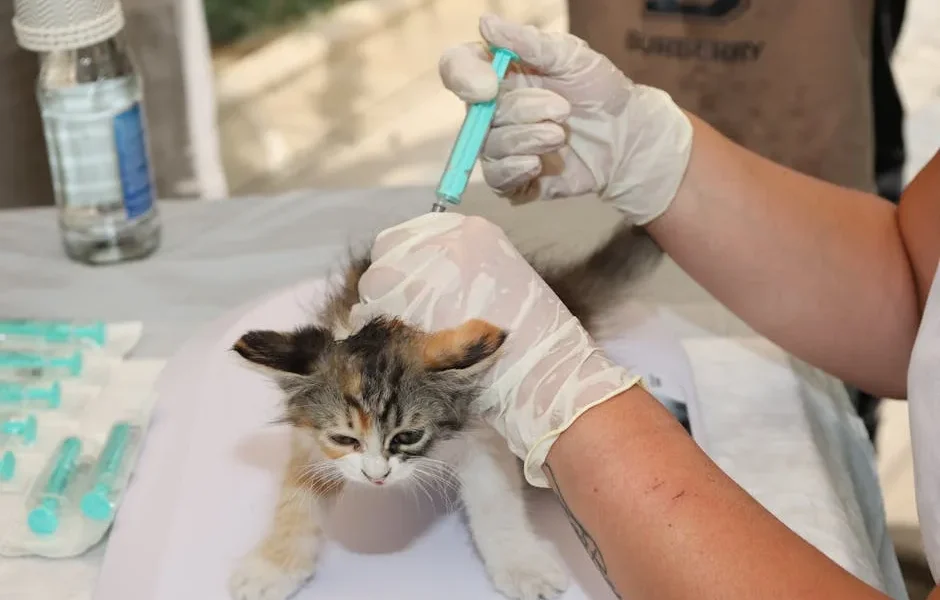
7 Things Every Pet Owner Must Know About Dog and Cat Vaccination Schedules
I’ll be honest—when I adopted my first puppy, I nodded along as my vet rattled off vaccine names like distemper and parvovirus, pretending I understood the difference. I left with a crumpled schedule printout and zero clue why some vaccines needed boosters while others didn’t. Sound familiar?
Here’s what bothers me about how vaccination info gets presented to pet owners: it’s either dumbed down to “just get annual shots” or buried in veterinary jargon. Neither approach helps you make informed decisions about your dog or cat’s health. The truth? Vaccination schedules are more nuanced than most vets let on, and understanding the why behind the timeline can save your pet from unnecessary vaccines—and you from unnecessary costs.
Let’s break down what actually matters.
1. Core Vaccines Aren’t Optional—They’re Life-Saving Essentials
The American Animal Hospital Association divides vaccines into “core” and “non-core” categories, and this distinction matters more than you’d think. Core vaccines protect against diseases that are widespread, severe, or pose public health risks. For dogs, that’s rabies, distemper, parvovirus, and adenovirus. Cats need rabies, feline herpesvirus, calicivirus, and panleukopenia (bundled as FVRCP).
Why these specifically? Because these diseases can kill—and quickly. Parvovirus wipes out entire litters of puppies. Panleukopenia has an 85% mortality rate in untreated kittens. I’ve seen pet owners skip vaccines because their indoor cat “never goes outside,” but here’s the kicker: panleukopenia virus survives in the environment for over a year. You can track it in on your shoes.
Non-core vaccines like Bordetella or feline leukemia? Those depend on your pet’s lifestyle and where you live. Your vet should explain which ones your specific pet needs—not just hand you a pre-printed list. If they don’t customize recommendations, ask why.
2. The Puppy and Kitten Series Timing Is Critical (And Often Misunderstood)
Vaccines don’t work like a light switch. Puppies and kittens are born with maternal antibodies from their mother’s milk, which protect them initially but also block vaccines from working properly. This creates a tricky window where they’re vulnerable.
That’s why the initial series starts at 6-8 weeks with boosters every 3-4 weeks until they’re 16-20 weeks old. Miss that final booster timing, and your puppy might not develop full immunity. I know that sounds dramatic, but maternal antibodies fade at different rates in different puppies. The 16-week cutoff ensures you’ve covered that uncertainty window.
Here’s what drives me crazy: breeders who send puppies home at 8 weeks with “one vaccine done!” and new owners who think they’re protected. That single shot? Likely rendered useless by maternal antibodies. Your puppy needs the complete series, timed correctly. No shortcuts.
3. Adult Dogs and Cats Don’t Need Annual Core Vaccines (Despite What You’ve Heard)
This one surprises people. Core vaccines for distemper, parvovirus, and panleukopenia provide immunity for at least three years—often five to seven. The AAHA updated guidelines back in 2003 (and reinforced them in 2011 and 2017) moving away from annual core vaccination for adult pets.
So why do vets still push annual vaccines? Sometimes it’s outdated protocol. Sometimes they’re confusing annual wellness exams (which you absolutely should do) with vaccine boosters. And sometimes—let’s be real—it’s a revenue model issue. Vaccine appointments bring clients through the door.
After your pet’s one-year booster following their puppy/kitten series, core vaccines should shift to every three years. Period. If your vet insists on annual core vaccines without explaining why, get a second opinion. Your pet’s immune system doesn’t need constant restimulation, and over-vaccination carries real risks. For more on adjusting your pet’s health routine appropriately, check out this guide on when to modify care based on your pet’s age.
4. Rabies Vaccines Are Legally Required—But the Schedule Varies
All 50 states mandate rabies vaccination for dogs, and 48 require it for cats. This isn’t negotiable, and honestly, it shouldn’t be—rabies is 100% fatal once symptoms appear, and it’s transmissible to humans.
The confusion comes from vaccine duration. Your pet gets their initial rabies vaccine at 12-16 weeks, a booster at one year, then either annual or triennial boosters depending on which vaccine your vet uses and what your state allows. Three-year vaccines exist and are widely available, but some states or municipalities still require annual documentation.
Here’s my hot take: if your state allows triennial rabies vaccines and your vet only stocks one-year versions, ask them to order the three-year option. It’s the same vaccine, same efficacy, just labeled differently. There’s no medical reason to vaccinate more frequently than necessary.
5. Titer Testing Can Replace Boosters (For Some Vaccines)
Antibody titer tests measure your pet’s immunity levels instead of automatically revaccinating. They cost $80-150 per test, which seems expensive until you consider potential over-vaccination complications: immune-mediated diseases, vaccine reactions, and in cats, injection-site sarcomas (rare but devastating—about 1 in 10,000 to 30,000 cats).
Titers work for distemper, parvovirus, and adenovirus in dogs, and panleukopenia in cats. They don’t work for rabies because legal requirements demand proof of vaccination, not immunity. Some boarding facilities accept titers instead of vaccine records, though many don’t—yet another reason the industry needs to catch up with current veterinary science.
I’ve used titer testing for my older dog instead of automatic boosters. The results showed solid immunity seven years post-vaccination. Why expose her to unnecessary vaccines? If your vet dismisses titers outright, ask them to explain their reasoning based on current AAHA guidelines.
6. Non-Core Vaccines Depend on Lifestyle and Geography—Not Marketing
Bordetella, Lyme disease, leptospirosis, canine influenza, feline leukemia—these matter for some pets and are pointless for others. Your indoor-only cat doesn’t need feline leukemia vaccine. Your suburban dog who never boards probably doesn’t need Bordetella.
But here’s where it gets interesting: disease patterns change. Leptospirosis cases increased tenfold in some US regions between 2010 and now, making it practically core in the Midwest. Canine influenza H3N2 resurged in 2024-2025 with outbreaks at boarding facilities and dog parks in urban areas. Geography matters.
Before agreeing to non-core vaccines, ask your vet: “What’s the disease prevalence in our area? What’s my pet’s actual exposure risk?” If they can’t answer with regional data, they’re guessing. Your pet’s lifestyle should drive these decisions. A dog who hikes in tick-heavy Northeast forests needs Lyme vaccine. A Los Angeles apartment dog? Probably not. Similarly, just as you’d assess environmental risks for vaccines, you should evaluate common household dangers to your pet’s health.
7. Senior Pets and Those With Health Conditions Need Customized Protocols
The AAHA and American Association of Feline Practitioners updated guidelines in the 2020s to address something vets ignored for too long: one-size-fits-all vaccination doesn’t work for geriatric or chronically ill pets.
A 14-year-old indoor cat with kidney disease faces more risk from vaccine reactions than from diseases she’s unlikely to encounter. An immunocompromised dog might need killed vaccines instead of modified-live versions—or might benefit from titer testing to avoid overtaxing their system.
This requires veterinarians to actually think instead of following preset protocols. Risk-benefit analysis should guide every medical decision, but especially for vulnerable pets. If your senior pet has health issues and your vet hasn’t discussed adjusting their vaccine schedule, bring it up. For more detailed information on monitoring health changes in aging pets, read this guide on critical health shifts to watch for in senior pets.
Modified-live vaccines are generally contraindicated during pregnancy—they can harm developing fetuses. If you’re breeding your pet or adopted a pregnant animal, inform your vet immediately so they can adjust the vaccine protocol appropriately.
What About Vaccine Reactions?
Most pets tolerate vaccines fine, but reactions happen. Mild signs include lethargy, mild fever, or soreness at the injection site lasting 24-48 hours. Serious reactions—facial swelling, hives, difficulty breathing, collapse—require immediate emergency care. These typically occur within minutes to hours after vaccination, so don’t rush off right after your vet appointment. Wait 15-20 minutes in the parking lot.
Small dogs under 20 pounds have higher reaction rates when receiving multiple vaccines simultaneously. Ask your vet to space them out if you’re concerned. It’s worth the extra visit. And if you’re ever uncertain whether symptoms warrant emergency attention, this resource on recognizing emergency warning signs can help you decide.
Building a Vaccination Plan That Actually Makes Sense
Look, I’m not anti-vaccine—I’m anti-unnecessary-vaccine. There’s a massive difference. Core vaccines save millions of pet lives. But the veterinary industry’s slow adoption of duration-of-immunity research means many pets get revaccinated on outdated schedules.
Your action plan: Request a copy of your pet’s complete vaccine history. Ask which vaccines are core versus non-core. Confirm your vet follows current AAHA/AAFP guidelines for triennial core vaccination in adult pets. Discuss titer testing for aging or health-compromised animals. And evaluate non-core vaccines honestly based on your pet’s actual lifestyle, not fear-based marketing.
Just like you’d optimize your pet’s nutrition based on their life stage or prioritize dental care for longevity, vaccination deserves the same thoughtful, individualized approach. Your pet isn’t a checklist. They’re a living creature whose immune system deserves respect—which sometimes means fewer needles, not more.

Medically reviewed by: Dr. Marcus Webb, DVM, DACVECC