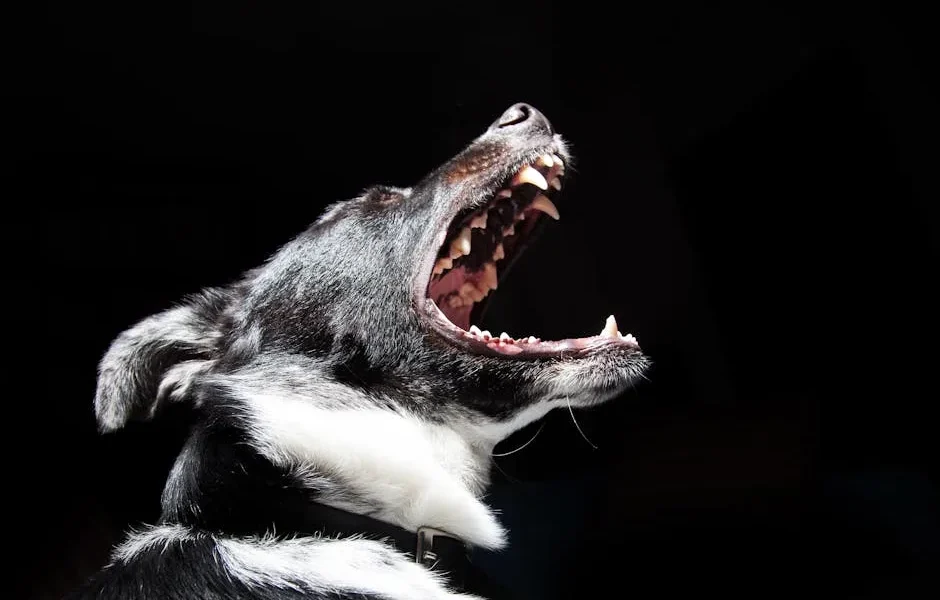
Dental Disease in Pets: Why 80% of Dogs Need Teeth Cleaning by Age 3
I’ll be honest—I used to think my dog’s breath was just, well, normal dog breath. You know, kind of stinky but tolerable. Then my vet showed me what was actually happening under those gums, and let me tell you, it was a wake-up call. Turns out that “doggy breath” everyone jokes about? It’s actually a warning sign of something much more serious.
The statistics are pretty startling: about 80-85% of dogs over age 3 have some form of periodontal disease. That’s not a typo. We’re talking about the vast majority of our furry friends walking around with dental issues that could be affecting way more than just their mouths.
So let’s tackle the questions I get asked all the time—and the ones I wish I’d asked earlier about my own pets.
Why Do So Many Dogs Develop Dental Disease So Young?
Here’s the thing: our dogs’ mouths are bacteria factories. Every time they eat, bacteria combines with food particles to form plaque. That’s happening in your mouth too, which is why you brush twice a day, right?
But your dog isn’t brushing after every meal.
Within 24-48 hours, that soft plaque hardens into tartar (also called calculus). Once it’s tartar, you can’t just brush it away. It sits there on the tooth surface and, more importantly, works its way under the gumline. That’s where the real damage starts—gingivitis, infection, bone loss, and eventually tooth loss.
Small and toy breeds get hit especially hard. Yorkies, Chihuahuas, Dachshunds—their teeth are crowded into tiny mouths, creating perfect little pockets for bacteria to throw a party. Brachycephalic breeds like Pugs and Bulldogs have their own set of issues because of their mouth structure. Even Greyhounds have a genetic predisposition to dental problems despite their larger size.
The progression happens faster than most people realize. By age 3, if you haven’t been proactive about dental care, chances are high your dog already has periodontal disease developing.
How Do I Know If My Pet Actually Needs a Dental Cleaning?
This is tricky because pets are incredibly good at hiding pain. It’s an evolutionary thing—showing weakness in the wild is dangerous, so they just… don’t.
Bad breath is usually the first sign, and it’s the one most owners notice but dismiss. If your dog’s breath could knock you over, that’s not normal. It’s bacteria.
Other warning signs include:
- Red or bleeding gums
- Visible tartar buildup (yellowish-brown crust on teeth)
- Pawing at the mouth or rubbing their face on furniture
- Difficulty eating or dropping food
- Eating on one side of the mouth
- Behavioral changes—seeming grumpy or less playful
- Swelling around the face or jaw
But here’s what concerns me: many dogs show almost no symptoms until the disease is advanced. They keep eating even when it hurts because the survival instinct is strong.
Your best bet? Annual veterinary exams where your vet actually looks in your pet’s mouth. They can spot early-stage problems you’d never notice. And if your vet recommends a cleaning, they’re not trying to upsell you—they’re seeing something concerning.
Why Does My Dog Need Anesthesia? Can’t They Just Do It While He’s Awake?
I get it. Anesthesia sounds scary. You hear “putting my dog under” and immediately worry about risks.
But anesthesia-free dental cleanings—those are the real risk.
Here’s why proper dental cleaning requires anesthesia: the disease lives below the gumline. That’s where the bacteria are destroying bone and tissue. Scraping visible tartar off the crown of the tooth while your dog is awake? That’s purely cosmetic. It doesn’t address the actual disease, and it can’t. There’s no way to safely and thoroughly clean below the gumline on an awake, stressed animal who’s probably terrified and in pain.
Professional veterinary cleanings include:
- Scaling below the gumline where disease actually occurs
- Probing periodontal pockets to assess damage
- Dental X-rays to check for problems under the surface
- Polishing to smooth tooth surfaces and slow future plaque buildup
- Extractions if necessary (doing this while awake would be cruel)
Modern veterinary anesthesia is incredibly safe, especially with proper pre-anesthetic bloodwork and monitoring. Yes, there’s always some risk—there’s risk every time you get in your car too. But for most pets, the risk of NOT addressing dental disease far outweighs the anesthesia risk.
Untreated dental disease doesn’t just stay in the mouth. Those bacteria enter the bloodstream and can damage the heart, kidneys, and liver. Studies show dogs with severe periodontal disease have significantly higher rates of heart valve changes. You might avoid anesthesia but end up dealing with heart disease instead.
What Can I Actually Do at Home to Prevent Dental Problems?
Prevention is huge. And honestly? It’s way easier than dealing with advanced dental disease later.
Brushing is the gold standard. Daily brushing can reduce plaque by 60-70%. That’s real protection. I know, I know—easier said than done. But if you can get your pet used to it from a young age, it becomes routine. Use pet-specific toothpaste (never human toothpaste—the xylitol can be toxic). Start slow, make it positive, use lots of treats and praise.
Can’t brush? There are alternatives, though none are quite as effective:
Dental chews and treats approved by the Veterinary Oral Health Council (VOHC) actually work. They’ve been tested and shown to reduce plaque and tartar. Not all dental products are created equal though—look for that VOHC seal. The approved products list expanded recently with new enzymatic options showing real clinical efficacy.
Water additives can help somewhat. Food additives and special dental diets exist too. These aren’t replacements for brushing or professional cleanings, but they’re better than nothing.
One myth I need to bust: dry kibble doesn’t clean teeth. Yes, you’ll hear this everywhere, but it’s not really true. Most dogs don’t even chew kibble—they just crunch and swallow. Even when they do chew, kibble shatters and doesn’t provide the abrasive action people imagine.
The reality is that home care slows disease progression. It doesn’t eliminate the need for professional cleanings, but it can reduce how frequently you need them and prevent early-stage issues from becoming severe.
How Much Does Dental Care Actually Cost, and Is It Worth It?
Let’s talk numbers because this matters.
A routine preventive dental cleaning typically runs $300-800, depending on your location and clinic. That usually includes anesthesia, scaling, polishing, and often pre-anesthetic bloodwork.
Sounds like a lot? Compare that to advanced periodontal treatment: $1,500-3,000 or more when you’re dealing with multiple extractions, bone infections, and complications. I’ve seen cases exceed $4,000 when things get really bad.
Early intervention saves money. Period. If you start dental cleanings when your dog is young and the disease is minimal, you prevent the expensive stuff down the road.
Pet insurance is catching on to this. Dental claims have jumped more than 30% from 2023 to 2025. More policies now offer dental coverage, especially if the problem isn’t pre-existing. Something to consider when you’re comparing insurance options alongside your regular preventive care costs.
But beyond money—and this is what really matters—dental disease hurts. It affects quality of life. Dogs with painful mouths are less playful, less happy. They might seem fine because they’re hiding it, but they’re suffering. Good dental care can literally add years to your pet’s life by preventing systemic disease. Can you really put a price on that?
What About Cats? Do They Have the Same Problems?
Oh, absolutely. About 70% of cats show signs of dental disease by age 3. Cats are just even better at hiding problems than dogs.
Cats also develop something called tooth resorption (sometimes called FORL—feline odontoclastic resorptive lesions). This affects 20-75% of cats and basically causes the tooth structure to break down from the inside. It’s incredibly painful and usually requires extraction. You might notice your cat eating on one side, drooling, or having that head-shaking thing they do.
The prevention strategies are similar—brushing if your cat will tolerate it (good luck), dental treats, professional cleanings. But cats often need intervention earlier than people realize because they’re so good at acting normal even when they’re in pain.
If you’re adjusting your senior cat’s health routine, dental care should absolutely be part of that conversation with your vet.
When Should I Start Worrying About My Pet’s Dental Health?
Start now. Seriously.
If you have a puppy or kitten, start handling their mouth early. Get them comfortable with you touching their teeth and gums. Start brushing young—even before adult teeth come in—so it becomes normal.
For adult pets, your first dental cleaning should happen around age 1-3, depending on what your vet sees during exams. Small breeds might need intervention earlier. After that, most dogs need professional cleanings every 1-2 years, though some need them annually.
Don’t wait for obvious symptoms. By the time you’re seeing serious signs like loose teeth or facial swelling, you’re dealing with advanced disease that’s harder and more expensive to treat.
Think of dental care like vaccinations—it’s preventive medicine. You don’t wait until your pet gets parvo to wish you’d vaccinated. Same principle here.
And look, I get that it feels like one more thing on an already long list of pet care tasks. Between figuring out nutrition and watching for emergency warning signs, pet ownership is a commitment. But dental care is one of those things where a little consistent effort now prevents major problems later.
Your dog’s mouth is the gateway to their whole body. Keeping it healthy keeps them healthy. That’s not just marketing from veterinary dental companies—it’s backed by solid research showing the connection between oral health and systemic disease.
So next time you’re at the vet and they mention checking your pet’s teeth? Listen. Take a look yourself. And maybe invest in a pet toothbrush. Your dog’s heart, kidneys, and liver will thank you—even if your dog never does.

Medically reviewed by: Dr. Sarah Chen, DVM, DACVIM