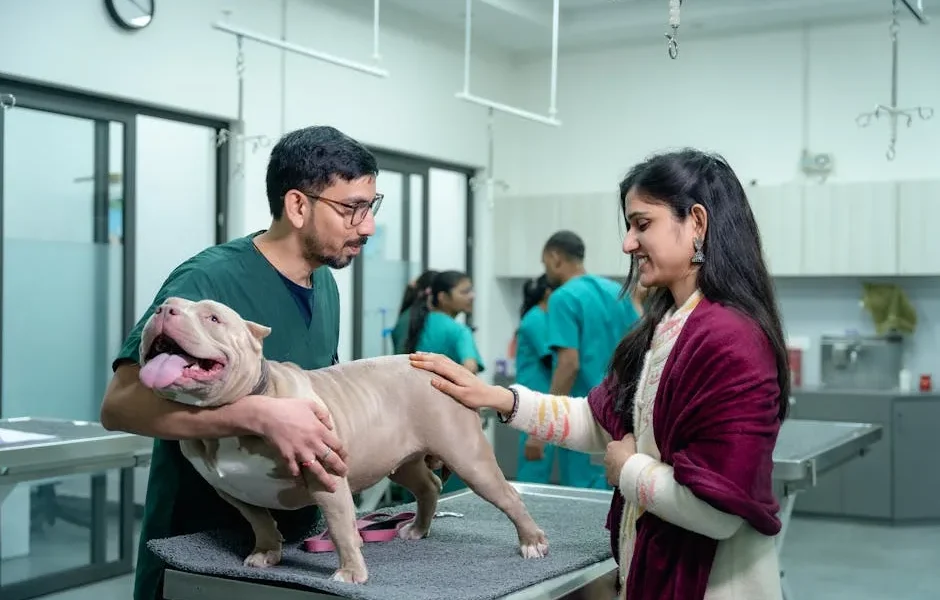
10 Essential Questions to Ask Your Vet During Your Pet’s Annual Checkup
Last year, I walked into my vet’s office feeling pretty confident. My dog Luna seemed healthy, her energy levels were good, and I figured the annual checkup would be a quick formality. Twenty minutes later, I walked out with a diagnosis of early-stage dental disease and the realization that I’d been asking all the wrong questions—or rather, not asking nearly enough of them.
Here’s the uncomfortable truth: only 41% of dog owners and 27% of cat owners actually bring their pets in for annual wellness exams. And even when we do show up, most of us sit there nodding along, too intimidated to ask the questions bouncing around in our heads. We worry about looking ignorant or wasting the vet’s time.
But here’s what I learned that day. Your vet wants you to ask questions. They’d much rather spend fifteen minutes answering your concerns than see your pet back in six months with a preventable condition that’s now going to cost you $1,500 in emergency care instead of the $250 you’d have spent on preventive treatment.
So let’s talk about the questions you should absolutely be asking. Not the generic ones you’ll find on every checklist, but the ones that actually make a difference for your specific pet’s health.
The Weight Question Nobody Wants to Hear the Answer To
“Is my pet at a healthy weight, and if not, what’s the specific plan to fix it?”
Look, I get it. Nobody wants to hear their beloved companion is overweight. But 59% of dogs and 61% of cats in the U.S. are carrying extra pounds, and we’re not doing them any favors by avoiding this conversation. Those extra pounds can shave 2.5 years off your pet’s lifespan and lead to diabetes, arthritis, and a whole cascade of health issues.
Don’t just ask if your pet is overweight. Ask for specifics: How many pounds should they lose? Over what timeframe? What’s the daily calorie target? Should you change foods or just adjust portions? This is where you want actual numbers, not vague suggestions to “cut back a little.”
And while you’re at it, ask about treats. Because that “just a few treats” you’re giving might be the equivalent of you eating an entire pizza as a snack. For more detailed strategies, check out these vet-approved weight loss tips that actually work.
The Dental Disease Question You’re Probably Ignoring
“Can you show me what my pet’s teeth actually look like, and do they need a cleaning?”
Here’s a stat that shocked me: 80% of dogs and 70% of cats show signs of dental disease by age three. Age three! And dental infections don’t just cause bad breath—they can reduce your pet’s lifespan by 2-3 years because bacteria from infected gums enters the bloodstream and damages vital organs.
But here’s the thing. You can’t really assess dental health just by lifting your pet’s lip and taking a peek. You need your vet to actually look, preferably while explaining what they’re seeing. Ask them to point out any tartar buildup, red or inflamed gums, or teeth that might need attention.
If they recommend a dental cleaning, don’t just nod and move on. Ask what’s involved, what it costs, and whether it’s urgent or something you can plan for in the next few months. You can learn more about why dental cleanings are so crucial and what warning signs to watch for between visits.
The Vaccine Question That Could Save You Money
“Which vaccines does my specific pet actually need this year based on their lifestyle and risk factors?”
This is where things get interesting. For years, we assumed all pets needed all their vaccines every single year. But the science has evolved. Many core vaccines are now effective for three years or longer, and titer testing can determine if your pet still has immunity without automatically revaccinating.
The key word here is “specific.” Your indoor cat doesn’t need the same vaccine protocol as your outdoor adventure dog. Ask your vet to explain which vaccines are legally required (like rabies), which are recommended for your pet’s particular situation, and which might be optional based on risk factors.
And don’t be shy about asking why. If your indoor cat hasn’t left the house in five years, does she really need that FeLV booster? Your vet should be able to explain the reasoning. For a deeper dive into vaccination protocols, here’s a complete guide to pet vaccination schedules.
The Blood Work Question for Peace of Mind
“Should we do baseline blood work, and what would it actually tell us?”
This one’s tricky because blood work isn’t always included in a standard exam, and it can feel like an upsell. But here’s the reality: pre-anesthetic blood work catches hidden conditions in 15-20% of pets that appear perfectly healthy. And establishing baseline values when your pet is young helps detect subtle changes earlier as they age.
Ask what specific tests they’re recommending and why. A basic senior panel? Thyroid check? Kidney function? Understanding what you’re paying for makes the decision easier, and it helps you spot whether you’re getting essential diagnostics or unnecessary extras.
If cost is a concern—and let’s be real, vet care isn’t cheap—ask which tests are highest priority and whether you can phase them over a few visits. Most vets would rather work with your budget than have you skip important diagnostics entirely.
The Parasite Question for Year-Round Protection
“What parasite prevention do you recommend year-round, and why?”
Climate change has extended mosquito seasons nationwide, which means heartworm prevention isn’t just a summer thing anymore. And there’s emerging evidence of heartworm resistance to some preventatives in certain regions, particularly the Mississippi Delta.
But beyond heartworm, you’ve got fleas, ticks, intestinal parasites—the list goes on. Ask your vet which specific preventatives they recommend for your pet and your geographic area. Should you be doing monthly pills, topical treatments, or a combination? And what parasites are actually prevalent in your region?
Don’t assume one-size-fits-all. The right prevention protocol depends on where you live, where you travel, and your pet’s lifestyle.
The Age-Adjustment Question for Senior Pets
“Is my pet considered senior yet, and should we be changing their care routine?”
Veterinary guidelines recently shifted. Pets are now considered senior at age seven, not ten like we used to think. And senior pets should really be getting biannual checkups because they age five to seven times faster than we do. Six months in dog years? That’s like going three years between your own doctor visits.
If your pet is approaching or past that seven-year mark, ask specifically what should change. More frequent exams? Different blood work? Adjusted diet? Joint supplements? Senior pet care looks different than adult care, and catching issues early makes a massive difference in quality of life.
The Breed-Specific Question You Might Not Think to Ask
“What health issues are common in my pet’s breed, and how can we screen for them early?”
Every breed has its quirks. German Shepherds and hip dysplasia. Persian cats and kidney disease. Golden Retrievers and cancer. Your vet should know your pet’s breed-specific risks and be proactively monitoring for them.
This question opens up a conversation about preventive screening. Should your large breed puppy get hip X-rays at two years? Does your brachycephalic dog need cardiac monitoring? Knowledge is power here, and early detection can mean the difference between managing a condition and watching it spiral.
The Behavioral Red Flag Question
“I’ve noticed [specific behavior change]—could this be medical rather than just behavioral?”
Cats hiding more than usual. Dogs suddenly having accidents in the house. Increased aggression or anxiety. We often dismiss these as behavioral issues when they might be your pet’s way of saying something hurts.
Litter box problems can indicate urinary tract infections or kidney disease. Increased irritability might signal chronic pain from arthritis. Excessive thirst could mean diabetes or kidney issues. Your vet can’t address what they don’t know about, so speak up about any changes you’ve noticed, even if they seem minor.
The Financial Planning Question Nobody Wants to Ask
“If my budget is limited, which preventive measures should I absolutely prioritize?”
This feels awkward. But veterinarians aren’t mind readers, and they’d rather help you prioritize than have you skip everything because you’re overwhelmed by costs.
Ask about payment plans. Ask about pet insurance—should you get it, and when? Ask which services are urgent versus nice-to-have. Most vets genuinely want to work within your means because they know that some care is infinitely better than no care.
And here’s the thing: preventive care costs $200-300 annually on average, while emergency visits run $800-1,500. Investing in prevention actually saves money in the long run. But if you need to phase things, your vet can help you create a plan that protects your pet without breaking the bank.
The Red Flag Question for Between Visits
“What symptoms should prompt me to call before our next scheduled appointment?”
This is your safety net question. Every pet owner should know their pet’s specific warning signs—the symptoms that mean “call us today” versus “mention it at the next checkup.”
Vomiting once? Probably fine. Vomiting repeatedly or with blood? Call immediately. Limping after playing hard? Monitor it. Limping with swelling or inability to bear weight? Don’t wait. Your vet should give you clear guidelines tailored to your pet’s health status, age, and any existing conditions.
If your pet has breed-specific risks or chronic conditions, ask about those specifically. And while you’re at it, familiarize yourself with common pet toxins that require immediate attention.
The Question That Changes Everything
Here’s the secret question that transforms a routine checkup into a real partnership: “What concerns do you have about my pet that I haven’t asked about?”
This opens the door for your vet to share observations you might have missed. Maybe they noticed subtle muscle loss suggesting early kidney disease. Perhaps your pet’s breathing pattern concerns them. Or they picked up on anxiety signals that could benefit from intervention.
Vets see dozens of pets weekly. They know what normal looks like, and they spot the subtle stuff we miss because we see our pets every day. Give them permission to voice concerns you didn’t know to ask about.
After Luna’s unexpected dental diagnosis, I completely changed how I approach vet visits. I write down questions beforehand. I ask for clarification when I don’t understand something. I speak up about changes I’ve noticed, even when they seem insignificant.
And you know what? Our vet visits take longer now. They cost about the same, but we’re catching things early instead of treating emergencies. Luna’s healthier. I’m less anxious. And I actually understand what’s happening with her health instead of just nodding along and hoping for the best.
Your annual checkup is one of the most valuable hours you’ll spend on your pet’s behalf. Don’t waste it being too polite to ask questions. Your vet chose this career because they care about animals—give them the information they need to actually help yours. Because that appointment? It’s not just a formality. It’s your chance to add healthy years to your pet’s life.
And that’s worth every awkward question.
This article is for educational purposes only and does not substitute for professional veterinary advice, diagnosis, or treatment. Always consult your veterinarian with questions about your pet's health.