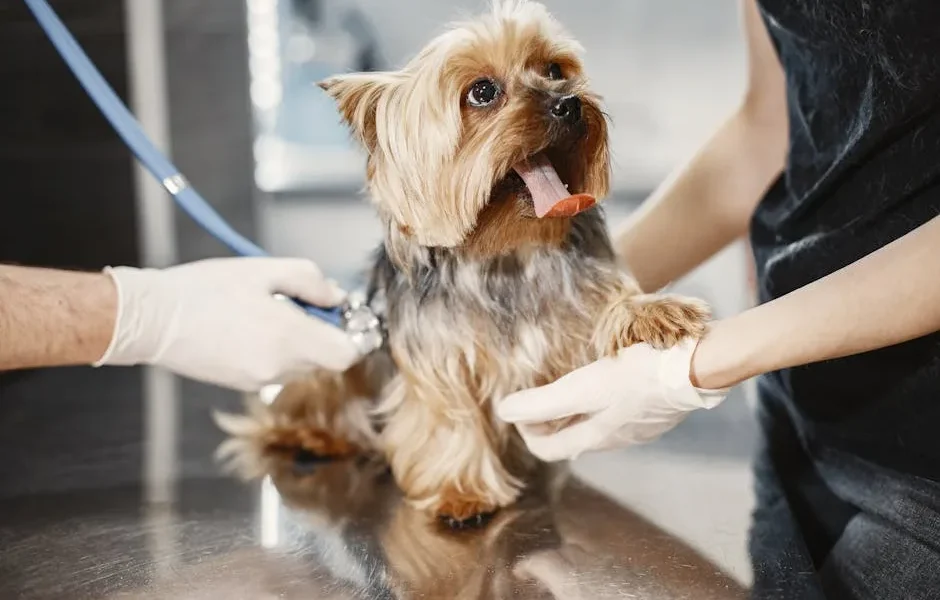
10 Essential Questions to Ask Your Veterinarian During Your Pet’s Annual Checkup
Last spring, I sat in the exam room watching my vet run her hands along my dog Milo’s spine, and I realized something unsettling: I had absolutely no idea what to ask her. The appointment was flying by. She was efficient, professional, checking boxes on her chart. But I knew there were things I should be asking about—things that wouldn’t come up unless I brought them up. I left feeling like I’d wasted an opportunity.
Here’s the thing about annual wellness exams: most of us treat them like oil changes. We show up, let the professional do their thing, pay the bill, and leave. But only 41% of dog owners and 23% of cat owners even make it to that annual appointment, according to the American Animal Hospital Association. And of those who do? Most aren’t asking the questions that could actually extend their pet’s life.
Your vet has maybe fifteen to twenty minutes with your pet. That’s not much time to cover everything, especially when they’re also examining ears, listening to hearts, checking teeth, and updating records. The difference between a routine checkup and one that actually catches problems early often comes down to the questions you ask.
So I did some homework. Talked to veterinarians, dug through recent guidelines, and figured out what actually matters. Not the obvious stuff—you don’t need me to tell you to mention if your dog is limping. But the subtle things. The questions that reveal problems you didn’t even know to look for.
Start With the Weight Conversation (Yes, Really)
“Is my pet at a healthy weight, and can you show me how to assess body condition at home?”
I know. Weight feels like such a boring topic when there are vaccines and bloodwork to discuss. But here’s why it matters: approximately 59% of dogs and 61% of cats in the U.S. are overweight or obese. That’s not just an aesthetic issue—obesity reduces your pet’s lifespan by an average of 2.5 years and dramatically increases risks for arthritis, diabetes, and cancer.
The question itself matters less than what comes after. Ask your vet to physically show you what proper body condition feels like. Where should you feel ribs? What should the waist look like from above? Most of us have been looking at chubby pets so long we’ve recalibrated what “normal” looks like.
And if your pet needs to drop a few pounds? Ask for specifics. Not “feed less,” but actual measurements. Exact amounts. Because eyeballing portions is how we ended up here in the first place. For more detailed strategies, check out our guide on vet-approved weight loss tips.
The Baseline Bloodwork Question
“Should we run bloodwork today to establish a baseline?”
This one surprised me when I first learned about it. Why run tests on a healthy young pet? Seems like overkill, right?
But establishing baseline lab values when your pet is between 2-5 years old gives your vet something to compare against later. Every pet’s normal is slightly different. When your dog is eight and a kidney value comes back borderline, your vet can look back and see whether that’s new or just how your dog has always been. Early detection makes everything more treatable.
Only about 30% of wellness visits include comprehensive bloodwork for adult pets under age seven, according to data from veterinary laboratories. Don’t assume it’s automatically part of the checkup.
Get Specific About Pain
“What subtle signs of pain or discomfort should I watch for at home?”
Studies show that 90% of senior pets have arthritis, but owners only recognize pain in 17% of cases. That gap is staggering. It means most of our pets are hurting, and we have no idea.
Dogs and cats are ridiculously good at hiding pain—it’s a survival instinct. Your vet knows the subtle tells: reluctance to jump up, slower rising after rest, decreased grooming in cats, personality changes, panting at rest.
Ask for a list of specific behaviors to monitor. Not vague advice, but concrete examples. And if your pet is over seven, ask whether pain medication trials might be worth trying even without obvious limping. Sometimes the only way to know if your pet hurts is to see them transform on pain management.
The Dental Disease Deep Dive
“Can you show me what stage of dental disease my pet has, and what’s the timeline for professional cleaning?”
By age three, 80% of dogs and 70% of cats show signs of periodontal disease. It’s so common that we almost accept it as normal. But dental disease doesn’t just cause bad breath—it’s linked to heart, liver, and kidney problems as bacteria from infected gums enters the bloodstream.
Ask your vet to grade your pet’s dental health and explain what each stage means. Ask about home care that actually works (spoiler: most dental chews do almost nothing). And ask about cost and timing for professional cleaning before it becomes an emergency extraction situation. Our article on why most dogs need dental cleaning by age three has more details on this.
Rethink the Vaccine Conversation
“Based on my pet’s lifestyle and your state’s laws, what vaccines does my pet actually need this year?”
Vaccine protocols have evolved significantly. Three-year protocols for rabies and distemper are now standard for adult dogs in most places, not annual shots. But many owners don’t know to ask about titer testing as an alternative to automatic revaccination.
This isn’t about being anti-vaccine—core vaccines are essential. It’s about being smart. An indoor cat has different risk factors than a dog who goes to daycare. Ask your vet to explain which vaccines are legally required, which are recommended based on lifestyle, and which are optional. For a complete breakdown, see our comprehensive vaccine schedule guide.
The Senior Pet Question You Need to Ask Early
“When does my pet become ‘senior,’ and when should we switch to twice-yearly checkups?”
Pets age five to seven times faster than humans, but most owners don’t adjust their vet visit schedule accordingly. For dogs, “senior” varies by size—giant breeds at five or six, smaller dogs at seven or eight. Cats generally hit senior status around seven to ten years.
Veterinarians recommend twice-yearly checkups for senior pets, but fewer than 15% of senior pet owners actually do this. Six months in a senior pet’s life equals years in human terms. A lot can change. Learn more about adjusting your senior pet’s health routine.
The Preventive Medication Reality Check
“Given climate changes and my pet’s lifestyle, what’s the current recommendation for year-round prevention?”
The geographic range of tick-borne diseases has expanded significantly through 2024 and 2025. Areas that used to have “off-season” months no longer do. Heartworm is spreading north. Fleas are becoming resistant to older medications.
Ask specifically about year-round parasite prevention versus seasonal protocols. Ask about the newest products and whether your current prevention is still effective in your area. And ask about combination products versus separate medications—there are legitimate pros and cons to both approaches.
The Behavioral Health Screening
“Have there been any changes in behavior, sleep patterns, or anxiety levels that could indicate a health issue?”
Behavioral health is physical health. But it often gets sidelined during a checkup focused on ears, teeth, and vaccines.
Increased anxiety can indicate pain. Cognitive decline in senior pets is real and treatable. Litter box issues might be arthritis, not attitude. These things won’t come up unless you mention them.
Frame behavioral concerns as medical questions, because that’s what they are. “She’s suddenly skittish” is useful information. Your vet might check vision, hearing, thyroid levels—things you wouldn’t connect to fear responses.
The Breed-Specific Screening Talk
“Are there breed-specific health screenings we should consider?”
If you have a purebred or know your mixed breed’s background, certain conditions run in families. Large breed dogs should be monitored for hip dysplasia and bloat risk. Dachshunds and other long-backed breeds need early arthritis screening. Brachycephalic breeds (flat-faced dogs and cats) need respiratory assessment.
Your vet should know this stuff, but asking the question ensures they’re thinking specifically about your pet’s genetic risks, not just going through the standard checklist.
The Follow-Up Protocol Question
“How will you communicate test results, and what symptoms should prompt me to call before our next scheduled visit?”
This seems administrative, but it’s actually critical. Some practices call only if something’s wrong. Others send a portal message. Some mail results. Knowing the protocol means you’re not anxiously waiting by the phone or assuming everything’s fine when actually they tried to call twice.
And asking about red-flag symptoms gives you a mental checklist for the next twelve months. What’s normal aging versus concerning? When should you wait for the next appointment versus call immediately? Having those guidelines in advance prevents 2 AM panic googling.
Actually Using Your Fifteen Minutes
The night before Milo’s checkup this year, I wrote down my questions. Not on my phone where I’d forget to pull them up, but on actual paper I could hold. When the vet walked in, I told her I had a list—was that okay?
She smiled. Said she loved when owners came prepared.
We didn’t get through everything. But we covered the important stuff. Established that baseline bloodwork. Talked about his slightly slowing down on walks and whether that’s just age or something worth monitoring. Discussed his weight (he could lose two pounds, who knew). Adjusted his preventive medication based on our local tick situation.
An annual wellness exam costs somewhere between $50 and $300 on average. Emergency treatment for preventable conditions? $1,000 to $5,000 or more. Early detection through routine checkups can reduce treatment costs by 60-80%.
Those fifteen minutes matter. The questions you ask matter. Your vet has the expertise, but you know your pet’s daily life, subtle changes, normal patterns. That combination—their professional knowledge plus your observations—is what catches things early.
So write down your questions. Bring the list. Don’t leave wondering what you should have asked. Because the best time to prevent a health crisis is exactly when everything seems fine.

Medically reviewed by: Dr. Marcus Webb, DVM, DACVECC