- Mild hypothermia starts below 99°F. Severe cases (below 90°F) need a vet right away. Safe rewarming is critical. It prevents shock and heart problems.
- Small breeds, short-haired dogs, puppies, kittens, and senior pets can get hypothermia in 15-30 minutes in freezing weather. It happens even faster if they’re wet.
- Never use direct heat like heating pads or hot water. Warm up your pet slowly with blankets and room-temperature bottles. This prevents dangerous problems.
- Watch for red flags like unconsciousness, blue gums, rigid muscles, or temperatures below 98°F. These need emergency vet care right away.
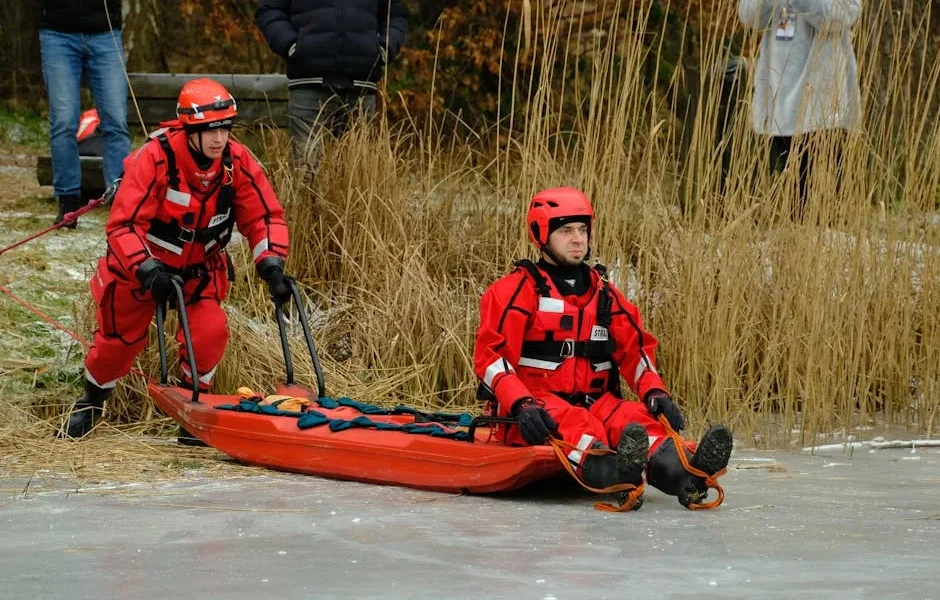
I’ll never forget a Golden Retriever someone brought to our ER at 2 a.m. during a January blizzard. The dog had been outside for maybe forty minutes. Not even that long. But he’d fallen through ice into a creek.
By the time they got him to us, his body temperature was 88°F.
That case taught me something crucial: Pet Hypothermia Emergency: How to Rewarm Safely & Prevent Cold-Related Injury 2025 isn’t just about extreme cold exposure.
It’s about understanding that hypothermia can happen fast. Faster than most pet owners realize. And knowing the difference between helping and accidentally making things worse can literally save your pet’s life.
Here’s what keeps me up at night: we see a 30-45% spike in cold-related injuries every winter. A significant number of those cases involve well-meaning owners who tried to rewarm their pets too quickly. Or they used the wrong methods.
Let’s walk through exactly what you need to know.
Why Pet Hypothermia Is More Dangerous Than You Think
Your dog or cat’s normal body temperature sits between 101-102.5°F. Once it drops below 99°F, we’re talking hypothermia.
But it’s not a straight line to danger. It happens in stages. Each stage requires different action.
Mild hypothermia (95-99°F) might seem manageable. Your pet’s shivering. Maybe a bit lethargic.
Moderate hypothermia (90-95°F)? Now we’re seeing muscle stiffness. Slower heart rate. Shallow breathing.
Severe hypothermia below 90°F is life-threatening. No shivering anymore because the body’s given up on that defense. Weak pulse. Possible unconsciousness.
What makes this tricky is that approximately 70% of severe hypothermia cases also involve frostbite. Usually on ear tips, paw pads, and tails. So you’re not just dealing with one problem.
Who’s Most At Risk?
Small breeds like Chihuahuas, toy dogs, Greyhounds, and hairless cats can develop hypothermia in as little as 15-30 minutes in freezing weather.
Puppies, kittens, and senior pets over seven or eight years old? They’re three times more susceptible than healthy adults. Their temperature regulation systems don’t work as efficiently.
And here’s something that surprises people: your pet can develop hypothermia even in 40-50°F weather if they’re wet.
Water conducts heat twenty-five times faster than air. That’s why that Golden Retriever I mentioned earlier crashed so fast.
Step 1: Recognize the Signs Immediately
You need to spot hypothermia fast. The earlier you catch it, the better the outcome.
Mild to moderate cases have survival rates above 90% with proper intervention. Severe cases? We’re looking at 40-50% survival even with aggressive treatment.
Watch for these signs in order of severity:
Early signs (mild):
- Shivering or trembling
- Lethargy or weakness
- Cold ears, paws, or tail tip
- Seeking warmth constantly
- Mild confusion or stumbling
Progressing signs (moderate):
- Decreased shivering or stops shivering
- Muscle stiffness
- Slow, shallow breathing
- Pale or gray gums
- Slow heart rate you can feel
- Dilated pupils
Critical signs (severe):
- No shivering at all
- Rigid muscles
- Blue or white gums
- Fixed, dilated pupils
- Barely detectable heartbeat
- Unconsciousness or unresponsiveness
- Difficulty breathing or very shallow breaths
If you have a rectal thermometer, take your pet’s temperature. And you should have one. Every pet owner should have one in their emergency kit.
Below 99°F means you need to act. Below 95°F means you’re calling the emergency vet while you start initial warming.
Step 2: Move to a Warm, Safe Environment
Get your pet out of the cold immediately.
But here’s the thing—don’t blast them with heat. Bring them inside to a room-temperature space. Not right next to a blazing fireplace.
Remove any wet clothing, collars, or harnesses. Wet fabric will continue pulling heat away from their body.
If their fur is wet, gently blot—don’t rub—with dry towels. Rubbing can damage skin. And if there’s frostbite, rubbing can cause serious tissue injury.
Place your pet on a dry, insulated surface. Not directly on cold tile or concrete. Use blankets, towels, or a dog bed. Create a barrier between them and any cold surface.
Step 3: Begin Gradual Rewarming (The Right Way)
This is where people get into trouble.
Safe rewarming should happen at about 1-2°F per hour for moderate to severe cases. Rapid rewarming causes shock and heart problems. It can actually kill your pet even if you “fixed” the temperature.
What TO do:
Wrap your pet in warm (not hot) blankets. You can warm blankets in the dryer for a few minutes. Test them on your inner wrist like you would a baby bottle. Should feel comfortably warm, not hot.
Use lukewarm water bottles or commercial heat packs wrapped in towels. Place them against your pet’s trunk—chest and abdomen. Never directly on skin. Never on extremities first.
Keep the room at a comfortable temperature, around 70-75°F. Again, not hot. You’re creating a gradual warming environment.
If your pet is conscious and able to swallow, offer small amounts of lukewarm water or low-sodium broth. Just a few laps at a time. This provides internal warming. But only if they’re alert enough to drink safely.
What NOT to do (this is critical):
Never use electric heating pads, hot water bottles, or hair dryers directly on your pet. These create uneven, rapid heating. They can burn skin and cause dangerous blood pressure changes.
Don’t immerse your pet in warm water. This seems logical but causes too-rapid rewarming. It can send them into shock.
Don’t rub or massage their extremities. If there’s frostbite (which you may not see immediately), rubbing causes further tissue damage.
Plus, massaging cold extremities pushes cold blood back to the core. This can cause what we call “afterdrop.” That’s a paradoxical further decrease in core temperature. It can trigger cardiac arrest.
Don’t give alcohol. This old myth needs to die. Alcohol causes vasodilation, which actually increases heat loss.
Don’t force food into an unresponsive pet. Aspiration pneumonia is a real risk.
Step 4: Monitor Continuously and Know When to Get Help
While you’re rewarming, check your pet’s temperature every 10-15 minutes if possible. You’re looking for gradual improvement.
Also monitor their gum color (should return to healthy pink), breathing rate, and responsiveness.
If you’re dealing with mild hypothermia (temperature between 95-99°F) and your pet is conscious, responsive, and showing improvement with your home rewarming efforts, you can continue.
But here’s my professional opinion: I’d still recommend calling your vet or an emergency clinic equipped for complex cases to get guidance specific to your situation.
Red Flags That Mean “Go to the ER Now”
Stop home treatment and get to an emergency vet immediately if:
- Temperature is below 95°F (moderate to severe hypothermia)
- Your pet is unconscious or extremely weak
- Gums are blue, white, or gray
- Breathing is very slow or labored
- You can’t feel a pulse or it’s extremely weak/irregular
- Muscles are rigid
- Your pet isn’t improving after 30 minutes of proper rewarming
- You see signs of frostbite (pale, hard, cold skin that doesn’t warm up)
- Your pet has underlying health conditions like diabetes or heart disease
Here’s what we do in the ER that you can’t do at home: we use warm IV fluids. Warmed humidified oxygen. And in severe cases, techniques like peritoneal lavage (warming the abdominal cavity with warm fluids). Or even cardiopulmonary bypass in extreme situations.
We also treat complications like cardiac arrhythmias, acute kidney injury from rhabdomyolysis, and blood clotting abnormalities that can develop with severe hypothermia.
The survival rate difference between proper medical intervention and trying to handle severe hypothermia at home is significant.
This isn’t about questioning your ability as a pet owner. It’s about having equipment and medications that simply aren’t available outside a hospital setting.
Step 5: Check for Frostbite
Once your pet is warming and stable, carefully examine ears, paw pads, tail tip, and any other areas that were exposed. Frostbite often accompanies hypothermia.
Frostbitten tissue initially looks pale or gray. It feels cold and hard.
As it rewarms, it may become red and swollen. Your pet will likely show pain. In severe cases, the tissue turns black over the next few days as it dies.
If you suspect frostbite, don’t try to rewarm those areas specifically. Keep them protected. Don’t rub them. And get veterinary attention.
Frostbite treatment requires careful management to minimize tissue loss. Sometimes it requires pain medication, antibiotics, and in severe cases, surgical debridement.
Prevention: Keeping Your Pet Safe in Cold Weather
Honestly? Prevention is so much easier than treatment. And it’s not complicated.
Know Your Time Limits
Veterinary associations released updated guidelines in 2024 with breed-specific cold exposure limits. As a general rule:
- Below 32°F: Small dogs, short-haired breeds, puppies, kittens, and senior pets should only be outside for bathroom breaks (5-10 minutes max)
- Below 20°F: Even large, healthy dogs with thick coats should limit outdoor time to 20-30 minutes
- Below 0°F: Outdoor time should be minimal for all pets—just quick bathroom breaks
- Wind chill matters: Strong winds can make safe temperatures dangerous quickly
Use Protective Gear When Needed
Dog coats aren’t just fashion. For short-haired breeds, small dogs, or any dog with health issues, a well-fitted winter coat can extend safe outdoor time significantly.
Booties protect paws from ice, salt, and cold surfaces.
Yes, your dog might look ridiculous. Yes, they might hate it initially. But frostbitten paw pads are genuinely painful and can take weeks to heal.
Create Safe Outdoor Spaces
If your pet spends any time outdoors (and I’m not talking about outdoor-only pets in winter—that’s a separate, concerning conversation), they need wind-blocking shelter with dry bedding elevated off the ground.
Access to unfrozen water. A way to get your attention if they’re in trouble.
Personally, I don’t think any pet should be outdoors unsupervised in dangerous cold. But I know farm dogs and working animals sometimes need to be outside.
At minimum, check on them every 30 minutes in extreme cold.
Special Considerations for High-Risk Pets
Senior pets and those with chronic conditions like diabetes, heart disease, or hypothyroidism need extra protection.
These conditions impair thermoregulation. This makes hypothermia develop faster and more severely.
Puppies and kittens under six months shouldn’t be outside in freezing weather except for quick bathroom breaks. And even then, supervised closely.
Their small body mass and immature temperature regulation systems put them at extreme risk.
Indoor Hypothermia Is Real
Can indoor pets get hypothermia? Absolutely.
Power outages during winter storms, poorly heated homes, or even air conditioning set too cold can cause problems. Especially for small or vulnerable pets.
If you lose power in winter, create a “warm room” with your pets. Close off one small room. Use blankets and sleeping bags. Keep everyone together.
Body heat from humans and pets combined can maintain a survivable temperature.
Keep a winter emergency kit with battery-powered heaters, extra blankets, and warm water bottles.
Common Mistakes That Make Hypothermia Worse
Let me share what I see repeatedly in the ER. Mistakes that turn manageable situations into disasters.
Mistake #1: Assuming fur means they’re fine. Even thick-coated breeds like Huskies can develop hypothermia if exposed long enough. Especially if wet. Don’t assume the coat is enough.
Mistake #2: Using heating pads or heat lamps directly. I’ve treated third-degree burns from heating pads used on hypothermic pets. The pet can’t move away because they’re too weak. The owner doesn’t realize they’re causing burns until it’s too late.
Mistake #3: Giving human medications. Never give aspirin, acetaminophen, or ibuprofen to warm your pet or address shivering. These are toxic to pets and won’t help hypothermia anyway.
Mistake #4: Waiting to see if they’ll “snap out of it.” Hypothermia doesn’t resolve on its own. Without intervention, it progresses. Every minute you wait allows more complications to develop.
Mistake #5: Not following up with your vet. Even if your pet seems fine after a mild hypothermia episode, complications can develop over the next 24-48 hours. Things like pneumonia, kidney injury, or cardiac issues. A follow-up exam isn’t optional. It’s necessary to catch these problems early.
Emergency Preparedness: Your Pet Winter Safety Kit
Every pet owner should have these items ready before winter hits:
- Digital rectal thermometer specifically for pets
- Extra blankets and towels stored in an accessible location
- Reusable heat packs or microwavable heating pad (not electric)
- Emergency contact numbers: your vet, nearest 24-hour emergency clinic, and poison control
- Pet first aid guide that includes hypothermia protocols
- Winter clothing for your pet if appropriate for their breed/size
- Battery-powered or gas heater for power outages
- Flashlight and batteries
- Several days’ worth of food and water
Know where your nearest emergency vet is located. Know how to get there in bad weather.
Choose an accredited emergency facility if possible. They’re more likely to have the advanced warming equipment and monitoring capabilities needed for severe cases.
I also recommend creating a winter plan before you need it. Know your pet’s baseline temperature. Take it when they’re healthy so you have a reference.
Practice using your thermometer. Know the route to the emergency clinic.
These small preparations save critical minutes when every second counts.
Final Thoughts
That Golden Retriever I mentioned at the start? We saved him.
But it took forty-eight hours of intensive care. Heated IV fluids. Oxygen therapy. And treatment for aspiration pneumonia and acute kidney injury.
His owner did many things right. Got him to us quickly. Didn’t try risky rewarming methods at home. But even with perfect intervention, severe hypothermia is dangerous.
The truth is, most hypothermia cases are preventable.
Understanding your pet’s cold tolerance, limiting exposure appropriately, using protective gear, and recognizing early warning signs can keep you out of the emergency room entirely.
But when hypothermia does happen, knowing how to rewarm safely—and crucially, knowing when to stop and get professional help—can mean the difference between full recovery and tragedy.
Here’s what I want you to do: right now, before winter weather hits or gets worse, assemble your winter pet safety kit.
Take your pet’s normal temperature so you have a baseline. Program your emergency vet’s number into your phone.
And most importantly, trust your instincts. If something feels wrong, if your pet seems off after cold exposure, don’t wait.
Emergency vet visits are expensive, yes. But they’re a lot less expensive than intensive care or losing your pet.
I’d much rather you call for guidance about a pet who turns out to be fine than wait too long on one who needed help an hour ago.
Sources & Further Reading
- <a href="https://www.avma.org/resources/pet-owners/emergencycare
Medical disclaimer: This article is for educational purposes only and does not substitute professional veterinary advice, diagnosis, or treatment. Always consult a licensed veterinarian about your pet's health.